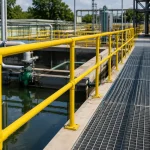
Water storage tanks are exposed to constant internal stresses caused by stored water, environmental conditions, and operational use. While external structures are often visible and monitored, internal surfaces experience gradual changes that can affect performance and longevity. Understanding tank internal protection methods helps explain how storage systems are designed to withstand long-term internal exposure.
This article provides an informational overview of the most common internal protection approaches used in water storage tanks and why they matter.
Why Internal Tank Protection is Necessary
Over time, internal tank surfaces are exposed to moisture, dissolved minerals, temperature fluctuations, and suspended solids. These factors can contribute to surface degradation, material fatigue, and contamination risks if left unaddressed.
Internal protection is not about short-term fixes. Instead, it focuses on maintaining stable internal conditions that support water quality, structural integrity, and long-term system reliability.
Common Causes of Internal Tank Degradation
Before exploring protection methods, it is important to understand what causes internal degradation in water tanks.
Typical contributing factors include:
- prolonged contact with water
- sediment accumulation on tank floors
- chemical interaction with internal surfaces
- temperature variation within stored water
- limited water movement and stagnation
These influences affect tanks differently depending on material type, usage patterns, and environmental conditions.
Overview of Tank Internal Protection Methods
Tank internal protection methods are designed to reduce the impact of internal stressors and slow the rate of material degradation. While specific approaches vary, they generally aim to create a barrier between stored water and the tank structure.
Common protection categories include:
- surface protection layers
- corrosion-resistant internal materials
- flexible internal barriers
- design features that reduce sediment accumulation
Each method addresses different internal risks rather than serving as a universal solution.
Effective internal water tank protection helps reduce surface degradation, limit material interaction with stored water, and support long-term system reliability.
Surface Protection and Barrier Systems
One widely used internal protection approach involves applying protective layers to internal tank surfaces. These layers help isolate structural materials from direct water contact and chemical interaction.
By stabilising internal surfaces, protection layers can:
- reduce corrosion potential
- limit surface wear
- improve resistance to chemical exposure
- support consistent internal conditions
Surface protection is particularly relevant for tanks exposed to variable water quality or long storage cycles.
Flexible Internal Protection Approaches
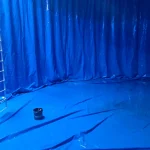
Some tank internal protection methods focus on flexibility rather than rigid surface coatings. Flexible internal barriers can accommodate movement caused by temperature changes, settlement, or water level variation.
These approaches are often used where rigid materials may crack or deteriorate over time. Flexibility helps maintain continuous internal protection even when structural movement occurs.
Role of Material Compatibility in Protection Methods
Material compatibility plays a critical role in internal tank protection. Protection methods must work in harmony with the base tank material to avoid unintended interactions.
Different tank materials respond differently to internal conditions. Concrete, steel, and composite tanks each present unique internal challenges. Selecting compatible protection methods helps ensure long-term performance without accelerating degradation.
Understanding tank internal protection methods includes recognising how materials interact rather than focusing on a single solution.

Design Considerations that Support Internal Protection
In addition to protection layers or barriers, internal tank design features can support protection efforts. Sloped floors, controlled inlet and outlet placement, and accessible internal layouts help reduce sediment buildup and stagnation.
Design considerations that improve internal conditions often complement other protection methods and contribute to overall system resilience.
Key Takeaways
- Tank internal protection methods address long-term internal exposure risks
- Internal degradation is influenced by water, sediment, and material interaction
- Protection approaches include surface barriers and flexible systems
- Material compatibility is essential for effective protection
- Internal design features support long-term protection outcomes
Understanding tank internal protection methods provides valuable insight into how water storage systems maintain performance and durability over extended service periods.