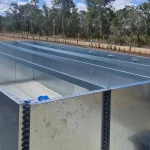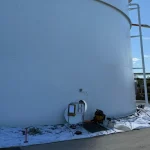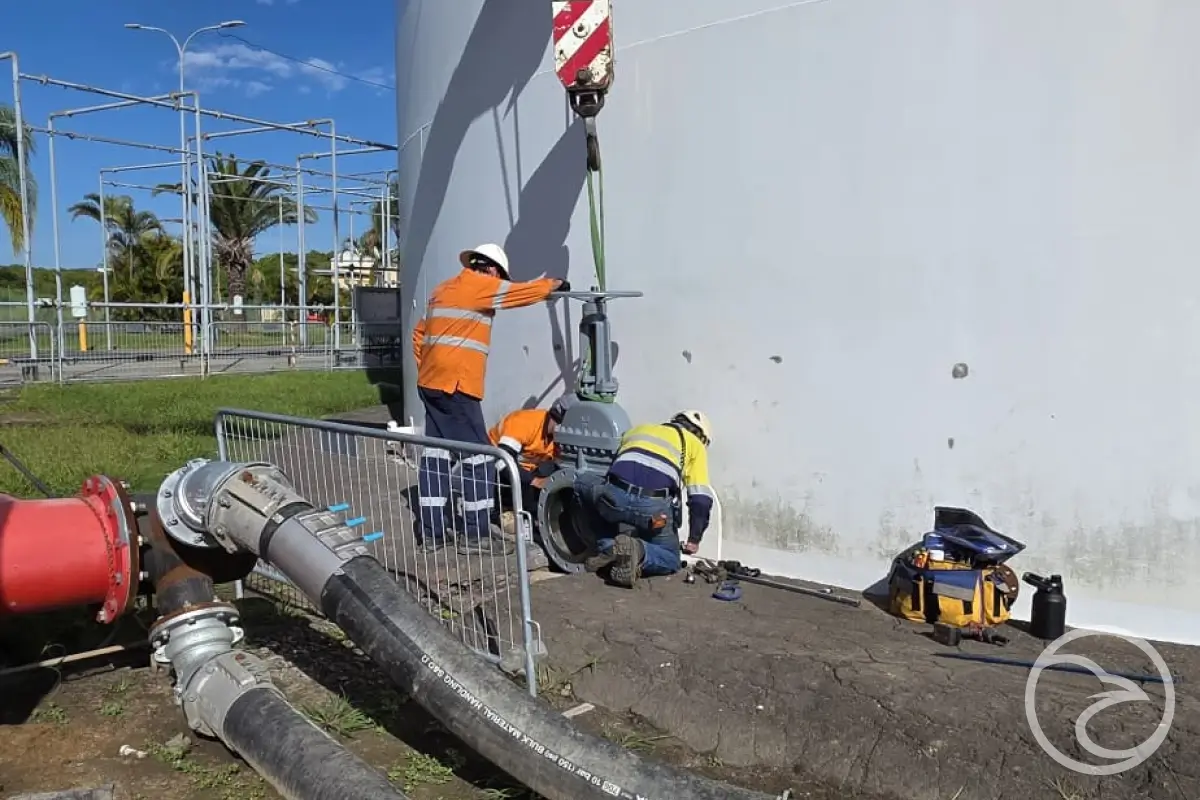
Confined spaces are among the most hazardous work environments across industrial, construction, and maintenance sectors. From tanks and silos to underground vaults and pipelines, these spaces present unique risks that require strict safety awareness and planning.
Understanding the most common confined space safety risks and hazards is essential for protecting workers and ensuring safe operations in high-risk environments.
What is a Confined Space?
A confined space is typically defined as an area that:
- Is not designed for continuous occupancy
- Has limited entry and exit points
- May contain hazardous conditions
Examples include:
- Storage tanks
- Underground tunnels
- Pipelines
- Sewers and pits
These environments can quickly become dangerous if proper precautions are not in place.
Why Confined Spaces are so Dangerous
Unlike open work environments, confined spaces can:
- Trap hazardous gases
- Limit oxygen supply
- Restrict movement and escape
- Amplify the impact of accidents
Even a minor issue can escalate rapidly, making early hazard identification critical.
1. Oxygen Deficiency
One of the most serious hazards in confined spaces is low oxygen levels.
Why it happens:
- Displacement by other gases
- Chemical reactions consuming oxygen
- Poor ventilation
Risks:
- Dizziness and confusion
- Loss of consciousness
- Fatal outcomes in severe cases
Safe management:
- Continuous atmospheric monitoring
- Proper ventilation systems
- Pre-entry safety checks
2. Toxic Gas Exposure
Confined spaces may contain harmful gases such as hydrogen sulfide, carbon monoxide, or chemical vapors.
Common sources:
- Decomposing organic material
- Industrial processes
- Residual chemicals
Risks:
- Respiratory damage
- Poisoning
- Long-term health effects
Safe management:
- Gas detection equipment
- Hazard identification before entry
- Use of appropriate protective gear
3. Fire and Explosion Hazards
Flammable gases or vapors can accumulate in confined spaces, creating a high risk of fire or explosion.
Causes:
- Gas leaks
- Chemical reactions
- Ignition sources such as sparks
Risks:
- Rapid fire spread
- Explosions in enclosed areas
- Severe injuries or fatalities
Safe management:
- Eliminating ignition sources
- Monitoring flammable gas levels
- Using intrinsically safe equipment
4. Engulfment Hazards
Engulfment occurs when a worker is surrounded or buried by materials such as liquids, sand, or grain.
Common environments:
- Storage silos
- Tanks with liquid contents
- Bulk material containers
Risks:
- Suffocation
- Entrapment
- Inability to escape
Safe management:
- Securing materials before entry
- Lockout and isolation procedures
- Continuous supervision
5. Restricted Movement and Access
Limited space can make it difficult to move, work, or exit quickly in an emergency.
Risks:
- Delayed evacuation
- Increased injury during incidents
- Difficulty for rescue teams
Safe management:
- Clear entry and exit planning
- Use of appropriate access equipment
- Ensuring unobstructed pathways
6. Poor Visibility and Lighting
Confined spaces often have low visibility, which increases the risk of accidents.
Risks:
- Trips and falls
- Equipment misuse
- Delayed hazard detection
Safe management:
- Adequate lighting systems
- Visual inspections before entry
- Maintaining clear work areas
7. Heat Stress and Environmental Conditions
High temperatures and humidity can create additional risks inside confined spaces.
Risks:
- Dehydration
- Heat exhaustion
- Reduced physical performance
Safe management:
- Monitoring environmental conditions
- Limiting exposure time
- Providing hydration and rest breaks
The Importance of Risk Assessment
Before entering any confined space, a thorough risk assessment is essential.
This helps identify:
- Potential hazards
- Required safety controls
- Emergency response procedures
Planning ahead reduces the likelihood of incidents and improves overall safety.
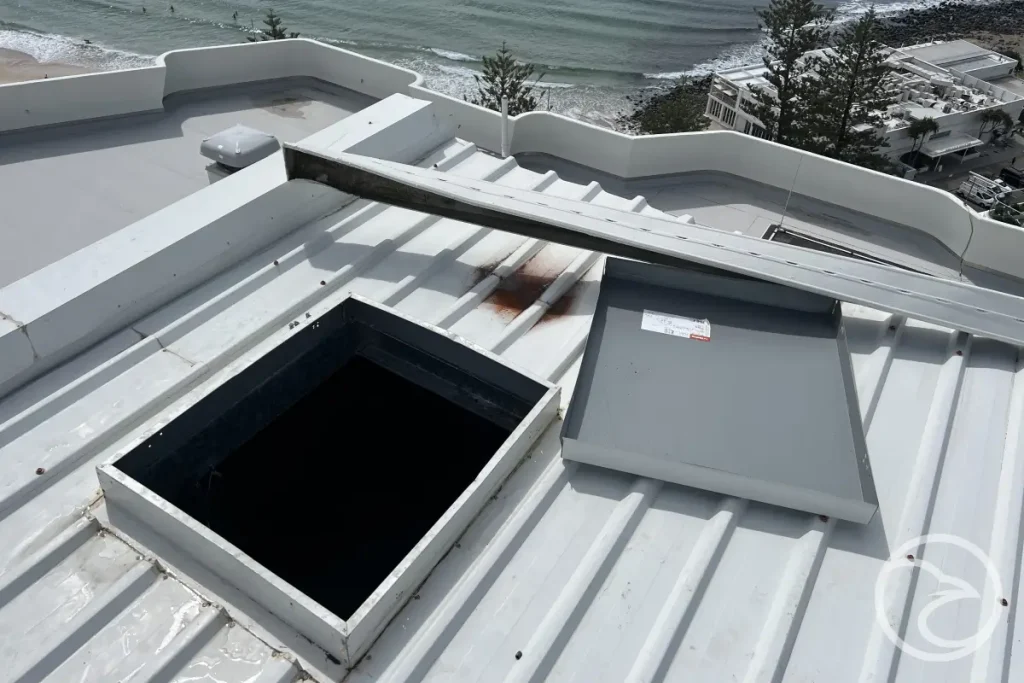
Why Rescue Planning is Critical
Even with strong safety measures, emergencies can still occur. In confined spaces, rescue situations are especially complex due to restricted access and hazardous conditions.
Without a proper rescue plan:
- Response times can be delayed
- Risks to workers increase significantly
- Secondary incidents may occur during rescue attempts
This is why having dedicated support such as confined space standby rescue services is a key part of a complete safety strategy.
Building a Safer Work Environment
Managing confined space risks requires a combination of:
- Proper training
- Hazard awareness
- Equipment and monitoring
- Clear procedures
Safety should always be the priority, especially in environments where conditions can change rapidly.
Final Thoughts
Confined spaces present a wide range of hazards, from oxygen deficiency and toxic gases to structural and environmental risks. Understanding these dangers is the first step toward preventing incidents and protecting workers.
By identifying risks early, implementing safety measures, and ensuring proper emergency planning, organizations can create safer working conditions and reduce the likelihood of serious accidents.