Industrial facilities require strong and durable structural materials. Many industries now use FRP systems because they offer long-term performance in demanding environments.
FRP structural profiles provide excellent corrosion resistance, lightweight construction, and reliable structural support. These features make them suitable for a wide range of industrial applications.
Understanding the benefits of frp structural profiles helps businesses choose efficient materials for modern industrial projects.
What are FRP Structural Profiles?
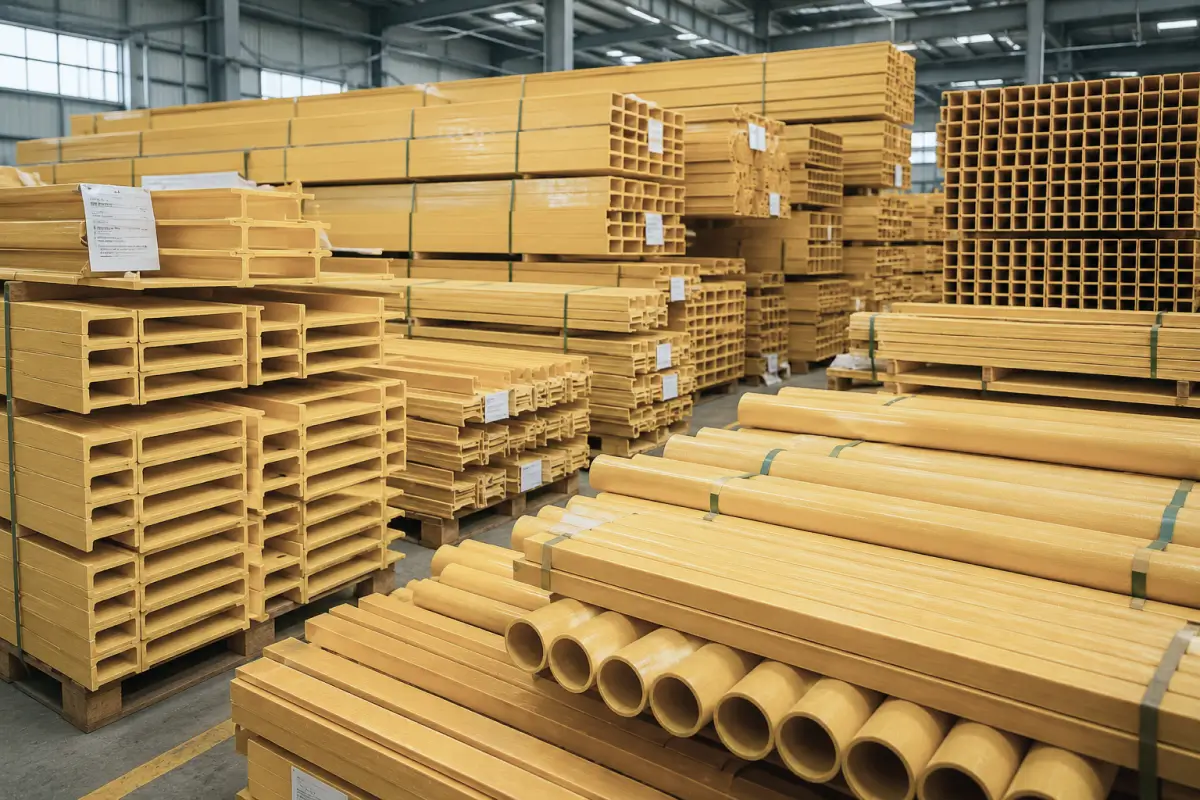
FRP stands for fiber reinforced polymer. FRP structural profiles combine reinforced fibers with durable resin systems.
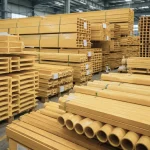
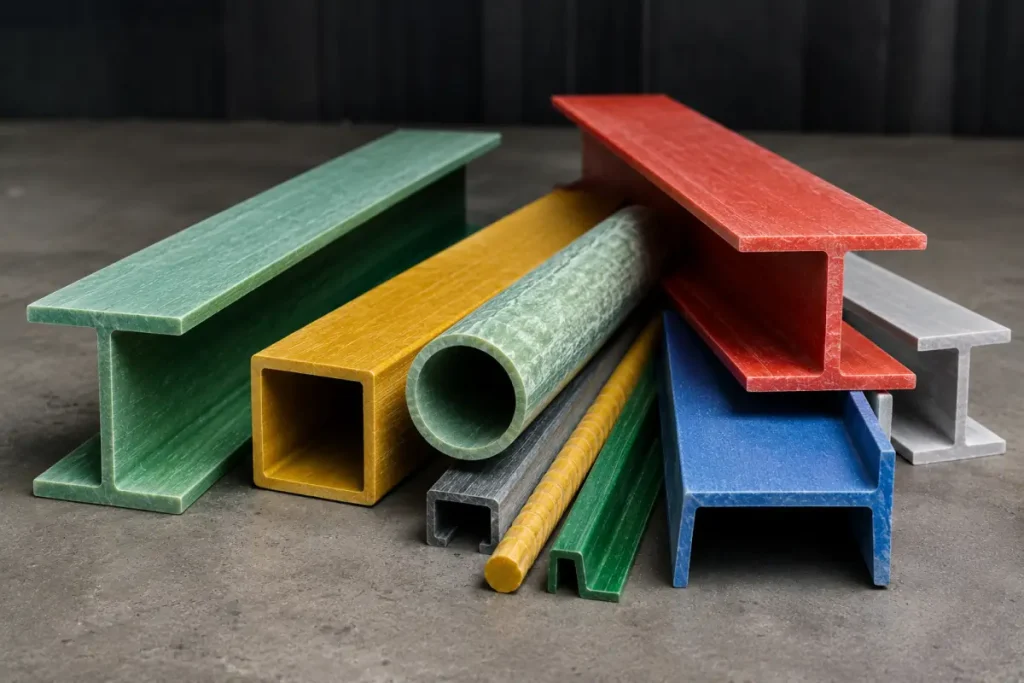
Manufacturers produce these profiles in many shapes, including:
- beams
- channels
- angles
- tubes
- grating supports
FRP systems provide structural strength while remaining significantly lighter than steel. Their design supports industrial applications where corrosion, moisture, or chemical exposure create long-term maintenance challenges.
Why Industries use FRP Structural Profiles
Industrial environments often expose materials to:
- chemicals
- moisture
- temperature fluctuations
- heavy operational conditions
Traditional materials may gradually corrode or deteriorate under these conditions.
FRP profiles help reduce these risks because they resist corrosion and require less maintenance over time
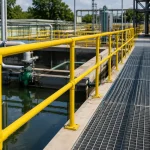
Many industrial facilities also integrate frp walkways with FRP structural systems to improve safe access throughout processing and maintenance areas.
Excellent Corrosion Resistance
Corrosion resistance is one of the biggest advantages of FRP systems. Unlike steel, FRP materials do not rust when exposed to moisture or chemicals.
This performance makes FRP structural profiles suitable for:
- wastewater facilities
- chemical plants
- marine environments
- industrial processing sites
Corrosion-resistant materials help reduce repair frequency and long-term maintenance costs. Facilities operating in harsh environments often prioritize FRP systems for this reason.
Lightweight Construction Benefits
FRP structural profiles are much lighter than traditional steel components.
Lightweight construction simplifies:
- transportation
- handling
- installation
- structural modifications
Reduced weight may also decrease labor requirements during installation projects. This advantage becomes especially important in elevated or difficult access areas.
Lighter structural systems can also reduce overall load pressure on supporting infrastructure.
High Strength-to-Weight Ratio
Although lightweight, FRP materials still provide excellent structural strength. FRP structural profiles maintain reliable load-bearing performance in many industrial applications.
Their high strength-to-weight ratio supports:
- platforms
- access structures
- support frames
- elevated systems
This combination of strength and reduced weight improves installation flexibility and operational efficiency.
Reduced Maintenance Requirements
Industrial facilities constantly seek ways to reduce maintenance costs and operational downtime. FRP materials require less maintenance than many traditional structural systems.
Unlike steel, FRP profiles do not typically require:
- repainting
- rust treatment
- corrosion repairs
- extensive protective coatings
Lower maintenance requirements improve long-term cost efficiency. Many industrial operators also review how FRP materials improve safety in industrial access systems to better understand how FRP components support durable low-maintenance infrastructure.
Electrical and Thermal Resistance
FRP materials offer natural electrical and thermal resistance. This feature improves safety in environments where electrical hazards may exist.
FRP structural profiles are commonly used near:
- electrical systems
- processing equipment
- industrial platforms
- elevated access areas
Thermal resistance also helps FRP systems maintain performance under changing environmental conditions.
Design Flexibility
FRP structural profiles support flexible design configurations. Manufacturers produce customized profiles for different industrial requirements.
Facilities can adapt FRP systems for:
- walkways
- stairs
- platforms
- handrail systems
- support structures
Flexible configurations improve project efficiency and installation planning. FRP materials can also integrate easily with existing infrastructure systems.
Improved Industrial Safety
Industrial safety remains a major priority for many facilities.
FRP systems often improve workplace safety because they provide:
- slip-resistant surfaces
- corrosion resistance
- structural stability
- electrical insulation
These features support safer industrial access and maintenance environments. Facilities using FRP systems frequently combine profiles with handrails and access structures for additional safety support.
Many operators also explore why FRP handrails are used in industrial environments to improve access protection and long-term workplace safety.
Long-Term Cost Efficiency
Although FRP systems may involve higher upfront costs in some projects, they often reduce long-term operational expenses.
Lower maintenance needs and improved corrosion resistance help decrease:
- repair costs
- replacement frequency
- downtime
- maintenance labor
Longer service life improves overall infrastructure value over time. Industrial businesses increasingly choose FRP systems because of these long-term financial advantages.
Common Applications for FRP Structural Profiles
FRP structural profiles are widely used across many industries.
Common applications include:
- industrial walkways
- wastewater facilities
- chemical processing plants
- offshore platforms
- manufacturing facilities
- water treatment systems
Their versatility supports both structural and access-related infrastructure projects.
Why FRP Systems Continue Growing in Popularity
Industrial facilities continue adopting FRP materials because they improve reliability and reduce maintenance concerns. As industries focus more on durability and operational efficiency, FRP structural systems provide practical long-term solutions.
Their ability to resist corrosion and simplify maintenance makes them valuable for demanding industrial conditions.
Final Thoughts
FRP structural profiles provide important advantages for industrial projects. Their corrosion resistance, lightweight construction, structural strength, and reduced maintenance requirements support long-term operational performance.
Industrial facilities also benefit from improved safety, design flexibility, and long-term cost efficiency. As industrial infrastructure continues evolving, the benefits of frp structural profiles make FRP systems an increasingly valuable solution for reliable structural support and access applications.