Modular tank systems rely on segmented construction to provide flexibility in capacity and layout. While this approach offers clear structural advantages, it also introduces specific challenges when internal liners are used. Liner compatibility for modular tanks is a critical design consideration, as the liner must function in harmony with a structure that is assembled from multiple interconnected components rather than a single continuous shell.
Understanding how liner materials interact with modular tank structures helps explain why compatibility plays such an important role in long-term system performance.
What Does Liner Compatibility Mean in Modular Tank Systems?
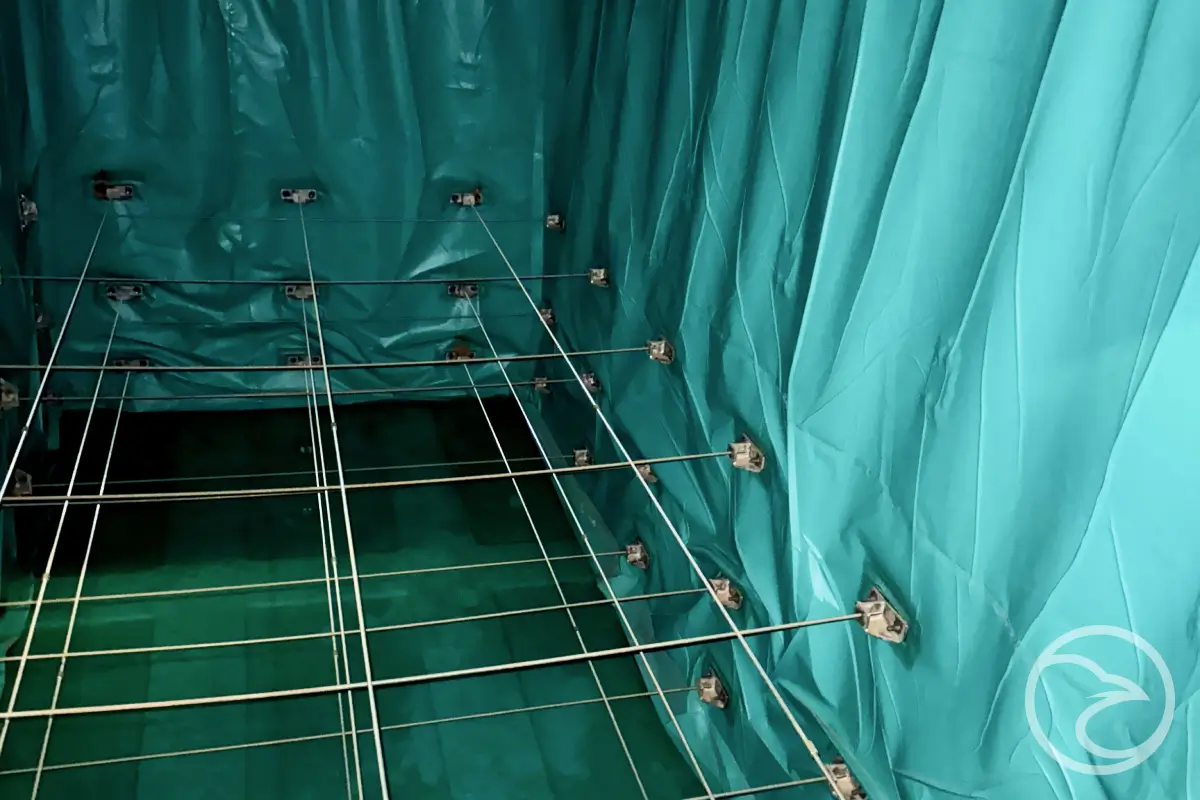
Liner compatibility refers to the ability of a liner to perform effectively within the physical and structural constraints of a modular tank. Unlike monolithic tanks, modular systems contain joints, seams, and interfaces between panels that influence how a liner behaves under load.
A compatible liner must accommodate these structural features without excessive stress, deformation, or loss of integrity. Compatibility is not defined by a single material property but by how the liner interacts with the tank’s geometry, movement, and connection points over time.
Key Structural Factors Affecting Liner Compatibility
Several structural characteristics of modular tanks directly influence liner compatibility.
- Panel joints and seams create discontinuities within the tank structure. Liners must bridge these areas without becoming overstressed or weakened.
- Movement and tolerances are inherent in modular systems. Minor shifts can occur due to temperature changes, loading conditions, or settlement. A liner must be able to absorb or accommodate this movement while maintaining a continuous barrier.
- Segmented construction results in varying stress distribution across the tank interior. Unlike uniform surfaces, segmented structures may apply localized forces to the liner at specific points.
- Internal geometry also plays a role. Corners, edges, and transitions between panels can affect how the liner conforms to the tank shape.
Material Properties that Influence Liner Performance
Liner compatibility for modular tanks is strongly influenced by material behavior. Flexibility is one of the most important properties, as rigid materials may struggle to accommodate movement or uneven surfaces.
Resistance to mechanical stress is equally important. Liners must tolerate repeated loading and unloading cycles without cracking or fatigue. Material interaction with the tank surface also affects performance, as surface characteristics can influence liner adhesion and stability.
Selecting materials that balance flexibility, strength, and durability helps improve liner compatibility within modular systems.
Common Compatibility Challenges in Modular Tank Designs
Modular tank designs can introduce several liner-related challenges. Stress concentration at joints is a common concern, particularly where panels meet. Uneven load distribution may also place additional strain on liner sections near structural transitions.
Interface issues can arise where the liner meets tank fittings or penetrations. If not properly accounted for in the design phase, these areas may become points of increased wear over time.
Recognizing these challenges early supports more informed design decisions and helps reduce long-term performance risks.
Design Considerations for Ensuring Proper Liner Integration
Effective liner integration begins with understanding the structural behavior of the modular tank. Allowances for movement should be incorporated into liner design to prevent excessive stress.
Surface conditions within the tank should also be considered, as consistent surfaces support more stable liner performance. Long-term performance thinking is essential, as liners must continue to function under changing operational conditions rather than only at initial installation.
Designing with compatibility in mind helps align liner behavior with the realities of modular tank construction.

Relationship Between Modular Tank Structures and Liner Systems
Liner compatibility for modular tanks is closely tied to modular tank structures, as the segmented nature of these systems defines the conditions under which liners operate. Panel-based configurations influence movement, stress points, and internal geometry, all of which affect liner performance.
Understanding this relationship clarifies why liner compatibility cannot be evaluated in isolation and must be considered alongside structural design principles.
Conclusion
Liner compatibility for modular tanks depends on a careful balance between material properties and structural characteristics. Panel joints, movement, and internal geometry all influence how liners perform within modular systems. By focusing on compatibility during the design phase, it is possible to support long-term liner performance and reduce the risk of structural stress or premature material degradation.