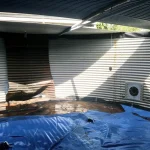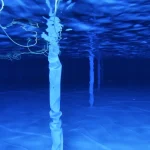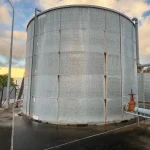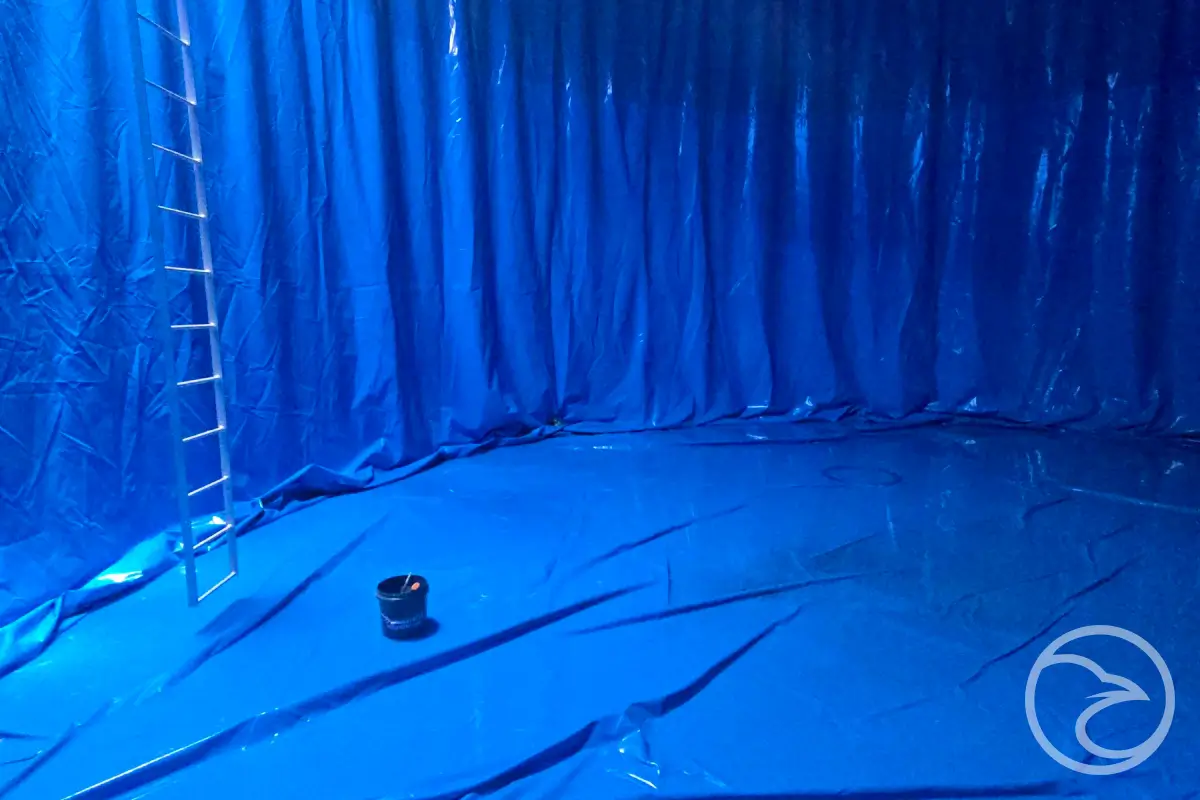
Panel tanks are widely used for commercial, industrial, and municipal water storage. Their modular design offers flexibility, durability, and long-term performance. However, the condition of the liner plays a major role in the overall reliability of the system. Tank liners create a protective barrier that helps prevent leaks, corrosion, and contamination.
Over time, various issues can affect liner performance. Understanding these problems can help facility owners take action before minor defects become costly repairs.
This article explores the most common problems that affect tank liners for panel tanks and explains how they can be managed.
Why Tank Liner Problems Occur
Even high-quality liners experience wear over time.
Several factors contribute to liner deterioration, including:
- Aging materials
- Water quality conditions
- Temperature fluctuations
- Mechanical stress
- Improper maintenance
- Installation-related issues
The severity of these factors often depends on how the tank is used and maintained. Regular inspections help identify concerns before they affect system performance.
1. Cracking and Surface Wear
Cracking is one of the most common liner problems. As materials age, they can lose flexibility. This makes them more vulnerable to stress and movement within the tank.
Surface wear may also develop due to regular operation and cleaning activities. Small cracks can eventually expand and compromise the protective barrier.
If left untreated, water may reach underlying tank components and increase the risk of damage.
2. Seam Separation
Many liners rely on seams to create a continuous protective surface. Over time, these seams may weaken due to mechanical stress, aging, or environmental conditions.
Warning signs can include:
- Visible gaps
- Loose edges
- Localized leaks
- Distorted liner sections
Seam separation should be addressed promptly. Early repairs are often simpler and less expensive than major restoration work. Routine inspections can help identify seam issues before they worsen.
3. Blistering and Delamination
Blistering occurs when moisture or air becomes trapped beneath the liner surface. These raised areas indicate that the liner is losing adhesion.
Delamination can develop as blistering spreads. In severe cases, larger sections of the liner may separate from the substrate. This reduces the liner’s ability to protect the tank structure.
Blistering often starts in small areas but can gradually expand if conditions remain unchanged.
4. Damage Caused by Water Quality Conditions
Water quality can significantly influence liner performance. Factors such as pH levels, mineral content, and chemical exposure may accelerate material degradation.
Some conditions can cause liners to become brittle over time. Others may increase surface wear or reduce material flexibility. Facility operators should regularly monitor water conditions and investigate unexpected changes.
Understanding how storage conditions affect tank systems can help prevent premature liner deterioration. Learn more in how internal conditions influence panel water storage performance.
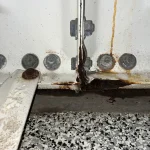
5. Corrosion Around Damaged Areas
Although liners help protect tank surfaces, damaged sections may expose underlying materials to moisture. This can create localized corrosion problems. Corrosion often develops gradually and may not be immediately visible.
Common indicators include:
- Rust staining
- Discoloration
- Surface degradation
- Material weakening
Addressing liner defects early helps reduce the risk of long-term structural damage.
6. Sediment and Debris Accumulation
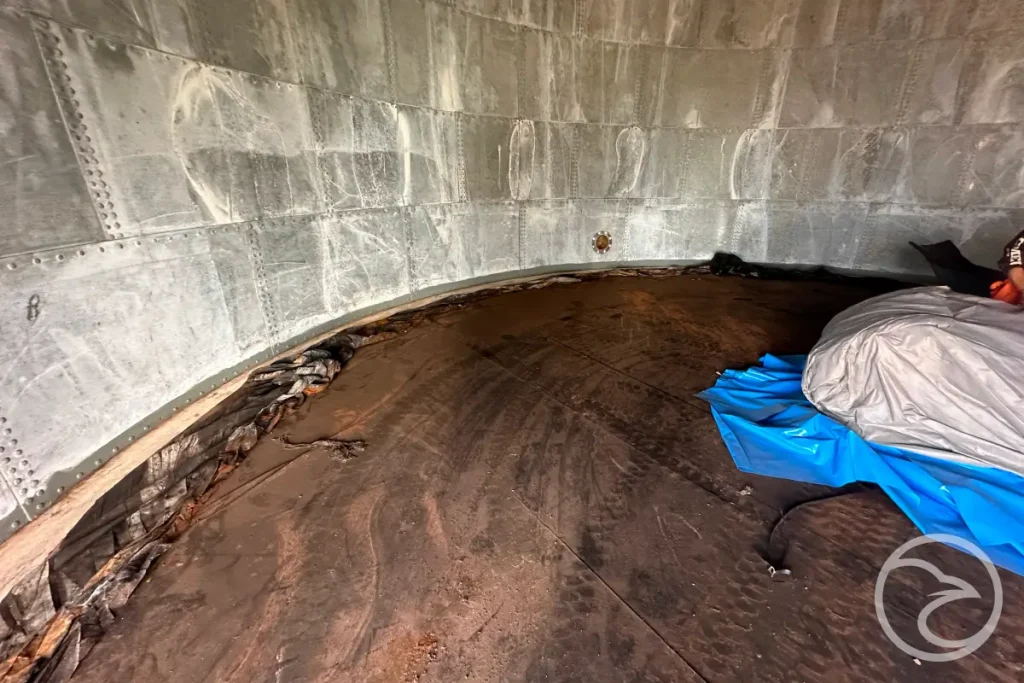
Sediment naturally accumulates in many water storage systems. Over time, deposits can collect along the tank floor and around liner surfaces.
Excessive buildup may:
- Increase cleaning requirements
- Reduce inspection visibility
- Trap moisture against surfaces
- Contribute to localized wear
Regular cleaning helps maintain liner condition and improves overall system performance. A planned maintenance schedule can significantly reduce sediment-related issues.
7. Damage from Improper Maintenance Practices
Maintenance activities are important, but incorrect procedures can create new problems.
Examples include:
- Using unsuitable cleaning equipment
- Applying excessive force during cleaning
- Delaying minor repairs
- Ignoring manufacturer recommendations
These practices may shorten liner lifespan and increase maintenance costs. Proper procedures help preserve liner integrity and improve long-term reliability.
How to Reduce the Risk of Liner Problems
While some wear is unavoidable, many problems can be minimized through proactive maintenance.
Recommended practices include:
- Conducting regular inspections
- Monitoring water quality
- Cleaning tanks on a routine basis
- Repairing minor defects promptly
- Maintaining detailed maintenance records
Material selection also plays an important role in long-term performance. Choosing appropriate liner materials can improve durability and resistance to challenging operating conditions. Learn more in best materials for corrosion-resistant containment liners.
A preventive maintenance approach is often the most effective strategy.
Conclusion
Tank liners are essential for protecting panel tank systems from leaks, corrosion, and contamination. Cracking, seam separation, blistering, water quality issues, corrosion, sediment buildup, and poor maintenance practices can all affect liner performance.
Recognizing these common problems early helps facility owners reduce repair costs and improve system reliability. With regular inspections and proper maintenance, tank liners for panel tanks can provide long-lasting protection and support the efficient operation of water storage systems.