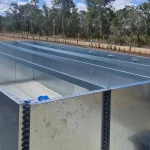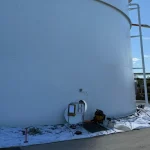
Proper maintenance is essential to ensure the long-term performance of any water storage system. GRP tanks are known for durability and low upkeep, but регулярний догляд все одно необхідний.
This guide explains GRP tank maintenance requirements, including key tasks, frequency, and best practices.
Why GRP Tank Maintenance Matters
GRP tanks are resistant to corrosion and environmental damage. However, neglecting maintenance can still lead to issues over time.
Regular maintenance helps:
- preserve water quality
- prevent structural problems
- extend service life
- reduce repair costs
For a full overview of advantages, see GRP water tank benefits.
How Often Should a GRP Tank be Maintained?
Maintenance frequency depends on usage and environment.
General guidelines:
- visual checks: every 3–6 months
- cleaning: every 6–12 months
- full inspection: annually
Using a structured GRP tank inspection checklist helps identify when maintenance is needed.
Key GRP Tank Maintenance Tasks
Maintaining a GRP tank involves several essential steps.
1. Regular Cleaning
Over time, sediment and contaminants can build up inside the tank.
Cleaning helps:
- remove debris
- prevent algae growth
- maintain water quality
Tanks should be drained and cleaned using approved methods to avoid damage.
2. Checking for Leaks
Leaks can develop at joints or connections.
During maintenance:
- inspect panel joints
- check seals and gaskets
- look for signs of water loss
Early detection prevents more serious issues.
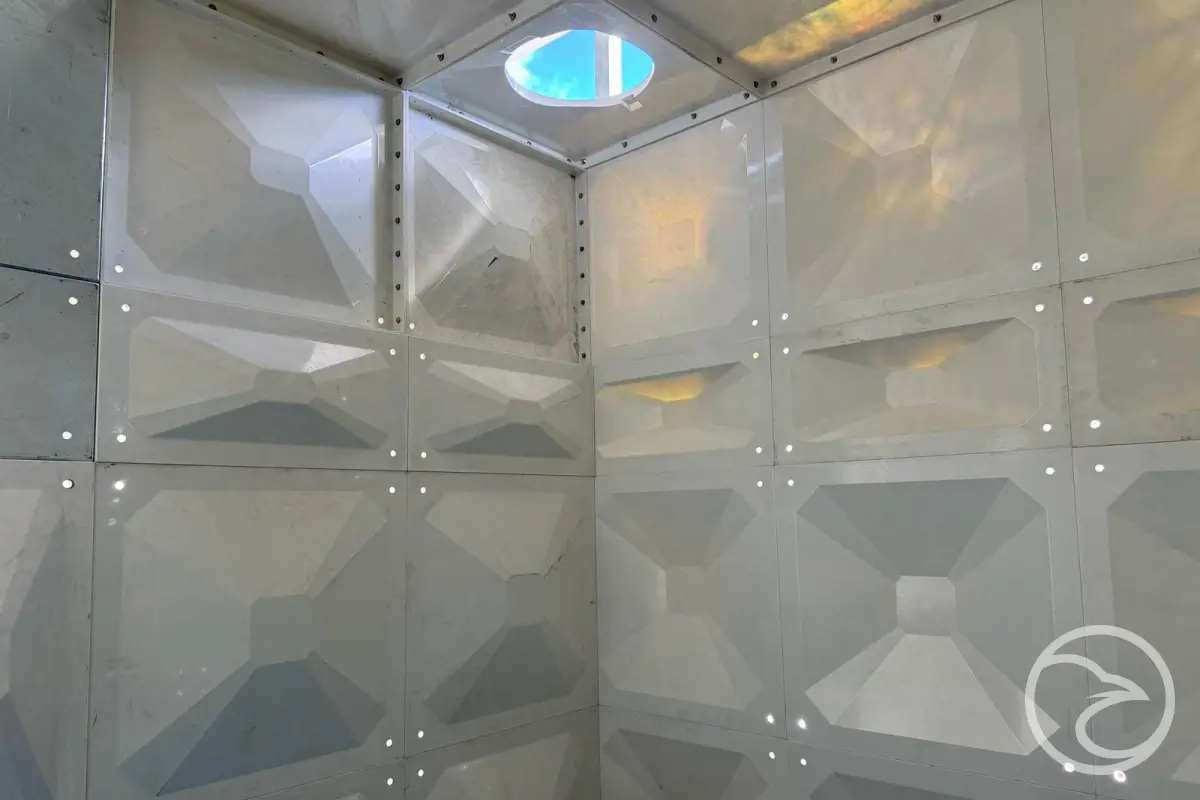
3. Inspecting Internal Surfaces
Internal GRP panels should remain smooth and intact.
Look for:
- cracks
- surface wear
- discoloration
Any damage should be addressed quickly to maintain performance.
4. Maintaining Seals and Joints
Seals play a critical role in preventing leaks and contamination.
Maintenance includes:
- tightening connections
- replacing worn gaskets
- ensuring watertight integrity
This is especially important in older systems.
5. Monitoring Water Quality
Water quality should be checked regularly, especially in potable systems.
Watch for:
- unusual smell or color
- sediment buildup
- bacterial growth
If issues appear, additional cleaning or treatment may be required.
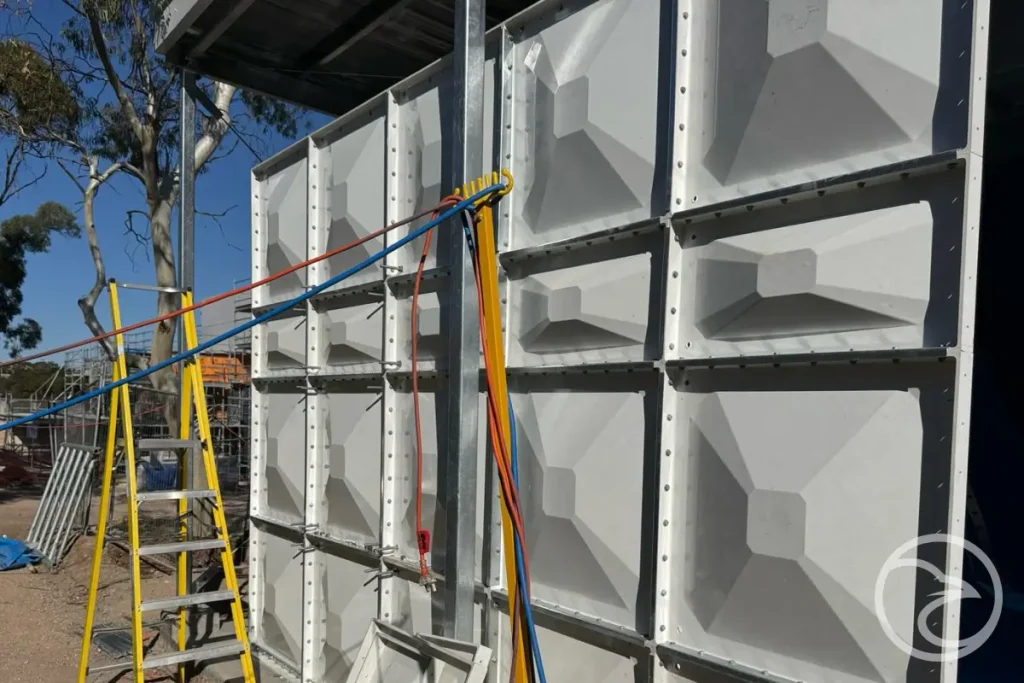
6. Checking Structural Stability
Structural integrity is essential for safety.
During maintenance:
- inspect for bulging panels
- check tank alignment
- review support structures
Any structural concern should be evaluated promptly.
Preventive Maintenance Best Practices
Preventive maintenance reduces the risk of unexpected failures.
Best practices include:
- keeping a maintenance schedule
- documenting inspections and repairs
- addressing minor issues early
Consistent care improves long-term reliability.
Common Maintenance Mistakes to Avoid
Even with durable materials, mistakes can reduce performance.
Avoid:
- skipping regular cleaning
- ignoring small leaks
- delaying repairs
- using improper cleaning methods
These issues can shorten the lifespan of the tank.
GRP vs Steel: Maintenance Comparison
Maintenance requirements differ between materials.
GRP tanks:
- require minimal upkeep
- do not need anti-corrosion treatment
- have lower long-term maintenance costs
Steel tanks:
- need regular coating
- are prone to rust
- often require more frequent repairs
For a detailed comparison, see GRP vs steel water tanks.
When to Repair or Replace Components
Not all issues require full replacement.
Repair may be enough when:
- damage is minor
- leaks are localized
- components can be replaced
Replacement may be needed if:
- structural integrity is compromised
- damage is widespread
- performance is significantly reduced
How Maintenance Extends Tank Lifespan
Regular maintenance plays a key role in maximizing lifespan.
It helps:
- prevent major failures
- maintain efficiency
- reduce long-term costs
GRP tanks are built for durability, but proper care ensures they perform at their best.
Final Thoughts
GRP water tanks offer long-term reliability with relatively low maintenance requirements. However, routine care is still essential to ensure performance and water safety.
By following a structured maintenance approach, you can extend the life of your system and avoid unnecessary costs.
If you are evaluating system options, reviewing available GRP panel water tanks configurations can help you better understand maintenance needs and design features.