Water storage systems play a critical role across commercial, industrial, and municipal environments. Choosing the right tank type affects durability, water quality, and long-term costs. Among modern solutions, GRP water tanks are widely used due to their performance and versatility.
This guide explains the key benefits of GRP panel tanks and why they are often preferred for reliable water storage.
What is a GRP Water Tank?
A GRP (Glass Reinforced Plastic) water tank is made from composite materials that combine fiberglass and resin. This structure creates a strong, lightweight, and corrosion-resistant solution.
Unlike traditional materials, GRP does not rust or degrade easily. This makes it suitable for long-term use in demanding environments.
1. High Corrosion Resistance
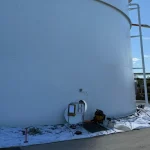
One of the main advantages of GRP tanks is their resistance to corrosion. Steel tanks can rust over time, especially in humid or coastal conditions. In contrast, GRP materials do not react with water or air in the same way.
This means:
- no rust formation
- lower risk of contamination
- reduced maintenance needs
For environments exposed to moisture or chemicals, this is a significant advantage.
2. Long Service Life
GRP water tanks are designed for durability. When properly installed and maintained, they can last for decades.
Their structure resists:
- environmental stress
- UV exposure
- temperature fluctuations
Compared to many alternatives, this leads to fewer replacements and lower lifecycle costs. For more insights into durability factors, see GRP tank maintenance requirements.
3. Lightweight but Structurally Strong
GRP combines strength with a relatively low weight.
This offers practical benefits:
- easier transportation
- simpler installation
- reduced structural load on buildings
Despite being lightweight, GRP panels can handle significant water pressure when assembled correctly.
4. Modular Design Flexibility
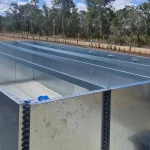
GRP panel tanks are built using modular sections. This allows them to be customized to fit specific requirements.
Key advantages include:
- flexible sizing options
- easy expansion in the future
- suitability for tight or complex spaces
This modular approach makes them ideal for projects with unique spatial constraints. You can explore how GRP systems compare to alternatives in GRP vs steel water tanks.
5. Hygienic and Safe for Water Storage
GRP tanks are commonly used for potable water applications. Their internal surfaces are designed to support hygiene standards.
Benefits include:
- smooth internal panels that limit bacterial growth
- non-toxic materials suitable for water storage
- compatibility with regulatory requirements
However, regular inspection remains important. A structured GRP tank inspection checklist helps ensure water safety over time.
6. Low Maintenance Requirements
Compared to metal or concrete tanks, GRP systems require less ongoing maintenance.
They do not need:
- regular anti-corrosion treatments
- repainting or protective coatings
Routine inspections and basic cleaning are usually sufficient to maintain performance. This reduces operational downtime and long-term costs.
7. Excellent Thermal Properties
GRP materials provide better insulation than many traditional tank materials.
This helps:
- maintain stable water temperatures
- reduce the risk of freezing in colder climates
- limit overheating in hot environments
For applications where temperature control matters, this can improve system efficiency.
8. Cost-Effective Over Time
While initial costs may vary depending on the project, GRP tanks are often more economical in the long run.
Cost benefits come from:
- long lifespan
- minimal maintenance
- reduced repair frequency
These factors make GRP a practical investment for long-term water storage.
9. Resistance to Environmental Factors
GRP tanks perform well under a range of environmental conditions.
They are resistant to:
- UV radiation
- humidity
- chemical exposure
This makes them suitable for both indoor and outdoor installations.
10. Easy Transportation and Assembly
Due to their panel-based design, GRP tanks are easier to transport than large pre-formed tanks. Panels can be delivered separately and assembled on-site. This is especially useful when access is limited.
It also reduces logistical challenges in urban or restricted locations.

When is a GRP Panel Tank the Right Choice?
GRP tanks are widely used in:
- commercial buildings
- industrial facilities
- fire protection systems
- municipal water storage
They are particularly effective when durability, hygiene, and flexibility are priorities. If you are considering different options, reviewing the main GRP panel tank solutions can help you understand available configurations and specifications.
Final Thoughts
GRP panel tanks offer a balanced combination of durability, flexibility, and efficiency. Their resistance to corrosion, long lifespan, and low maintenance needs make them a reliable choice for modern water storage systems.
While no single solution fits every project, GRP tanks continue to stand out as a practical option across many industries. Understanding their benefits is the first step toward making an informed decision.