Choosing the right material for a water storage tank is a critical decision. It affects durability, maintenance, water quality, and overall costs. Two of the most common options are GRP and steel water tanks.
This guide compares both materials to help you understand their differences and choose the right solution for your project.
What are GRP and Steel Water Tanks?
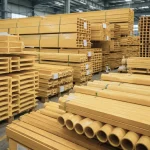
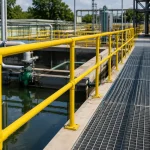
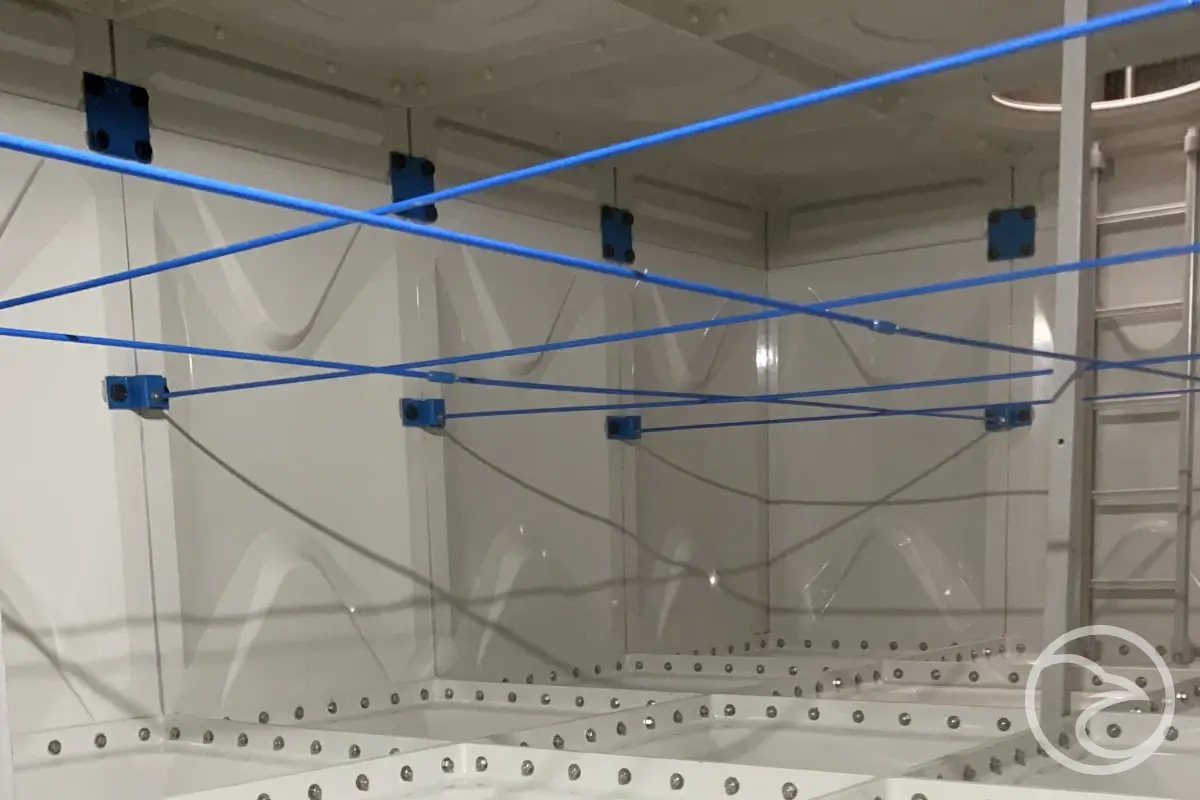
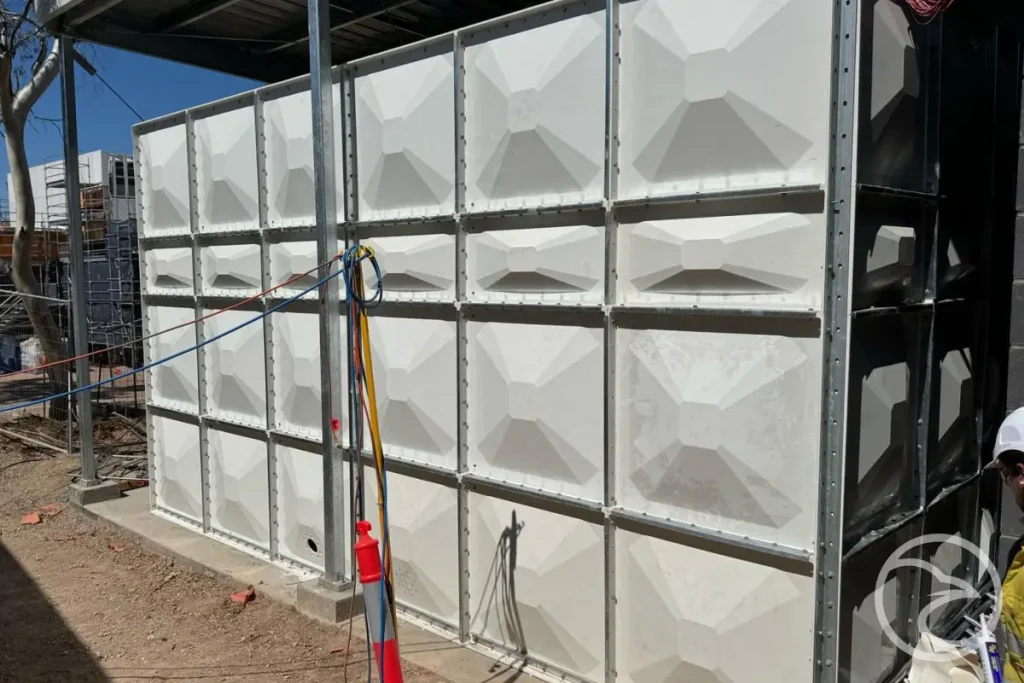
GRP (Glass Reinforced Plastic) tanks are made from fiberglass and resin. They are lightweight, corrosion-resistant, and modular.
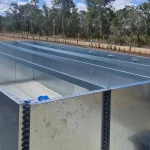
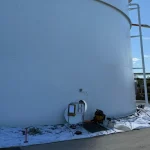
Steel tanks are typically made from galvanized or stainless steel. They are known for strength and widespread use in traditional systems.
Both options are widely used, but their performance varies depending on the environment and application.
1. Corrosion Resistance
Corrosion is one of the biggest challenges in water storage systems.
GRP tanks:
- do not rust
- resist chemical exposure
- perform well in humid conditions
Steel tanks:
- are prone to rust over time
- require protective coatings
- may degrade faster in harsh environments
This makes GRP a strong option where moisture or chemicals are present.
2. Durability and Lifespan
Both materials are durable, but they age differently.
GRP tanks:
- maintain structural integrity over time
- resist environmental stress
- have a long service life with minimal degradation
Steel tanks:
- are strong initially
- may weaken due to corrosion
- often require repairs or recoating
For a deeper look at durability factors, see GRP water tank benefits.
3. Weight and Installation
Installation complexity can impact both cost and project timelines.
GRP tanks:
- are lightweight
- easier to transport
- assembled on-site using panels
Steel tanks:
- are heavier
- may require heavy lifting equipment
- can be more difficult to install in restricted spaces
GRP systems are often more practical in locations with limited access.
4. Maintenance Requirements
Maintenance plays a major role in long-term costs.
GRP tanks:
- require minimal maintenance
- do not need anti-corrosion treatment
- only need periodic inspection and cleaning
Steel tanks:
- need regular inspections for rust
- require repainting or coating
- may involve higher maintenance costs
Using a structured GRP tank inspection checklist helps maintain system performance over time.
5. Hygiene and Water Quality
Water quality is essential, especially for potable water systems.
GRP tanks:
- have smooth internal surfaces
- reduce bacterial growth risk
- are suitable for drinking water applications
Steel tanks:
- may develop rust contamination
- require coatings to maintain hygiene
- can degrade internally over time
This makes GRP a reliable option for clean water storage.
6. Design Flexibility
Flexibility is important for projects with specific requirements.
GRP tanks:
- modular design
- customizable size and shape
- easy to expand in the future
Steel tanks:
- often come in fixed sizes
- less flexible for customization
- expansion can be more complex
For projects requiring adaptability, GRP has a clear advantage.
7. Cost Considerations
Initial cost is only one part of the equation.
GRP tanks:
- may have moderate upfront cost
- offer lower long-term expenses
- reduce maintenance and repair needs
Steel tanks:
- can be cheaper initially
- may incur higher maintenance costs
- require more frequent repairs
Over time, GRP systems are often more cost-effective.
8. Environmental Resistance
External conditions can significantly impact tank performance.
GRP tanks:
- resist UV exposure
- perform well in extreme temperatures
- are stable in humid environments
Steel tanks:
- can degrade under UV and moisture
- may require protective layers
- are more sensitive to environmental stress
This makes GRP suitable for both indoor and outdoor installations.
When Should You Choose GRP or Steel?
GRP tanks are ideal when:
- corrosion resistance is important
- low maintenance is a priority
- flexible design is required
Steel tanks may be suitable when:
- initial budget is limited
- traditional systems are preferred
- environmental exposure is minimal
For modern projects, GRP is increasingly chosen due to its long-term advantages. To explore available configurations, you can review GRP panel tank solutions in more detail.
Final Thoughts
Both GRP and steel water tanks have their place in water storage systems. However, their performance differs significantly depending on conditions and long-term requirements.
GRP tanks offer clear benefits in corrosion resistance, maintenance, and flexibility. Steel tanks remain a viable option in certain situations but may require more upkeep over time.
Understanding these differences helps ensure the right choice for your specific project.