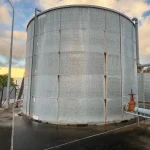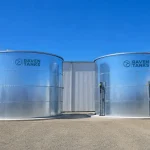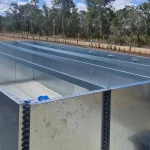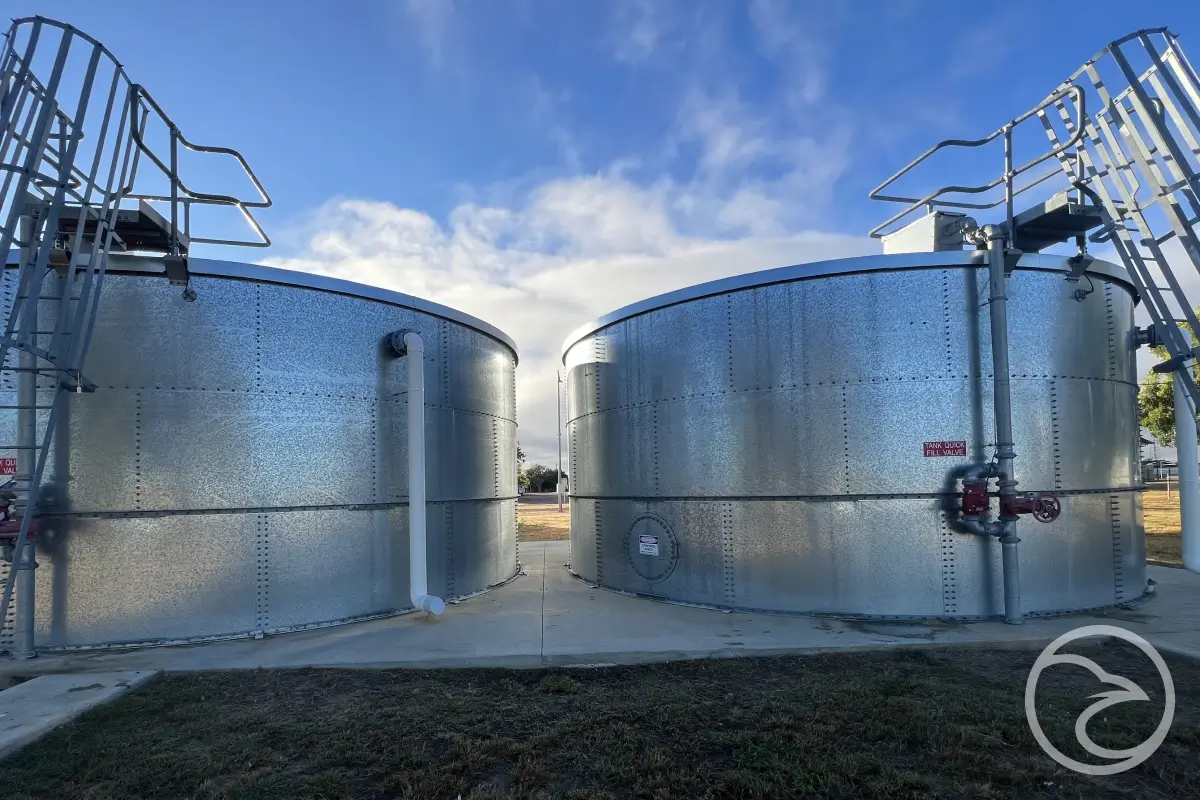
Bolted panel tanks are widely used in modern water storage systems due to their flexibility and modular design. These tanks are assembled from individual panels that are connected using bolts, allowing for efficient installation and scalability.
This guide explains how bolted panel tanks work, their key features, and where they are most commonly used.
What is a Bolted Panel Tank?
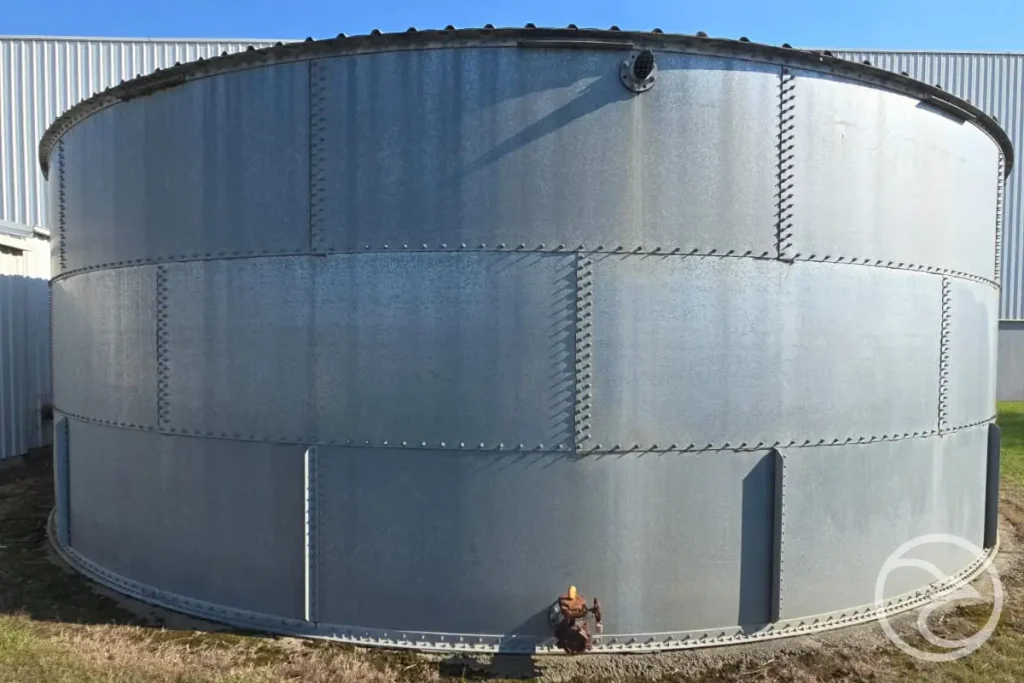
A bolted panel tank is a type of water storage system made from prefabricated panels. These panels are transported to the site and assembled using bolts and seals. This construction method allows tanks to be built in a wide range of sizes and configurations.
Bolted systems are commonly used across:
- industrial facilities
- commercial buildings
- municipal infrastructure
- water treatment systems
For a broader overview, see engineered panel water tanks and how different systems are structured.
How do Bolted Panel Tanks Work?
Bolted panel tanks rely on a modular assembly process.
Each tank consists of:
- individual panels (steel, GRP, or other materials)
- bolts and fasteners
- sealing materials to prevent leaks
Panels are connected together to form the walls and base of the tank. Once assembled, the structure is capable of holding large volumes of water safely.
1. Modular Construction System
The modular design is one of the main advantages of bolted panel tanks.
It allows:
- flexible tank sizing
- easy transport of components
- on-site assembly in restricted spaces
This makes them suitable for projects where traditional tank installation is difficult.
2. Material Flexibility
Bolted panel tanks can be made from different materials depending on project needs.
Common options include:
- galvanized steel
- stainless steel
- GRP (fiberglass)
Each material offers different benefits in terms of durability, maintenance, and performance. For example, HDG panel tanks benefits highlight how galvanization improves corrosion resistance.
3. Ease of Transportation
Unlike pre-assembled tanks, bolted systems are delivered in separate panels.
This simplifies logistics:
- easier transport to remote locations
- reduced shipping costs
- better handling in tight spaces
This is especially useful for urban or complex project sites.
4. On-Site Assembly
Bolted panel tanks are assembled directly at the installation site.
This provides:
- flexibility in construction
- ability to build in confined areas
- reduced need for heavy lifting equipment
The assembly process is structured and follows standardized methods.
5. Scalability and Expansion
One of the key advantages of bolted systems is scalability.
Tanks can be:
- expanded by adding more panels
- modified to increase capacity
- adapted to changing requirements
This makes them suitable for growing operations.
6. Maintenance and Repairs
Bolted panel tanks are easier to maintain compared to some traditional systems.
Maintenance includes:
- checking bolts and seals
- inspecting panels for damage
- replacing individual components if needed
Because the tank is modular, repairs can often be localized. For more details, see panel tank maintenance guide.
7. Structural Performance
Despite being assembled from panels, bolted tanks provide strong structural performance.
They are designed to:
- withstand internal water pressure
- maintain stability over time
- perform in various environmental conditions
Proper assembly is essential to ensure long-term reliability.
Where are Bolted Panel Tanks Used?
Bolted panel tanks are used in a wide range of applications.
These include:
- industrial water storage
- commercial systems
- fire protection infrastructure
- municipal water supply
Their adaptability makes them suitable for both small and large projects.
Advantages of Bolted Panel Tanks
Key benefits include:
- modular design
- flexible sizing
- ease of transport
- simplified maintenance
These features make them one of the most practical solutions in modern water storage.
Limitations to Consider
While bolted tanks offer many advantages, there are also some considerations.
These include:
- reliance on proper assembly
- need for regular inspection of joints
- potential for leaks if seals degrade
Using a structured approach, such as a panel tank lifespan evaluation, helps ensure long-term performance.
Bolted vs Other Tank Types
Bolted panel tanks differ from welded or monolithic tanks.
They offer:
- greater flexibility
- easier transport
- simpler expansion
However, other systems may be preferred in specific conditions depending on project requirements.
Final Thoughts
Bolted panel tanks are a versatile and efficient solution for water storage. Their modular design, flexibility, and ease of maintenance make them suitable for a wide range of applications.
Understanding how these systems work helps in selecting the right tank for specific project needs.