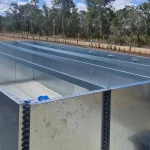
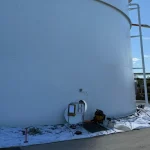
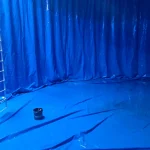
Panel water storage systems are often evaluated based on their visible structure and construction materials. Panels, joints, and external finishes typically attract the most attention when performance is discussed. However, long-term performance is rarely defined by materials alone.
In practice, panel water storage behaviour is shaped just as strongly by internal conditions. These less visible factors influence how storage systems age, respond to environmental stress, and maintain stability over time.
Materials Define Structure, not System Behaviour
Construction materials establish the structural baseline of panel water storage systems. They determine strength, load capacity, and resistance to external exposure. While this foundation is important, it does not fully explain why systems with similar designs often perform differently.
Once a system is in operation, internal conditions begin to play a dominant role. These conditions evolve continuously and can affect performance long before any external change becomes noticeable.
What Internal Conditions Mean in Panel Water Storage
Internal conditions refer to the environment created inside the storage system during normal use. This includes moisture levels, temperature variation, airflow, water chemistry, and sediment movement.
Unlike external exposure, which may fluctuate, internal conditions are persistent. Even minor imbalances can compound gradually, influencing internal stability and long-term system behaviour.
Moisture and Condensation Inside Storage Systems
Condensation is one of the most influential internal factors affecting panel water storage performance. Differences between stored water temperature and ambient air frequently result in moisture forming on internal surfaces.
Over time, repeated condensation cycles can:
- Increase internal humidity
- Reduce drying periods
- Alter surface interaction
- Affect joint and interface behaviour
Because these processes occur slowly and without immediate symptoms, their impact is often underestimated.
Temperature Fluctuations and Internal Stress Patterns
Large water storage systems experience constant thermal movement. While external surfaces respond to ambient temperature changes, internal temperatures may shift at different rates.
This creates subtle internal stress patterns. Repeated expansion and contraction can influence how internal components interact over time, especially in modular systems where multiple connections are involved. These changes may not produce visible defects but can still affect overall performance consistency.
Water Chemistry and Internal Interaction
The characteristics of stored water significantly influence internal behaviour. Mineral content, pH balance, dissolved oxygen, and suspended particles all interact with internal surfaces throughout the system’s lifespan.
These interactions may lead to:
- Gradual surface modification
- Residue accumulation
- Changes in internal flow behaviour
- Variations in internal cleanliness
Because water quality differs by location and application, it helps explain why panel water storage systems with similar designs can perform differently in practice.
Sediment Movement and Internal Balance
Sediment naturally settles over time, particularly in areas with limited circulation. As sediment accumulates, it can alter internal flow patterns and create uneven contact between water and internal surfaces.
This gradual shift affects internal balance and may influence performance long before any operational issue becomes apparent externally.

Why Performance Varies Between Similar Storage Systems
It is often assumed that panel water storage systems built to the same specifications will perform in the same way. In reality, internal conditions introduce variability that materials alone cannot predict.
Differences in usage patterns, environmental exposure, water turnover rates, and internal airflow all contribute to performance divergence. Internal stability becomes the defining factor rather than construction materials alone.
Long-Term Performance Depends on Internal Stability
Panel water storage performance is ultimately shaped by how internal conditions evolve over time. Materials establish durability potential, but internal environments determine how that potential is realised.
Understanding the role of internal conditions provides a clearer explanation for long-term performance trends and helps shift attention from purely external indicators to the internal behaviour that truly defines system reliability.