Confined spaces present some of the most challenging workplace safety risks across industrial, construction, utility, and manufacturing environments. To reduce those risks, organizations often implement confined space entry procedures alongside standby rescue support.
While these terms are frequently used together, they do not mean the same thing. Confined space entry refers to the work being performed inside a confined space, while standby rescue focuses on emergency preparedness and worker protection.
Understanding the difference between the two is essential for maintaining compliance and improving workplace safety.
What is Confined Space Entry?
Confined space entry occurs when workers enter an area that is large enough to perform work but has limited means of entry or exit and is not intended for continuous occupancy.
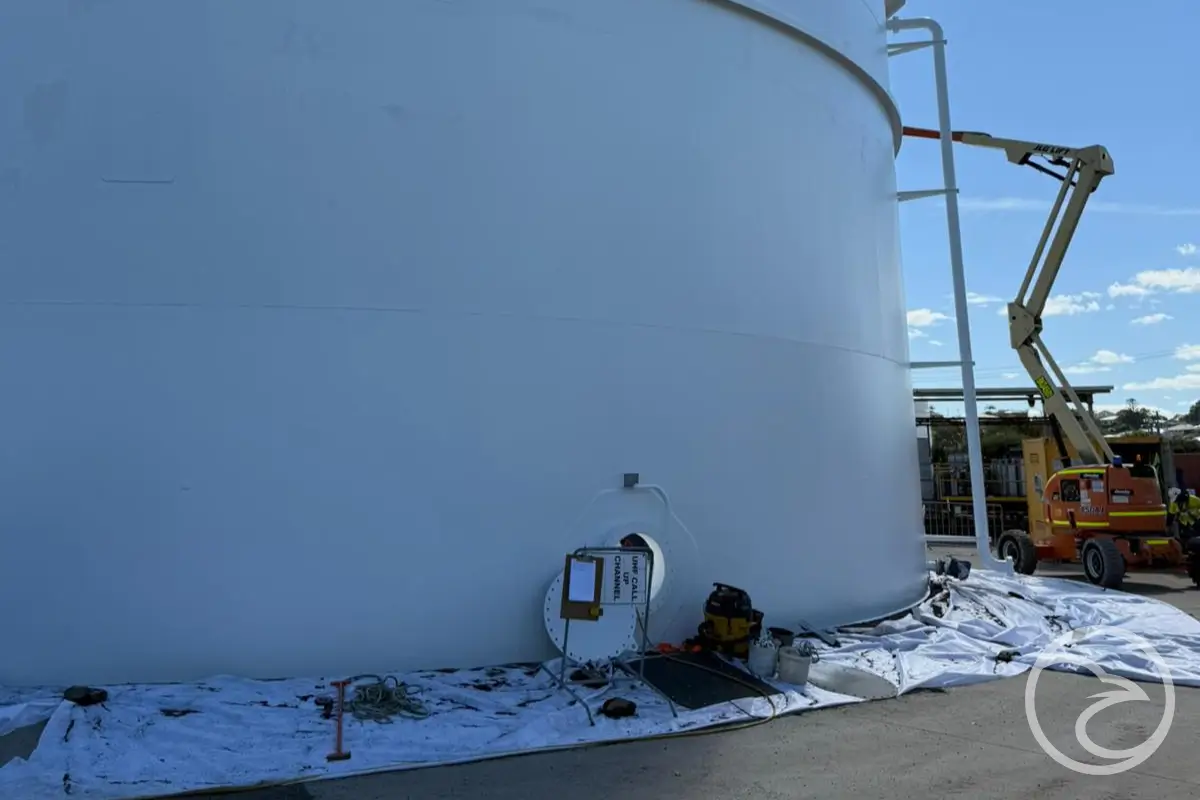
Examples of confined spaces include:
- Storage tanks
- Silos
- Utility vaults
- Pipelines
- Sewers
- Manholes
- Process vessels
Many confined spaces contain hazards that can create serious risks for workers.
These hazards may include:
- Oxygen deficiency
- Toxic gases
- Flammable atmospheres
- Engulfment hazards
- Mechanical equipment
- Restricted movement
Before entry takes place, employers are typically required to evaluate hazards and implement appropriate safety procedures.
What is Standby Rescue?
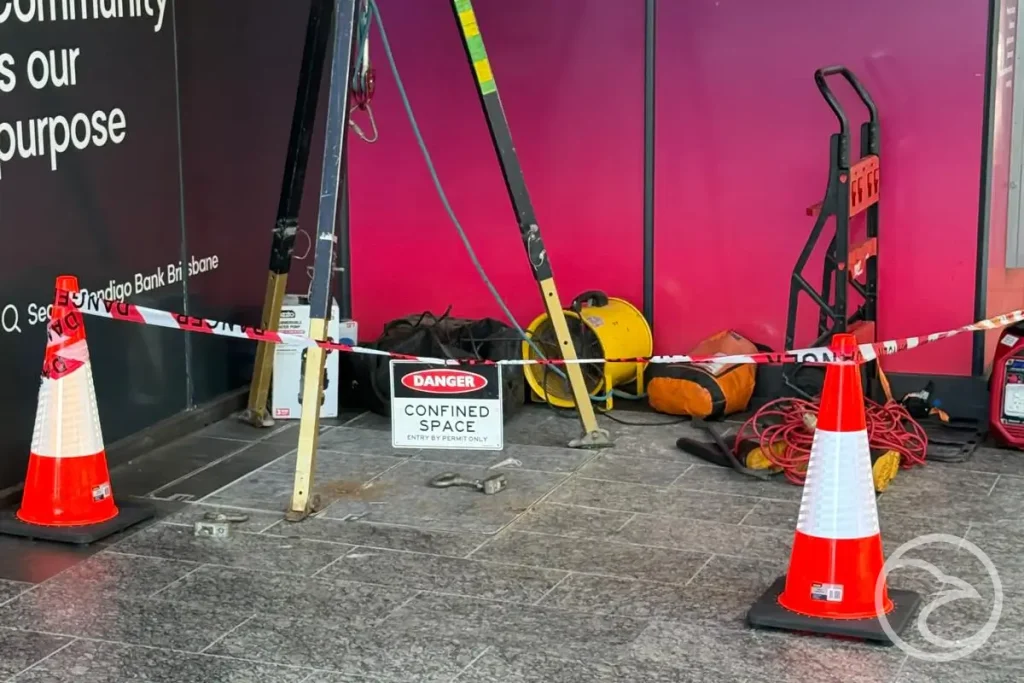
Standby rescue refers to the personnel, equipment, and emergency response capabilities that remain available during confined space operations. The purpose of standby rescue is not to perform the work inside the space. Instead, the rescue team is prepared to respond if an emergency occurs.
Many organizations use dedicated confined space standby rescue services to provide trained personnel and rescue equipment during high-risk operations.
Standby rescue teams may be responsible for:
- Monitoring entry activities
- Maintaining communication with entrants
- Maintaining communication with entrants
- Assessing changing site conditions
- Preparing rescue equipment
- Coordinating emergency response
- Performing rescue operations when necessary
Their presence helps ensure a rapid response if conditions deteriorate or a worker becomes incapacitated.
Why Confined Space Entry and Standby Rescue are not the Same Thing
Although confined space entry and standby rescue work together, they serve different functions. The entry team focuses on completing the assigned task inside the confined space. The rescue team focuses on protecting workers and responding to emergencies.
The distinction becomes clearer when comparing their primary responsibilities.
| Confined Space Entry | Standby Rescue |
|---|---|
| Involves performing work inside a confined space | Provides emergency response support |
| Conducted by authorized entrants | Conducted by trained rescue personnel |
| Focuses on operational objectives | Focuses on worker safety |
| Requires entry permits and hazard controls | Requires rescue planning and preparedness |
| Includes inspections, repairs, cleaning, or maintenance | Includes rescue readiness and emergency response |
Both functions are important, but neither replaces the other.
OSHA Requirements for Rescue Planning
Under OSHA regulations, employers must evaluate confined space hazards and establish procedures for emergency response when permit-required confined spaces are involved. Rescue planning is a critical part of confined space safety.
An effective rescue plan should address:
- Site-specific hazards
- Rescue methods
- Communication procedures
- Equipment requirements
- Personnel responsibilities
- Emergency medical response
Employers should ensure that rescue capabilities are available before workers enter hazardous confined spaces. Waiting until an emergency occurs is not an acceptable strategy.
When is Standby Rescue Required?
Not every confined space operation requires the same level of rescue support. The need for standby rescue depends on several factors, including the hazards present and the complexity of the work being performed.
Standby rescue is often used when operations involve:
- Hazardous atmospheres
- Potential engulfment risks
- Deep vertical entries
- Complex industrial facilities
- Shutdown and turnaround projects
- High-risk maintenance activities
In these situations, having trained rescue personnel on-site can significantly improve emergency response capabilities. Organizations should evaluate each confined space individually rather than applying a one-size-fits-all approach.
Common Hazards During Confined Space Entry
Confined spaces can contain multiple hazards that may develop quickly and without warning.
Some of the most common hazards include:
Hazardous Atmospheres
Dangerous gases, vapors, or oxygen-deficient conditions can threaten worker safety. Atmospheric monitoring is often one of the most important safety controls during entry operations.
Engulfment Risks
Workers may become trapped or buried by materials such as liquids, grain, sand, or sludge. These incidents can develop rapidly and may require immediate rescue intervention.
Mechanical and Electrical Hazards
Moving equipment and energized systems can create serious injury risks. Proper isolation and lockout procedures help reduce these dangers.
Restricted Access
Narrow openings and limited escape routes can complicate emergency evacuations. This is one reason why rescue planning is so important.
For a closer look at these risks, see our article on top confined space hazards.
Why Dedicated Standby Support Improves Safety
Confined space emergencies are often time-sensitive. A worker experiencing oxygen deficiency or exposure to toxic gases may require immediate assistance.
Dedicated standby rescue personnel improve safety by:
- Providing continuous monitoring
- Maintaining rescue readiness
- Reducing emergency response times
- Supporting regulatory compliance
- Enhancing overall risk management
Many incidents become more severe when rescue efforts are delayed. Having qualified rescue personnel already on-site can help improve outcomes during emergencies.
Dedicated standby support also allows entry teams to focus on their assigned work while rescue professionals concentrate on emergency preparedness.
Building an Effective Confined Space Safety Program
A strong confined space safety program includes more than entry permits and hazard assessments.
Successful programs typically incorporate:
- Hazard identification
- Atmospheric monitoring
- Worker training
- Rescue planning
- Equipment inspections
- Emergency response procedures
Each element contributes to reducing risk and improving worker protection. Organizations should review and update their procedures regularly to ensure they remain effective as site conditions and operational requirements change.
Conclusion
When comparing confined space entry vs standby rescue, it is important to understand that both play essential roles in worker safety. Entry teams perform the work, while rescue teams provide emergency preparedness and response support.
By combining effective entry procedures with qualified standby rescue personnel, organizations can better manage confined space hazards and maintain safer operations.