Sectional water tanks are a widely used solution in modern water storage systems. Their modular structure allows for flexible design, making them suitable for a variety of applications.
These tanks are commonly installed in locations where space, access, or scalability are important factors. This guide explains what sectional water tanks are, how they are designed, and where they are most commonly used.
What are Sectional Water Tanks?
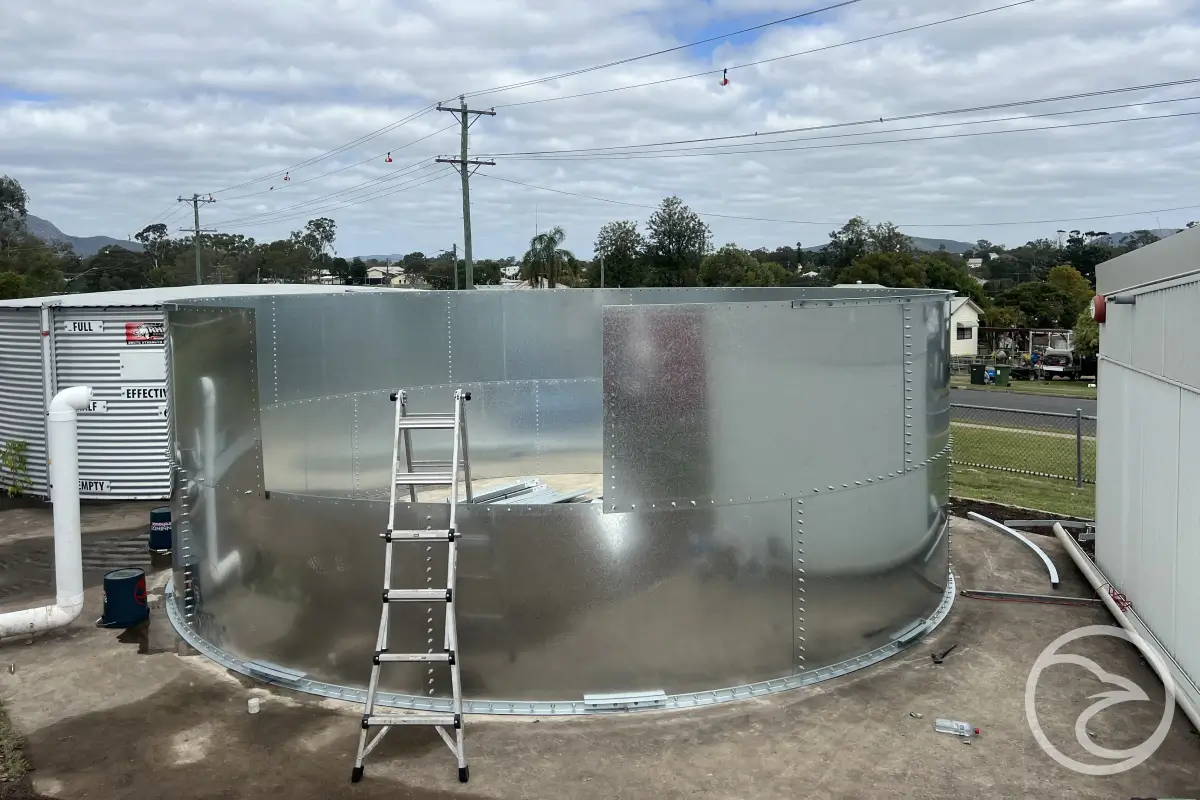
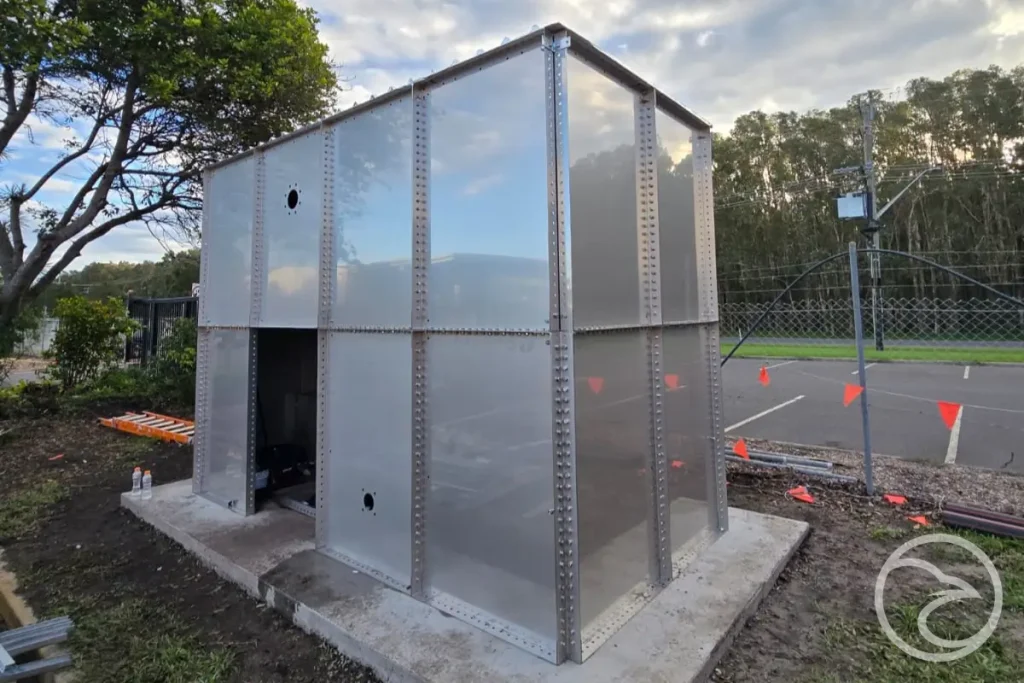
Sectional water tanks are built from individual panels that are assembled to form a complete storage unit. These panels are joined together to create the tank walls, base, and roof.
Unlike single-piece tanks, sectional systems are constructed on-site. This makes them practical for projects where transportation or installation space is limited.
For a broader overview of system types, see panel water storage tanks and how they are used across different industries.
Key Design Features of Sectional Tanks
The design of sectional tanks focuses on flexibility and structural efficiency.
They typically include:
- modular panels
- internal support structures
- sealed joints to prevent leaks
Each component works together to ensure stability and water containment. For a deeper look at structural elements, see panel tank design features.
How Sectional Tanks are Structured
Sectional tanks are designed as a combination of interconnected panels.
The structure includes:
- side panels forming the walls
- base panels supporting the load
- roof panels for protection
Internal bracing may also be used to maintain shape and withstand pressure. This structure allows tanks to be built in various sizes and configurations depending on project needs.
Difference Between Sectional and Bolted Tanks
Sectional tanks are often confused with bolted panel tanks.
While they are closely related, the difference lies in terminology and focus.
- sectional tanks → describe the modular structure
- bolted tanks → describe the method of assembly
In practice, most sectional tanks are assembled using bolts. To understand the assembly process in detail, see bolted panel tanks.
Materials Used in Sectional Water Tanks
Sectional tanks can be made from different materials depending on the application.
Common materials include:
- galvanized steel
- stainless steel
- GRP (fiberglass)
Each material affects:
- durability
- maintenance needs
- resistance to environmental conditions
For example, steel panel water tanks are known for their strength and widespread use.
Advantages of Sectional Water Tanks
Sectional tanks offer several practical benefits:
- Flexibility in Design: They can be customized to fit different spaces and requirements.
- Easy Transportation: Panels are transported separately, making logistics simpler.
- On-Site Assembly: Tanks can be built in locations where pre-assembled units are not practical.
- Scalability: Capacity can be increased by adding more panels.
These features make sectional tanks a versatile option for many projects.
Performance and Durability
The performance of a sectional tank depends on several factors.
These include:
- material selection
- environmental conditions
- maintenance practices
When properly designed and maintained, sectional tanks can provide long-term reliability. For insights into durability over time, see panel tank lifespan.
Maintenance Considerations
Sectional tanks require routine maintenance to ensure proper performance.
Key tasks include:
- inspecting joints and seals
- checking structural components
- cleaning internal surfaces
Because the system is modular, repairs can often be performed on specific sections rather than the entire tank.
Limitations to Consider
While sectional tanks offer flexibility, there are some limitations.
These include:
- dependence on correct assembly
- need for regular inspection of joints
- potential for leaks if seals degrade
Proper installation and maintenance help minimize these risks.
When are Sectional Water Tanks the Right Choice?
Sectional tanks are a good option when:
- installation space is limited
- transportation of large units is not feasible
- flexibility and scalability are required
They are commonly used in both new projects and system upgrades.
Final Thoughts
Sectional water tanks provide a flexible and efficient solution for water storage. Their modular design allows for customization, scalability, and easier installation in complex environments.
Understanding their structure and applications helps in selecting the right system for specific project needs.