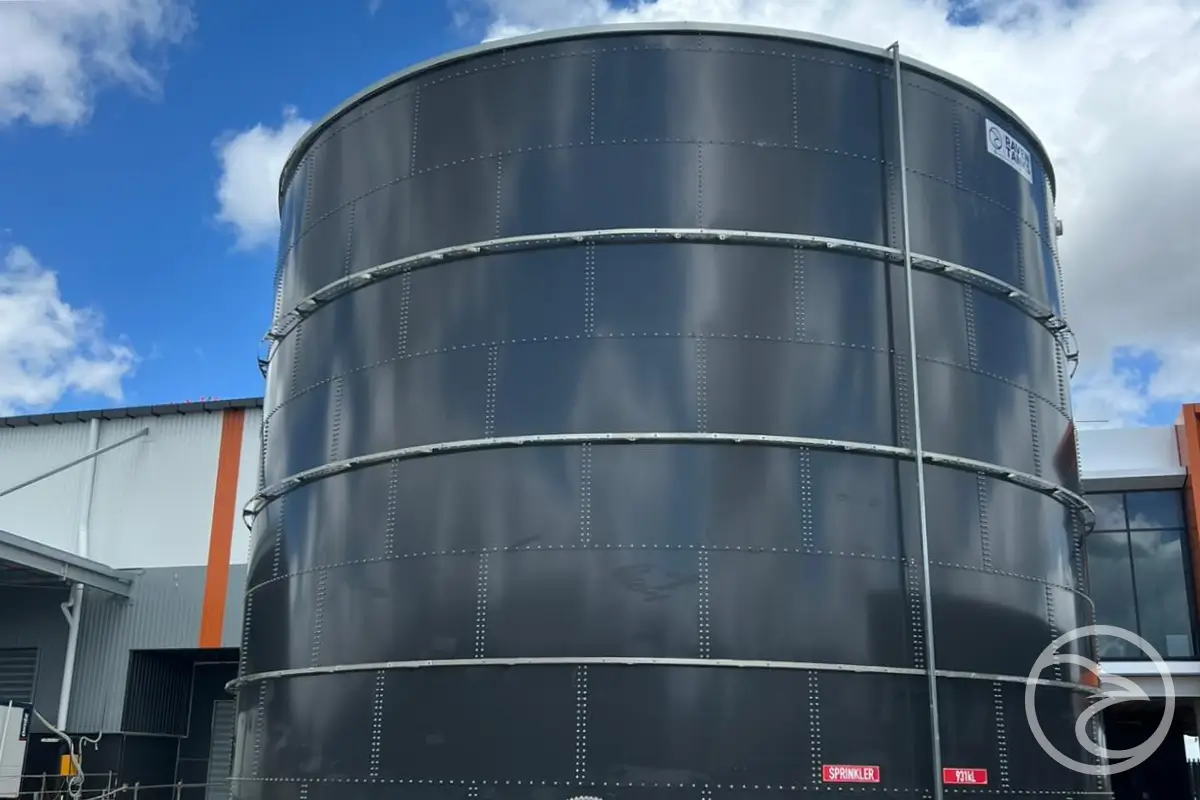
Panel water storage systems are widely used in industrial, commercial, and infrastructure environments due to their modular construction and flexible configuration. While these systems are often discussed in the context of capacity or installation, long-term performance depends heavily on how the system is designed from the outset. Panel water storage system design focuses on structural planning, layout considerations, and engineering decisions that support reliability over the asset lifecycle.
Understanding Panel Water Storage System Design
Panel water storage system design refers to the engineering process used to define how modular panels are configured to form a stable, durable water storage structure. Rather than focusing on where systems are used or how they are supplied, design addresses how loads are managed, how components interact, and how the system responds to operational and environmental conditions.
A well-designed system considers not only immediate functional requirements but also long-term structural behavior and maintenance planning.
Structural Design and Load Distribution
One of the primary considerations in panel water storage system design is load distribution. Water exerts uniform pressure on tank walls and base panels, and this pressure increases with depth. Structural design must ensure that panels, joints, and support elements are capable of handling these loads without deformation or long-term fatigue.
Design calculations typically account for static water pressure, dynamic loads during filling and draining, and external influences such as wind or seismic activity. Proper load distribution helps maintain panel alignment and structural integrity throughout the system’s service life.
Foundation and Support Planning
The performance of a panel water storage system is closely tied to the quality of its foundation. Design planning must consider ground conditions, settlement potential, and load-bearing capacity. A stable and level foundation ensures that panel loads are evenly transferred and reduces stress concentrations within the structure.
Foundation design is often integrated into the overall system layout to ensure compatibility between the supporting surface and the modular panel configuration. This alignment is critical for long-term structural stability.
Panel Configuration and Modularity
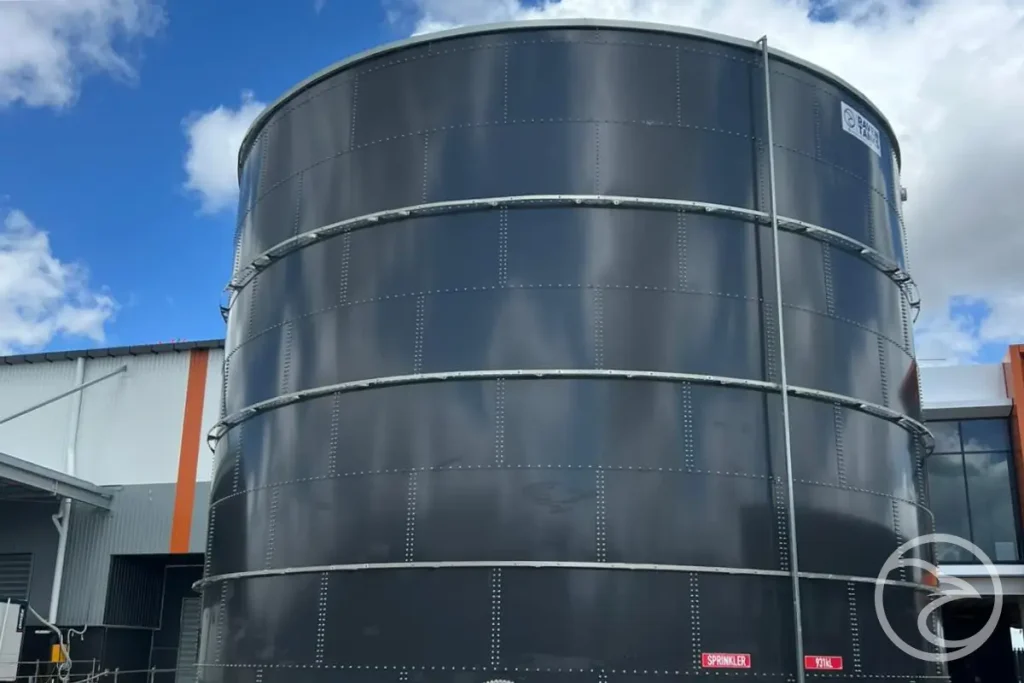
Panel water storage systems rely on modular components that can be arranged to meet specific capacity and spatial requirements. Design considerations include panel size, layout geometry, and connection methods. The chosen configuration influences both structural performance and accessibility.
Modularity allows systems to be designed with future adjustments in mind. Design planning may account for potential expansion or reconfiguration, ensuring that the system remains adaptable without compromising integrity.
Well-planned system design supports the flexibility and scalability of modular panel tank systems, particularly where long-term capacity planning and structural reliability are required.
Material Considerations and Durability
Material selection plays an important role in panel water storage system design. Panels, fasteners, and sealing components must be compatible with stored water conditions and environmental exposure. Design decisions consider corrosion resistance, mechanical strength, and long-term durability.
By selecting materials suited to the operating environment, designers can reduce degradation risks and support consistent system performance over time.
Access, Inspection, and Integration Planning
Although panel water storage system design does not focus on operational procedures, it must allow for practical access and system integration. Design planning considers how access points, roof structures, and internal layouts support future inspections and monitoring activities.
Integration with associated infrastructure, such as pipework and overflow systems, is also addressed during the design phase. Proper integration ensures that the storage system functions as part of a broader water management network.
Compliance and Engineering Standards
Panel water storage system design is typically guided by applicable engineering standards and regulatory expectations. While requirements vary by region, design planning generally aims to align structural and material choices with accepted engineering practices.
Design documentation provides a reference point for demonstrating that systems have been planned and constructed in accordance with relevant standards. This alignment supports consistency and transparency throughout the system’s lifecycle.
Lifecycle-Oriented Design Planning
Effective panel water storage system design adopts a lifecycle perspective. Rather than focusing solely on initial construction, design planning anticipates how systems will perform over decades of use. Considerations such as component aging, environmental exposure, and future operational changes influence design decisions.
A lifecycle-oriented approach helps asset owners manage long-term risk and supports predictable performance without relying on reactive interventions.
Supporting Long-Term System Performance
Panel water storage system design is a foundational element of reliable water storage infrastructure. By addressing structural behavior, material durability, and planning considerations early, designers can create systems that perform consistently under changing conditions.
As infrastructure demands evolve, well-designed panel water storage systems provide the flexibility and resilience needed to support long-term operational objectives while maintaining structural integrity.