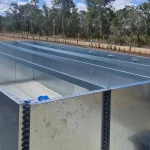
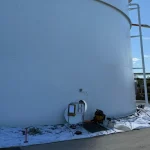
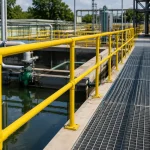
Confined spaces present some of the most complex and hazardous environments in industrial operations. These areas—such as tanks, silos, pits, and tunnels—often have limited access, restricted airflow, and unpredictable internal conditions. Because risks can escalate quickly, having a standby presence is considered a core safety requirement. Understanding confined space standby importance helps organisations recognise why continuous oversight and immediate response capability are essential for protecting workers in these environments.
Unlike general workplace hazards, confined spaces offer little margin for error. A minor incident, such as a slip or equipment malfunction, can rapidly turn into an emergency if the worker becomes unable to exit independently. Standby oversight ensures that someone is constantly monitoring conditions and prepared to act the moment irregularities occur.
1. Confined Spaces Change Conditions Rapidly
One of the primary reasons standby presence is essential is the unpredictable nature of confined spaces.
Conditions inside can shift within seconds due to:
- decreased oxygen
- hazardous gas accumulation
- temperature spikes
- equipment failure
- structural instability
These sudden changes often occur without visible warning. Workers inside may not immediately notice early symptoms of oxygen depletion or toxic exposure. A standby presence serves as an external monitoring safeguard, ensuring changing conditions are detected early and action can be taken quickly.
2. Restricted Movement Limits Worker Response Time
Confined spaces limit a worker’s ability to move freely, reposition equipment, or exit quickly. Narrow access points, tight turns, and low clearances increase the difficulty of responding to unexpected hazards. Even in non-emergency situations, simple tasks often require more time and effort.
A standby observer helps identify delays or issues that may not be immediately clear from inside the space. Their awareness enhances worker safety by recognising when additional support or assistance might be needed before the situation becomes critical.
3. Communication Challenges Increase Risk
Effective communication is essential in confined space operations, but physical barriers often interfere with verbal or radio contact. Echo, noise from equipment, and poor signal penetration can all disrupt communication. Workers may be unable to call out or may not realise that they have lost connection.
A standby presence ensures continuous monitoring of communication flow. If contact is lost or becomes unclear, the observer can take action immediately. This constant oversight significantly reduces the time between problem recognition and intervention.
4. Oxygen Levels and Atmospheric Hazards Can Shift Without Warning
Atmospheric hazards remain one of the most serious risks in confined spaces.
Even with prior testing, conditions can deteriorate rapidly because of:
- residual chemicals
- decomposing materials
- welding or cutting activities
- natural gas seepage
- ventilation system issues
Workers may not notice the early symptoms of oxygen depletion or exposure to toxic gases. A standby observer monitors readings, equipment indicators, and worker behaviour to detect atmospheric irregularities early.
Understanding confined space standby importance includes recognising that atmospheric hazards require constant attention—not just pre-entry checks.
5. Physical Hazards Can Escalate Quickly
Inside confined spaces, physical hazards such as:
- falling tools or debris
- unstable surfaces
- entanglement in equipment
- sudden water ingress
- slipping hazards
can become life-threatening if the worker becomes trapped or injured. Restricted exit paths prevent fast self-rescue. A standby observer ensures that unexpected physical challenges are addressed immediately.
6. Standby Oversight Supports Safe Work Procedures
Confined space tasks often require strict adherence to safety protocols. Workers may become focused on completing their tasks and unintentionally overlook warning signs. A standby observer serves as an additional layer of accountability by:
- monitoring work pace and fatigue
- ensuring equipment is functioning properly
- confirming entry and exit procedures
- helping maintain situational awareness
This external perspective is essential for reducing human error.

7. Immediate Response Reduces the Severity of Incidents
If something goes wrong inside a confined space, even a delay of a few minutes can significantly increase the severity of an incident. The presence of a standby observer ensures:
- faster detection of irregularities
- quicker initiation of emergency procedures
- reduced exposure to harmful conditions
- increased chance of successful outcomes
The quicker a situation is recognised, the more effective the intervention can be.
8. Psychological Support for Workers
Confined spaces can be mentally demanding environments. Anxiety, stress, or disorientation may affect a worker’s concentration and decision-making. Knowing that a standby observer is present provides reassurance and helps reduce the psychological strain of operating in restrictive conditions.
When workers feel supported, they perform their tasks with greater confidence and reduced risk of mistakes. These safety considerations also highlight the value of dedicated standby support, which helps maintain continuous oversight during confined space operations.
Conclusion
Confined spaces present unique hazards that demand continuous oversight and immediate readiness to act. Understanding confined space standby importance highlights why standby presence is not optional—it is a critical component of safety planning. Standby oversight enables early hazard detection, ensures reliable communication, and supports workers who may become vulnerable in restricted environments.
By maintaining constant awareness and preparedness, organisations can dramatically reduce risk and safeguard workers in confined space operations.