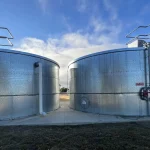
Concrete water tanks are trusted across industrial, agricultural, commercial and municipal applications for their strength, durability and cost-effectiveness. However, even the most robust concrete structures are not immune to long-term wear. One of the most common—and often underestimated—issues is the gradual development of cracks.
Understanding why concrete tank cracks occur is essential for facility managers, engineers and asset owners who need to maintain safe, reliable and contamination-free water storage. Below, we break down the major causes, how these cracks evolve and what long-term solutions help protect concrete tanks from structural decline.
1. Natural Concrete Shrinkage During Curing
All concrete structures undergo shrinkage as they cure. When a new tank is constructed, moisture evaporates from the concrete, causing it to contract. If the contraction is uneven—or if the concrete dries too quickly—it can lead to:
- micro-cracks across the surface
- reduced structural flexibility
- weakened tank walls
- early-stage internal fissures
These initial cracks may appear insignificant, but they often grow under pressure, especially when water cycles begin.
2. Hydrostatic Pressure From Stored Water
Once a tank is filled, the internal water pressure creates consistent outward force on the walls. Over time, this pressure:
- widens micro-cracks
- creates vertical and diagonal fracture lines
- stresses weak sections
- accelerates surface deterioration
Larger tanks experience significantly higher hydrostatic loads, which makes them more vulnerable to cracking—especially if the concrete mix or reinforcement is not optimized.
3. Soil Movement and Ground Settlement
Concrete tanks are rigid structures. When the ground beneath them shifts, the tank cannot flex enough to accommodate the movement. Soil shift is common due to:
- drought-related soil contraction
- heavy rainfall causing soil expansion
- expanding clay foundations
- nearby construction
- natural settlement over time
Even small shifts can create stress fractures that grow steadily year after year. Once ground-related cracks form, they rarely stabilise on their own.
4. Thermal Expansion and Environmental Stress
Concrete expands in heat and contracts in cold conditions. Melbourne’s—and much of Australia’s—climate exposes tanks to rapid temperature changes:
- direct UV exposure
- extreme daytime heat
- cool nighttime conditions
- seasonal temperature swings
These cycles create “thermal fatigue,” where repeated expansion and contraction gradually weakens the concrete matrix. Visible cracks often appear on the sun-exposed side of the tank first.
5. Chemical Attack From Stored Water or Surrounding Soil
Concrete is alkaline, but certain water conditions can quickly break it down. Chemical deterioration is especially common in:
- recycled water tanks
- industrial process water systems
- groundwater-influenced installations
- agricultural tanks exposed to fertiliser runoff
Chemical reactions weaken the cement paste, leading to cracking, spalling and softening. Some soils also contain sulfates and chlorides that migrate into concrete and reduce structural strength.
6. Rebar Corrosion and Internal Expansion
If moisture penetrates cracks and reaches the steel reinforcement, corrosion begins. As rebar rusts, it expands—creating internal pressure that forces cracks to spread further.
This process, known as “concrete cancer,” can cause:
- delamination
- flaking
- widening fractures
- loss of load-bearing capacity
Once rebar corrosion begins, structural deterioration accelerates quickly.

7. Poor Waterproofing or Lack of Internal Protection
Many concrete tanks are built without adequate internal protection, leaving the concrete exposed to continual stress from:
- moisture penetration
- sediment accumulation
- chemical compounds
- temperature shifts
- mechanical abrasion
Internal waterproofing or lining systems dramatically reduce stress on the concrete. Modern advanced liner solutions help preserve tank walls and prevent crack formation by creating a complete protective barrier.
8. Repetitive Fill-Empty Cycles
Each time a concrete tank fills and empties, it undergoes:
- load changes
- pressure strain
- flexing at weak points
- water-induced thermal variation
Tanks used for irrigation, industrial batching or stormwater retention suffer the highest fracture rates due to frequent cycling.
9. Aging and Long-Term Material Fatigue
Even high-quality concrete has a finite lifespan. Over decades, tanks naturally experience:
- cumulative stress
- erosion
- micro-fracture growth
- structural fatigue
Without reinforcement or modern liners, older tanks inevitably develop cracks—sometimes suddenly, sometimes gradually over years of use.
How Cracks Lead to Long-Term Damage
Concrete cracks are more than a visual issue. Left untreated, they can cause:
- water seepage and loss
- contamination of stored water
- rapid growth of cracks
- weakening of tank walls
- tank failure or expensive rebuilds
- rebar corrosion and structural collapse
This is why early identification and preventative protection are critical.
Best Practices to Prevent Concrete Tank Cracks
Install Protective Liners
Liners act as a barrier against water, pressure, chemicals and temperature extremes—preventing crack formation and stopping existing cracks from worsening.
Perform Routine Inspections
Regular checks help catch early signs of cracking before major damage occurs.
Manage Soil Conditions Around the Tank
Drainage improvements, compaction and stabilisation can reduce settlement-related cracking.
Control Fill-Empty Cycles when Possible
Smoother flow management helps reduce stress on tank walls.
Address UV and Thermal Exposure
Shade structures or reflective coatings help stabilise temperatures.
Final Recommendation
Concrete tanks remain a reliable choice for industrial and rural water storage, but they are not immune to long-term structural stress. Most concrete tank cracks form slowly—starting as barely visible lines before expanding into serious failures. With proper engineering-grade liners, regular inspections and proactive maintenance, facility owners can extend tank life, preserve water quality and avoid costly structural repairs.