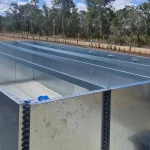
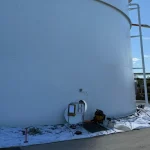
Panel tanks are widely used across the United States for industrial, commercial, and municipal water storage applications. Over time, these tanks are exposed to corrosion, leaks, and chemical wear that can compromise performance. Tank liners for panel tanks offer a proven solution — creating a watertight internal barrier that protects the tank structure and extends its service life.
What are Tank Liners for Panel Tanks
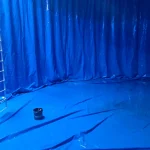
Tank liners are flexible membranes designed to prevent corrosion, leakage, and contamination inside sectional or modular tanks. They are installed within GRP, stainless steel, or galvanized steel panel tanks to form a continuous waterproof surface.
Most modern liners are made from PVC, polypropylene (PP), HDPE, or EPDM rubber. These materials are known for their strength, UV resistance, and chemical stability — suitable for both potable and industrial water applications.
Why Panel Tanks Require Liners
Even durable steel or composite tanks eventually deteriorate when exposed to water and environmental factors. Installing a high-quality liner offers several major advantages:
- Prevents corrosion and leakage inside the tank structure.
- Enhances water hygiene, especially for drinking and process water.
- Extends the lifespan of existing panel tanks.
- Reduces maintenance and replacement costs.
- Allows for easy liner replacement without full tank reconstruction.
By relining existing tanks, facility owners can restore performance quickly and avoid costly system downtime.
Installation and Inspection Process
Installing tank liners for panel tanks requires skilled technicians and precision engineering. The process typically includes:
- Cleaning and preparing the internal surface of the tank.
- Custom-cutting and welding the liner based on tank measurements.
- Securing and sealing the liner to prevent wrinkles or tension points.
- Conducting hydrostatic and quality tests to confirm watertight performance.
With proper installation and maintenance, a tank liner can last 10 to 20 years, depending on use and water quality.
Common Applications
Tank liners are used across a wide range of industries and systems, including:
- Potable and rainwater storage facilities.
- Fire protection and emergency water systems.
- Industrial process water tanks.
- Stormwater detention and OSD systems.
- Agricultural and irrigation storage.
- Chemical containment and wastewater treatment.
Their versatility makes them ideal for new construction or refurbishment projects.

Benefits of Custom-Fitted Liners
A custom-manufactured water storage liners ensures a precise fit and reliable long-term performance. Unlike prefabricated products, tailored liners eliminate folds, tension points, and uneven surfaces.
Main benefits include:
- Faster installation with minimal operational disruption.
- Enhanced leak protection.
- Improved water quality and safety compliance.
- Extended tank lifespan and lower total ownership cost.
Conclusion
Tank liners for panel tanks are a cost-effective way to protect, restore, and extend the life of existing water storage systems. Whether your facility uses GRP, stainless steel, or galvanized tanks, a custom-engineered liner provides superior performance and sustainability.
For industrial or potable water systems, proper lining is essential to maintain safety, efficiency, and compliance — ensuring your tank remains reliable for years to come.