Water storage tanks play an essential role in commercial, industrial, and municipal water management. However, even well-designed systems can gradually accumulate sediment.
Sediment buildup in water tanks can affect water quality, reduce usable storage capacity, and create additional maintenance requirements. These problems often develop slowly, making them difficult to identify during normal operation.
Understanding how sediment enters storage systems and why it settles helps facility managers maintain reliable water storage. This guide explores the causes of sediment accumulation, its potential consequences, and practical methods for reducing buildup.
What is Sediment Buildup in Water Tanks?
Sediment buildup occurs when suspended particles settle and accumulate inside a water storage tank. These particles may originate from the incoming water supply, internal tank components, or environmental contamination.
Common types of sediment include:
-
Sand and fine soil particles
-
Silt and mineral deposits
-
Rust and corrosion particles
-
Organic debris
-
Precipitated minerals
-
Biological material
When water enters a storage tank, its movement often slows. Heavier suspended particles may settle toward the bottom. Over time, these deposits can form a sediment layer, particularly in areas with limited water circulation.
The accumulation rate depends on incoming water quality, tank configuration, operating conditions, and maintenance practices.
What Causes Sediment Buildup in Water Tanks?
Several factors contribute to sediment accumulation. Understanding these causes helps identify appropriate prevention strategies.
1. Suspended Particles in Incoming Water
Water entering a storage tank may contain small quantities of suspended solids. These particles can originate from distribution pipelines, groundwater sources, surface water, or upstream treatment processes.
When water movement slows inside the tank, gravity causes some particles to settle. Systems receiving water with higher suspended solids concentrations may experience faster sediment accumulation.
The problem can become more noticeable when water sources change or upstream pipelines undergo maintenance.
2. Corrosion and Internal Surface Deterioration
Metal storage tanks may develop corrosion when protective systems deteriorate or operating conditions become unfavorable. Corrosion can release rust particles into stored water.
These particles may settle at the bottom and contribute to sediment accumulation. Corrosion-related deposits can also indicate deterioration that requires further investigation.
However, not all sediment originates from corrosion. Identifying the material is important before selecting corrective measures.
3. Low Water Turnover and Stagnation
Water turnover describes how frequently stored water is replaced. In systems with limited demand, water may remain inside the tank for extended periods.
Low turnover can create conditions where suspended particles gradually settle. Stagnant areas may also experience reduced mixing and increased accumulation of organic material.
This is particularly relevant for oversized storage systems or tanks operating below their intended demand. Proper circulation and operational planning can help reduce these problems.
4. Poor Inlet and Outlet Positioning
Tank inlet and outlet arrangements influence how water moves through a storage system. Poorly positioned connections may create areas with limited circulation.
For example, incoming water may travel directly toward the outlet without adequately mixing throughout the tank. This phenomenon is known as short-circuiting.
Meanwhile, other areas may experience low water movement, allowing suspended particles to settle. Engineers should consider water circulation when planning inlet and outlet configurations.
5. Environmental Contamination
External contamination can introduce additional sediment into water storage systems. Potential sources include dust, leaves, insects, and debris entering through damaged or inadequately protected openings.
Poorly maintained roof structures, vents, and access hatches may increase contamination risks. Outdoor tanks can be particularly vulnerable when protective components deteriorate.
Regular inspections help identify openings or damaged components that may allow contaminants to enter.
6. Mineral Precipitation
Some dissolved minerals can form solid deposits when water chemistry changes. Changes in temperature, pH, and chemical conditions may encourage precipitation.
These deposits can accumulate on internal surfaces or settle at the bottom. Mineral-related sediment differs from sand, rust, and organic debris.
Water testing may be necessary to determine the source and appropriate treatment approach.
How does Sediment Buildup Affect Water Quality?
Sediment accumulation does not always indicate that stored water is unsafe. However, excessive deposits can create conditions that affect water quality and system performance.
Increased Turbidity
Disturbed sediment can become suspended in the water. This may increase turbidity, making water appear cloudy or discolored.
Changes in water flow, tank filling, or maintenance activities can disturb previously settled material.
Microbial Growth Risks
Accumulated sediment may provide surfaces where microorganisms can attach. Organic material within deposits can also contribute to microbial activity.
These conditions may encourage biofilm development, particularly when water circulation and disinfectant residuals are inadequate. For potable water systems, maintaining suitable water quality requires appropriate monitoring and treatment practices.
Reduced Usable Storage Capacity
Sediment occupies physical space inside a storage tank. Small deposits generally have limited effects on capacity.
However, substantial accumulation can reduce the volume available for water storage. This may become important in systems requiring dependable reserve capacity.
Operational Problems
Sediment can affect components connected to water storage systems.
Potential consequences include:
-
Blocked strainers and filters
-
Increased maintenance requirements
-
Deposits near outlet connections
-
Reduced equipment efficiency
-
Additional wear on certain pumping components
The severity depends on sediment characteristics, system configuration, and operating conditions.
Which Water Storage Systems are Most Vulnerable?
Sediment buildup can occur in many types of storage tanks. However, certain operating conditions increase the likelihood of accumulation.
Large Commercial Water Tanks
Large tanks may contain areas with relatively low circulation. When water demand varies significantly, some sections may experience extended periods of limited movement.
Tank geometry and inlet configuration influence these conditions.
Industrial Water Storage Systems
Industrial facilities may use water from sources containing suspended solids or dissolved minerals. Process requirements can also create irregular filling and withdrawal patterns.
These factors may contribute to sediment formation.
Fire Water Storage Tanks
Fire protection tanks may hold water for extended periods with relatively limited turnover. As a result, suspended particles can settle over time.
Sediment accumulation may affect water quality and create maintenance concerns. Inspection and maintenance should follow the requirements applicable to the fire protection system.
Potable Water Storage Tanks
Sediment in potable water tanks requires particular attention because water quality is directly related to public health. Storage conditions, disinfection, circulation, and cleaning practices must support applicable drinking water requirements.
How to Identify Sediment Accumulation in Water Tanks
Sediment is often difficult to detect from outside a storage tank. Nevertheless, several indicators may suggest that deposits are developing.
Common warning signs include:
-
Cloudy or discolored water
-
Visible particles during sampling
-
Deposits around accessible internal surfaces
-
Increased filter or strainer blockage
-
Unusual material collected during maintenance
-
Changes in water quality monitoring results
These signs do not always confirm sediment buildup. Water sampling and tank inspections can help determine whether deposits are present.
Why Visual Inspections Matter
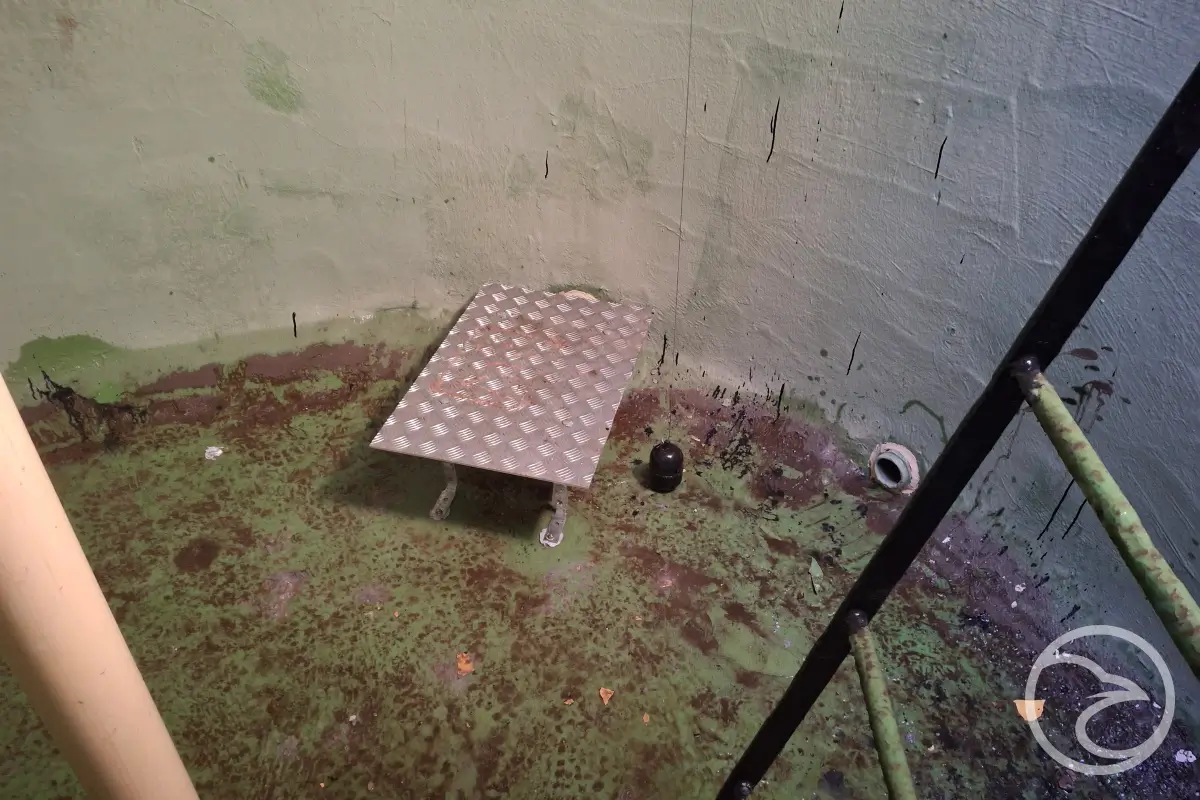
Visual inspections provide information about internal tank conditions. Inspectors can identify sediment layers, corrosion deposits, and areas where debris has accumulated.
Inspection findings can also help determine whether cleaning or additional maintenance is necessary. For large or difficult-to-access tanks, remote inspection technologies may provide another assessment option.
Regular inspections help identify sediment deposits and hidden maintenance issues, while water tank inspection without draining allows assessments with minimal operational disruption.
How to Reduce Sediment Buildup in Water Tanks
Reducing sediment accumulation requires attention to both water quality and storage system operation. The most effective approach depends on the source of sediment and the tank’s intended application.
Improve Incoming Water Quality
Reducing suspended solids before water enters the tank can limit sediment accumulation. Depending on the water source and application, suitable measures may include filtration or upstream treatment.
Treatment equipment should be selected according to actual water quality conditions.
Maintain Appropriate Water Turnover
Regular water turnover helps reduce extended stagnation. Facilities should evaluate whether storage capacity matches operational demand.
Excessively large storage volumes may create unnecessary residence times in some applications. However, storage capacity must still satisfy operational and emergency requirements.
Review Inlet and Outlet Configurations
Proper inlet and outlet arrangements can improve circulation within the tank. Engineers may evaluate connection positions, flow patterns, and potential dead zones.
In some systems, modifications can reduce areas where sediment settles. Any changes should account for hydraulic performance and the tank’s intended purpose.
Protect Tank Openings
Access hatches, vents, and roof components should prevent unwanted debris from entering the system. Damaged seals and protective screens may require replacement.
Regular external inspections can help identify potential contamination pathways.
Schedule Periodic Inspections
Inspection programs help identify developing sediment problems before deposits become excessive. The appropriate inspection frequency depends on water quality, tank use, system risk, and applicable requirements.
Facilities should document findings and monitor changes over time. Sediment deposits can reveal underlying maintenance concerns, making regular assessments essential, as explained in our panel tank inspection guide.
Develop a Suitable Cleaning Strategy
Cleaning removes accumulated deposits when they become unacceptable. The method depends on sediment type, tank design, water application, and accessibility.
Some tanks require draining and controlled internal cleaning. Other systems may support alternative sediment removal methods.
Cleaning procedures must protect personnel, tank components, and stored water quality.
Can Sediment be Removed without Draining the Tank?
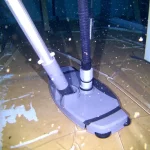
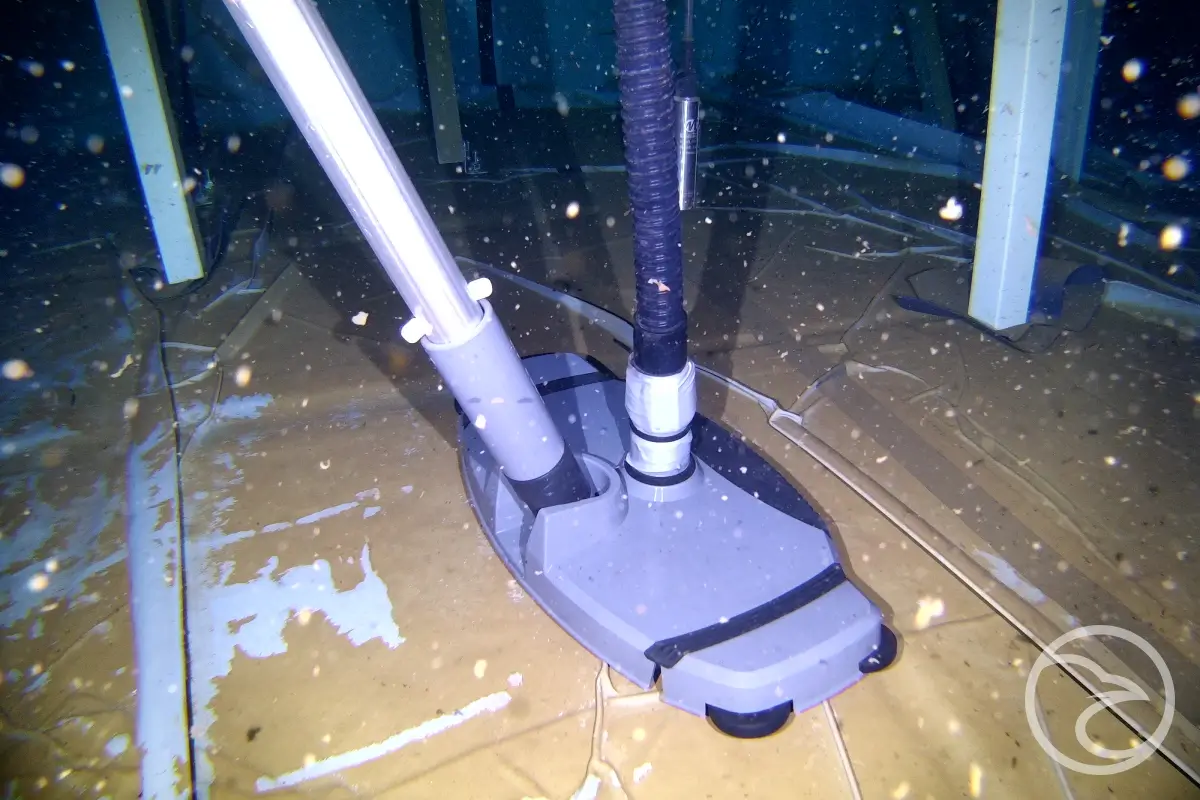
In certain situations, sediment can be assessed or removed without completely draining the tank. Remote-operated equipment may allow inspections while water remains in storage. Some specialized underwater cleaning systems can also collect sediment under suitable conditions.
However, inspection and cleaning are different activities. An underwater camera or remotely operated vehicle does not automatically provide sediment removal capabilities.
The feasibility of cleaning without draining depends on several factors:
-
Tank configuration and accessibility
-
Sediment thickness and composition
-
Water quality requirements
-
Available equipment
-
Operational restrictions
-
Applicable safety and regulatory requirements
For potable water systems, additional controls may be necessary to prevent contamination. A professional assessment can help determine whether underwater cleaning or conventional draining is appropriate.
Sediment accumulation can also conceal early signs of structural deterioration, making it important to understand how water tanks fail and what warning signs require attention.
How Tank Design Influences Sediment Accumulation
Tank design plays an important role in long-term sediment management. Storage volume, internal geometry, and connection arrangements influence water movement.
Poorly designed systems may develop areas where water circulation remains limited. These locations can encourage suspended particles to settle.
Design considerations include:
-
Appropriate storage capacity
-
Suitable inlet and outlet placement
-
Access for inspection and maintenance
-
Internal flow distribution
-
Sediment removal provisions
-
Protection against external contamination
Designers should consider these factors during the planning stage rather than relying entirely on future cleaning. For commercial and industrial facilities, well-planned water storage systems can support reliable operation and more manageable maintenance requirements.
Why Regular Water Tank Maintenance Matters
Sediment accumulation is often gradual. Without monitoring, deposits may remain unnoticed until water quality or equipment performance changes. Preventive maintenance helps identify problems before they become more difficult to manage.
An effective maintenance program may include water quality testing, inspections, cleaning assessments, and reviews of operational conditions. Maintenance records can also reveal whether sediment accumulation is increasing.
Repeated sediment problems may indicate an underlying issue with incoming water quality, circulation, or tank condition. Addressing the cause is generally more effective than repeatedly removing deposits without investigation.
Conclusion
Sediment buildup in water tanks is a common challenge across commercial, industrial, and municipal storage systems. Suspended particles, corrosion, poor circulation, and environmental contamination can all contribute to accumulation.
Although small deposits may have limited effects, excessive sediment can create water quality and maintenance concerns. Effective prevention begins with identifying the source of sediment and understanding how the storage system operates.
Appropriate tank design, water quality management, regular inspections, and targeted cleaning can help reduce long-term accumulation.