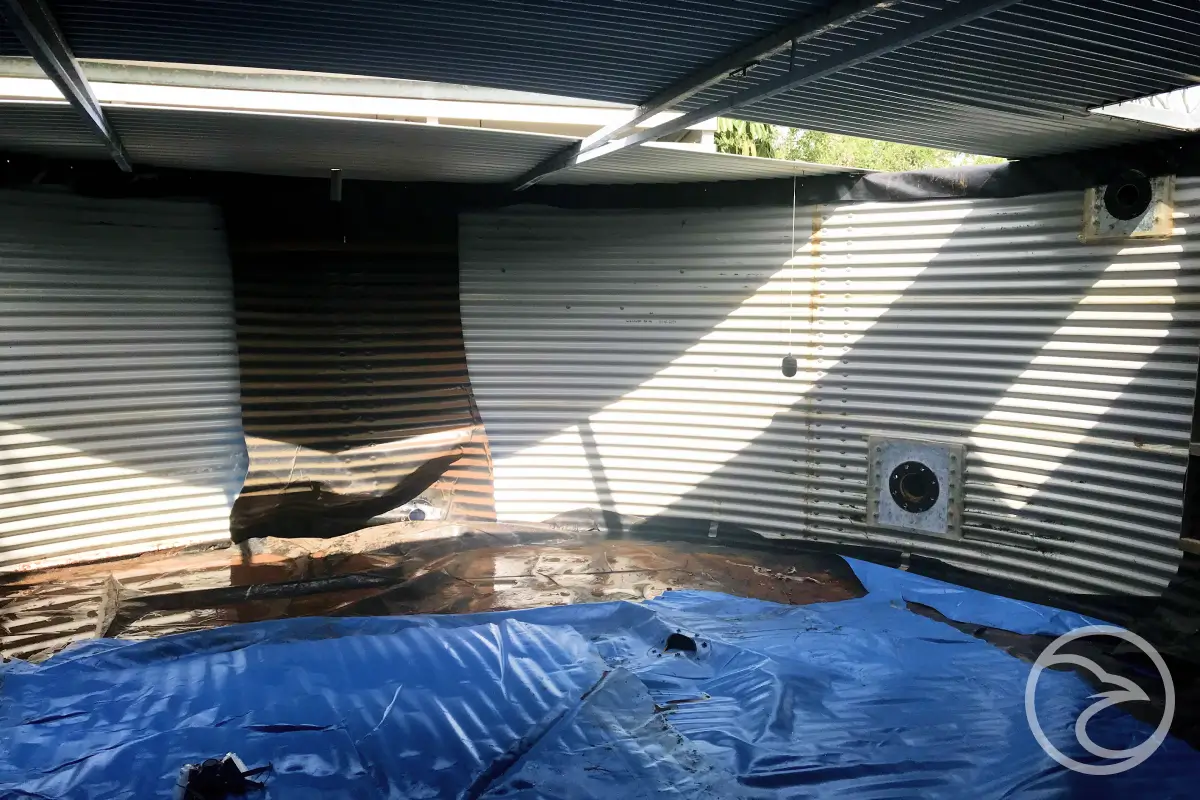
Tank liners play an important role in protecting storage structures and preventing unwanted liquid leakage. They are widely used in industrial tanks, wastewater treatment systems, chemical containment facilities, and environmental storage applications.
However, no tank liner lasts indefinitely. Over time, environmental exposure, chemical contact, mechanical stress, and operating conditions can affect liner performance.
Some liners remain effective for decades under suitable conditions. Others experience premature deterioration because of incompatible materials, installation problems, or demanding operating environments.
Understanding tank liner lifespan helps facility managers plan maintenance, monitor material condition, and reduce unexpected operational disruptions.
It also supports better decisions about material selection and long-term containment reliability. This guide explains how long tank liners typically last, which factors influence durability, and how to recognise deterioration.
What is the Typical Lifespan of a Tank Liner?
The lifespan of a tank liner depends on its material, installation quality, operating environment, and intended application. Many properly designed polymer liners can remain serviceable for 10–20 years or longer. However, this broad range should not be treated as a guaranteed service life.
Some engineered liner systems may exceed 20 years under favourable conditions. Others may require attention much earlier.
Several factors determine actual service life:
-
Material composition: Different polymers offer different levels of chemical resistance, flexibility, and durability.
-
Stored substances: Water, wastewater, and industrial chemicals create different exposure conditions.
-
Operating temperature: Elevated temperatures can accelerate certain material degradation processes.
-
UV exposure: Direct sunlight may affect materials without sufficient UV stabilisation.
-
Mechanical stress: Abrasion, punctures, and repeated movement can damage liner surfaces.
-
Installation quality: Poorly formed seams or inadequate substrate preparation may reduce performance.
The distinction between expected lifespan and actual service life is important. A manufacturer’s estimated lifespan generally assumes specific installation and operating conditions. Actual performance may differ when those conditions change.
Similarly, warranty periods do not necessarily represent the maximum functional lifespan of a liner. A liner may remain serviceable beyond its warranty, provided its condition meets operational requirements.
Choosing the right tank liners helps ensure long-term durability, chemical compatibility, and reliable containment performance.
How Different Tank Liner Materials Affect Lifespan
Tank liners are manufactured from several materials, each offering different performance characteristics. Material selection influences chemical compatibility, flexibility, resistance to environmental exposure, and long-term durability.
Understanding these differences helps explain why liner lifespan varies between applications.
HDPE Liners
High-Density Polyethylene (HDPE) is commonly used in industrial and environmental containment systems. It offers resistance to many chemicals and can provide durable containment when properly specified.
HDPE liners are used in applications such as:
-
Industrial liquid containment.
-
Wastewater storage.
-
Environmental containment.
-
Lagoons and reservoirs.
-
Secondary containment systems.
HDPE is relatively stiff compared with some alternative liner materials. This characteristic makes substrate preparation and installation particularly important.
Sharp objects, uneven surfaces, and concentrated stresses may increase damage risks. HDPE formulations can include stabilisers that improve resistance to UV exposure and oxidation.
However, long-term performance depends on the specific formulation and operating conditions. Chemical compatibility must also be confirmed for each application.
LLDPE Liners
Linear Low-Density Polyethylene (LLDPE) offers greater flexibility than conventional HDPE. This flexibility can be beneficial where liners must accommodate irregular surfaces or controlled movement.
LLDPE liners are used in various water storage and containment applications. Their performance depends on material formulation, installation quality, and exposure conditions.
Potential advantages include:
-
Flexibility around complex surfaces.
-
Accommodation of certain substrate movements.
-
Resistance to many environmental conditions.
-
Suitability for selected containment applications.
However, greater flexibility does not automatically mean a longer lifespan. Chemical resistance, temperature limits, and mechanical requirements must still be considered.
PVC Liners
Polyvinyl Chloride (PVC) liners are used in selected water storage and industrial containment applications. They offer flexibility and can be manufactured in different thicknesses and formulations.
PVC performance depends significantly on its formulation and exposure conditions. Flexible PVC typically contains plasticisers that influence material flexibility.
Over time, plasticiser migration or loss may affect certain formulations.
Potential deterioration mechanisms include:
-
Reduced flexibility.
-
Surface hardening.
-
Cracking under stress.
-
Chemical incompatibility.
-
Changes caused by prolonged environmental exposure.
Not all PVC liners respond identically. Manufacturers may use different additives and protective formulations to improve performance.
Selecting a suitable product is essential for long-term reliability.
EPDM Rubber Liners
Ethylene Propylene Diene Monomer (EPDM) is a synthetic rubber used in various containment applications. Its flexibility allows it to accommodate certain movements and changes in substrate geometry. EPDM generally provides good resistance to weathering and ozone exposure.
It is commonly associated with water containment applications, including ponds and selected storage systems. However, chemical compatibility remains important. EPDM is not suitable for every industrial liquid or chemical environment.
Exposure to incompatible substances may cause swelling, softening, or other material changes. Correct specification helps prevent premature deterioration.
Other Industrial Liner Materials
Specialised applications may require materials beyond HDPE, LLDPE, PVC, and EPDM. Other options include reinforced polymer membranes and engineered composite liner systems.
Some applications use flexible polypropylene or other chemically resistant materials.
Material selection depends on several requirements:
-
Chemical compatibility.
-
Operating temperature.
-
Mechanical strength.
-
Required flexibility.
-
Environmental exposure.
-
Installation conditions.
-
Expected service life.
No single liner material is suitable for every containment application. A material that performs well in clean water storage may behave differently in aggressive industrial wastewater.
Professionally engineered containment liners offer reliable solutions for industrial storage, wastewater treatment, and environmental protection.
What Factors Affect Tank Liner Lifespan?
Several factors influence how quickly a tank liner deteriorates. Some are related to material properties, while others involve installation quality and daily operating conditions.
Understanding these influences helps facility managers identify preventable risks.
Chemical Exposure and Compatibility
Chemical compatibility is one of the most important considerations for industrial tank liners. Different polymers respond differently to acids, alkalis, solvents, hydrocarbons, and other substances.
Exposure to incompatible chemicals may change material properties.
Potential effects include:
-
Swelling or softening.
-
Loss of flexibility.
-
Surface deterioration.
-
Reduced mechanical strength.
-
Environmental stress cracking.
-
Changes in seam performance.
Chemical concentration and temperature can influence these effects. A liner suitable for a diluted chemical may not perform similarly at higher concentrations.
Changes in stored substances should therefore be reviewed carefully. Compatibility assessments should consider the specific liner formulation rather than polymer type alone.
UV Radiation and Weather Conditions
Outdoor liners may experience continuous exposure to sunlight and changing weather. UV radiation can gradually affect certain polymer materials.
The severity depends on formulation, stabilisers, exposure duration, and environmental conditions.
Potential changes include:
-
Surface discolouration.
-
Reduced flexibility.
-
Material embrittlement.
-
Surface cracking.
-
Loss of mechanical properties.
UV-stabilised materials are designed to reduce these effects. However, UV resistance varies between products.
Rainfall, humidity, and wind can also influence exposed liner systems. Appropriate material selection and protection help support long-term performance.
Temperature Fluctuations
Temperature affects polymer behaviour and chemical degradation rates. High temperatures may accelerate ageing processes in certain liner materials. They can also increase chemical interaction with stored substances.
Low temperatures may reduce flexibility in some formulations. Repeated temperature changes create expansion and contraction. These movements can introduce stress around seams, connections, and restrained areas.
Important considerations include:
-
Maximum operating temperature.
-
Minimum expected temperature.
-
Frequency of temperature changes.
-
Chemical exposure at elevated temperatures.
-
Material-specific thermal properties.
Operating limits should follow manufacturer specifications.
Mechanical Stress and Abrasion
Tank liners can experience mechanical stress during installation and operation. Sharp objects, uneven substrates, and equipment contact may damage liner surfaces.
Abrasion can occur when solids move across the liner. Repeated mechanical stress may weaken vulnerable areas.
Common risks include:
-
Punctures from sharp objects.
-
Abrasion caused by sediment.
-
Excessive stretching.
-
Concentrated loading.
-
Damage during cleaning.
-
Movement around penetrations.
-
Poorly supported liner sections.
Mechanical damage can occur even when the material remains chemically stable. Proper substrate preparation helps reduce these risks.
Operating procedures should also prevent unnecessary contact with damaging equipment.
Installation Quality and Seam Integrity
Installation quality has a direct influence on containment performance. Even durable materials may experience early problems when installed incorrectly.
Seams and connections are particularly important. Depending on the liner material, seams may be welded, bonded, or formed using specialised joining methods.
Potential installation-related problems include:
-
Inadequate seam bonding.
-
Poor surface preparation.
-
Incorrect welding conditions.
-
Excessive tension.
-
Wrinkles in critical areas.
-
Improper anchoring.
-
Damage during installation.
Installation procedures should reflect material specifications and project requirements. Appropriate quality control helps identify defects before the system enters service.
Maintenance and Operating Conditions
Daily operating conditions influence liner durability. Changes in liquid levels, cleaning methods, stored substances, and equipment use can introduce additional stress. Poor maintenance may allow minor defects to remain unnoticed.
Accumulated sediment may also create abrasion risks in certain systems. Regular monitoring helps identify changes before they become extensive.
Maintenance programmes should reflect the liner material and operating environment.
Does Tank Liner Lifespan Vary by Application?
Tank liner lifespan can vary significantly between applications. The same material may experience different deterioration rates depending on the stored substance and operating environment.
Understanding application-specific conditions helps explain these differences.
Industrial Water Storage
Industrial water storage systems may contain process water, cooling water, or other operational liquids. Liner performance depends on water chemistry, temperature, and maintenance practices.
Relatively stable conditions may support longer service life. However, cleaning chemicals and changes in water composition can introduce additional risks.
Wastewater Treatment Systems
Wastewater treatment facilities often expose liners to complex chemical and biological environments. Wastewater composition may change throughout the treatment process.
Potential challenges include:
-
Chemical exposure.
-
Sediment accumulation.
-
Abrasion.
-
Temperature variation.
-
Biological activity.
-
Repeated operational movement.
Liner materials must be suitable for the specific wastewater conditions. Regular inspections help identify deterioration associated with changing treatment processes.
Stormwater Collection
Stormwater containment systems experience variable water levels and environmental exposure. Some systems remain partially empty for extended periods.
Exposed liner surfaces may therefore experience significant UV exposure. Stormwater can also introduce sediment, debris, and contaminants.
These factors should be considered during material selection and maintenance planning.
Chemical Containment
Chemical containment applications require careful material compatibility assessments. The stored substance may influence polymer stability and long-term mechanical performance.
Chemical concentration, operating temperature, and exposure duration are particularly important. Secondary containment systems may also remain empty until a spill occurs.
Their liners must remain suitable for the substances they may eventually contain.
Lagoons and Environmental Containment
Lagoons and environmental containment systems often cover large surface areas. They may experience soil movement, environmental exposure, and varying liquid levels.
Substrate preparation and anchoring are important considerations.
Potential risks include:
-
Ground settlement.
-
Mechanical punctures.
-
UV exposure.
-
Chemical incompatibility.
-
Damage from maintenance equipment.
-
Movement around anchored edges.
The appropriate liner material depends on site conditions and containment requirements.
Common Signs of Tank Liner Deterioration
Liner deterioration may develop gradually or result from sudden mechanical damage. Some defects are visible during inspections, while others require specialised testing.
Recognising warning signs helps determine when further assessment is necessary.
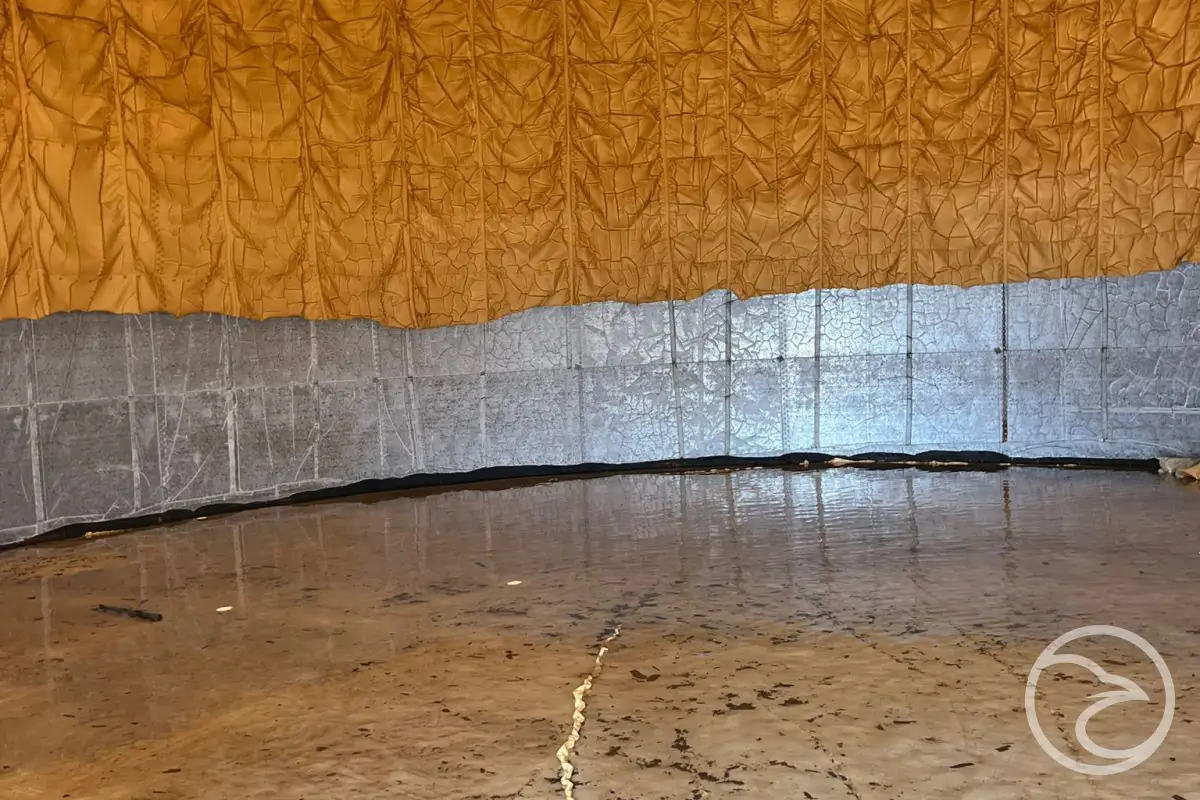
Cracks, Tears and Punctures
Visible cracks, tears, and punctures may compromise containment integrity. Their significance depends on location, size, and material condition.
Small defects may allow leakage under certain operating conditions. Damage around seams or penetrations can be particularly important.
Any suspected breach should be documented and evaluated.
Discolouration and Surface Changes
Changes in liner appearance may indicate environmental exposure or chemical interaction. Discolouration alone does not always mean the liner has failed.
However, changes accompanied by cracking, blistering, or softening may indicate deterioration. Unusual surface textures should also be investigated.
Comparing current conditions with previous inspection records can help identify progression.
Seam Separation and Leakage
Seams connect liner sections and help maintain containment integrity. Seam defects may result from installation problems, mechanical stress, or material ageing.
Warning signs include:
-
Visible separation.
-
Unusual movement around seams.
-
Localised leakage.
-
Cracking near joined sections.
-
Changes in seam appearance.
Not every leak originates from a seam. Penetrations, fittings, and mechanical damage may also create leakage paths. Identifying the source is essential.
Loss of Flexibility and Material Weakening
Certain liner materials may become less flexible as they age. Chemical exposure, UV radiation, and temperature conditions can contribute to these changes.
Possible symptoms include:
-
Increased stiffness.
-
Surface brittleness.
-
Cracking during movement.
-
Unusual stretching.
-
Localised material thinning.
-
Loss of expected elasticity.
Material changes should be assessed against the original product characteristics. Visual inspection alone may not establish remaining mechanical strength.
Specialised testing may be appropriate when significant deterioration is suspected.
How to Extend the Lifespan of Tank Liners
Preventive maintenance helps reduce avoidable damage and supports reliable containment performance. Effective practices should reflect the liner material, operating environment, and manufacturer recommendations.
Schedule Regular Inspections
Routine inspections help identify visible defects and changes in liner condition. Inspection frequency should reflect application risks and operating requirements.
Areas requiring attention may include:
-
Seams and connections.
-
Penetrations and fittings.
-
High-stress locations.
-
Exposed liner surfaces.
-
Areas near equipment.
-
Locations affected by sediment.
Inspections should follow appropriate safety procedures. Tank entry may involve confined-space hazards and requires suitable controls.
Regular inspections support long-term tank performance, as explained in our comprehensive panel tank inspection guide.
Maintain Chemical Compatibility
Stored substances should remain compatible with the liner material. Changes in chemical concentration or composition may affect performance.
Operators should review compatibility before introducing new substances. Cleaning products should also be suitable for the liner.
Control Operating Temperatures
Temperature conditions should remain within specified material limits. Unexpected temperature increases may accelerate deterioration.
Monitoring is particularly important where chemical exposure and elevated temperatures occur together.
Prevent Mechanical Damage
Equipment contact and sharp objects can damage liner surfaces. Maintenance procedures should minimise abrasion and puncture risks.
Cleaning methods should be appropriate for the material. Substrate movement and unusual loading should also be monitored.
Monitor Seams and Connections
Seams, penetrations, and fittings are important areas for maintaining containment integrity. Visible changes should be documented.
Repeated leakage or movement may require specialist assessment.
Maintain Accurate Records
Maintenance records help identify recurring problems and deterioration trends.
Useful information includes:
-
Inspection dates.
-
Observed defects.
-
Photographs.
-
Operating conditions.
-
Chemical exposure changes.
-
Previous maintenance activities.
-
Recommended follow-up actions.
Consistent documentation supports long-term planning.
When Should a Tank Liner be Professionally Assessed?
Some liner defects cannot be reliably evaluated through routine visual inspection. Professional assessment may be necessary when deterioration affects containment performance or creates environmental risks.
Important warning signs include:
-
Persistent or unexplained leakage.
-
Significant tears or punctures.
-
Progressive cracking.
-
Suspected seam failure.
-
Extensive material hardening.
-
Unusual swelling or softening.
-
Repeated damage in the same location.
-
Exposure to incompatible chemicals.
A qualified specialist can assess material condition, seam integrity, and operating requirements. The assessment may include appropriate testing and review of the liner’s service history.
Explore how water tank inspection without draining helps identify visible corrosion, sediment buildup, and coating deterioration.
Conclusion
Tank liner lifespan depends on material selection, chemical compatibility, environmental exposure, installation quality, and operating conditions. Some liners can provide reliable containment for decades, while others deteriorate sooner under demanding conditions.
Understanding these factors helps facility managers identify risks and plan appropriate maintenance. Regular inspections, suitable cleaning practices, and careful operational monitoring support long-term performance.
Visible cracks, seam separation, unexplained leakage, and significant material changes should receive prompt attention. A proactive approach to liner management helps protect containment integrity, reduce environmental risks, and minimise unexpected operational disruptions.