Industrial facilities often require large and reliable water storage systems. The right tank must provide enough capacity while fitting the available site and operating conditions.
Industrial panel tanks are commonly used where flexibility, durability, and configurable storage capacity are important. Their panel-based construction allows tanks to be designed in different sizes and configurations.
However, selecting a tank involves more than choosing its dimensions. Material, water type, structural loads, access, liners, inspection, and maintenance all influence long-term performance.
Understanding these factors can help facility managers and asset owners make better decisions about industrial water storage.
What is an Industrial Panel Tank?
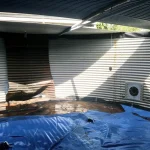
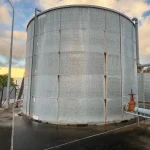
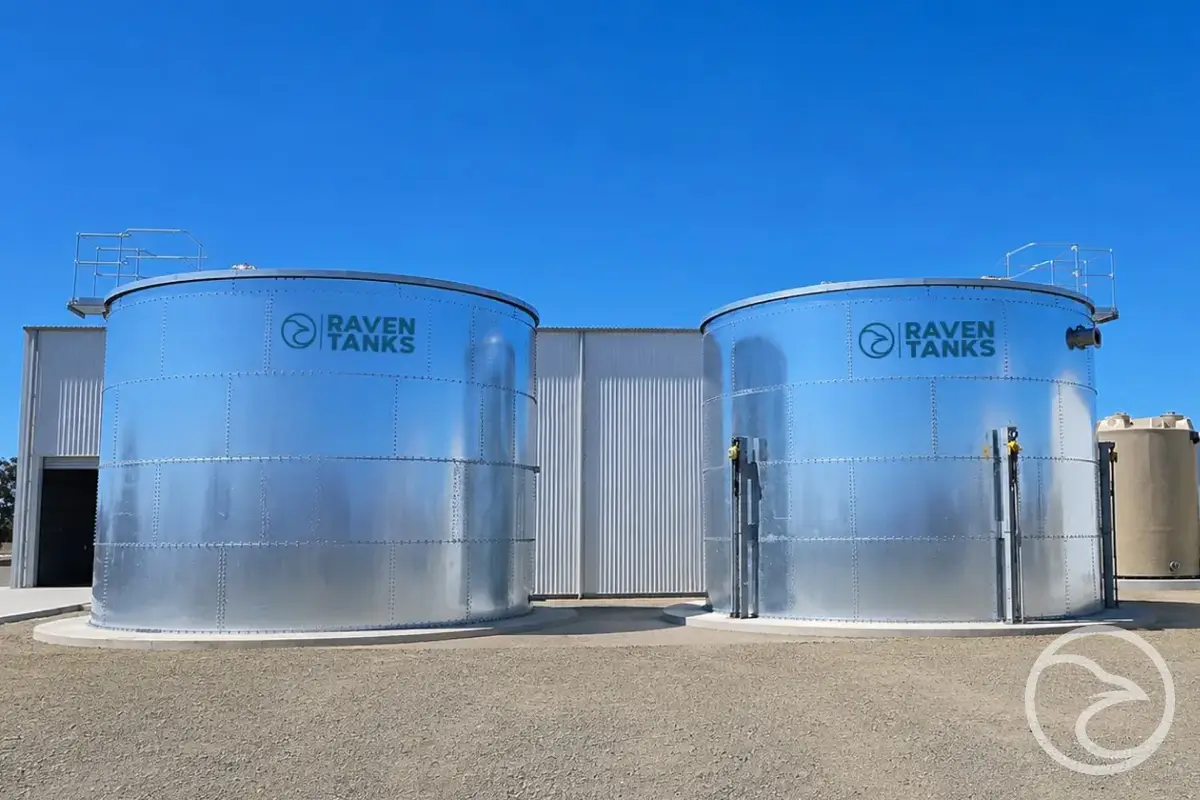
An industrial panel tank is a water storage structure assembled from individual prefabricated panels. The panels are connected to create the walls of the tank. The complete system may also include a roof, internal supports, access points, fittings, seals, and a liner or other containment system.
Unlike tanks manufactured as one complete vessel, panel tanks are assembled to suit the required site and storage capacity. This makes them useful for industrial applications where standard tank dimensions may not be practical.
Panel construction can also simplify transport and site access. Individual components can be delivered separately and assembled at the required location.
For facilities with varying capacity, space, and site requirements, panel tanks provide a flexible approach to large-scale water storage.
Where are Industrial Panel Tanks Used?
Industrial panel tanks can support many types of water storage applications.
They may be found at:
- manufacturing facilities;
- warehouses and distribution centres;
- processing plants;
- mining and industrial sites;
- commercial developments;
- infrastructure facilities;
- utilities;
- large residential developments.
The stored water may also serve different purposes. For example, a panel tank may store fire water, potable water, process water, or general-purpose water. Each application creates different design requirements.
A fire water tank must support the needs of the fire protection system. A potable water tank requires materials suitable for drinking water storage. Process water tanks may need to consider the characteristics of the stored water and operating environment.
For this reason, the application should be established before the tank design is selected.
Why are Panel Tanks Used for Industrial Water Storage?
One of the main advantages of panel tanks is their configurable design. Industrial sites often have limited space, restricted access, or existing structures that affect where a tank can be installed.
A panel system can provide greater flexibility in these situations. Instead of relying on a fixed tank shape, the dimensions can often be adjusted around the required storage volume and available footprint.
This is particularly useful when a site requires significant water storage but has limited horizontal space. Panel tanks can also be useful where transporting a complete tank to the installation location would be difficult.
Because the tank arrives in separate components, access requirements may be more manageable. However, flexibility does not remove the need for proper engineering. Tank dimensions, materials, foundations, structural loads, and connections must all suit the intended application.
How are Industrial Panel Tanks Engineered?
Industrial water storage tanks must safely contain significant volumes of water. Water creates pressure against the tank walls. This pressure increases with depth, meaning the lower parts of the structure experience greater hydrostatic forces.
Tank design therefore needs to consider much more than total capacity.
Engineering considerations may include:
- tank height and dimensions;
- water depth;
- panel material;
- panel thickness and strength;
- internal bracing;
- external supports;
- joint design;
- roof loads;
- wind conditions;
- seismic requirements where applicable;
- foundation conditions;
- pipe connections and penetrations.
The surrounding environment can also influence design. For example, a tank exposed to coastal conditions may face different corrosion risks from one installed inside a protected industrial building.
An engineered water tank should therefore reflect the conditions of the specific site rather than relying only on nominal storage capacity.
To learn more about how bolted systems are assembled and where they are commonly used, see our guide, what are bolted panel tanks?
What Determines the Size and Configuration of an Industrial Panel Tank?
Tank capacity is one of the first considerations, but it is not the only one. Two tanks with the same capacity may have very different dimensions. One may be relatively wide and shallow. Another may need to be narrower and taller because of space restrictions.
Several factors influence the final configuration.
Required Water Storage Capacity
The required volume depends primarily on how the stored water will be used. Industrial facilities may need water for manufacturing, processing, emergency supply, fire protection, or other operational purposes.
Capacity calculations may need to consider:
- normal water demand;
- peak demand;
- required reserve capacity;
- system requirements;
- refill arrangements;
- future operational needs.
Where tanks form part of regulated systems, applicable standards and design requirements must also be considered. Selecting capacity without understanding the intended demand can create problems later.
An undersized tank may not provide sufficient storage. An unnecessarily large tank may increase space, structural, and maintenance requirements.
Available Footprint and Site Access
Available space can significantly influence panel tank design. Industrial facilities often have existing buildings, equipment, pipework, access routes, and other infrastructure around the proposed tank location.
The design must therefore consider both the tank footprint and the space needed around it.
Adequate access may be needed for:
- installation;
- pipe connections;
- inspection;
- maintenance;
- future repairs.
A tank that physically fits into a location may still be difficult to maintain if there is insufficient working space around key components.
Water Type and Intended Application
The stored water influences material selection and containment requirements. Potable water, fire water, process water, and other stored liquids may require different materials or internal systems.
Water quality can also influence corrosion and liner compatibility. The tank should therefore be designed around both the required volume and the characteristics of what it will contain.
Operating Conditions and Structural Loads
Industrial tanks can be exposed to demanding conditions throughout their service life. The design may need to account for repeated filling and emptying, environmental exposure, structural movement, and changing operational conditions.
External loads can also be important. Wind, roof loads, pipe loads, foundation movement, and site-specific structural conditions may all affect tank performance.
These factors should be considered during the engineering stage rather than after installation.
How to Choose the Right Material for an Industrial Panel Tank
Material selection has a major influence on durability, maintenance, and long-term tank performance. There is no single material that is ideal for every industrial water storage application.
Depending on the tank system, materials may include galvanised steel, coated steel, stainless steel, or other engineered panel materials.
The appropriate choice depends on factors such as:
- stored water;
- internal corrosion risk;
- external environment;
- humidity;
- chemical exposure;
- expected service life;
- maintenance requirements;
- project budget;
- applicable standards.
Corrosion resistance is particularly important for steel tanks. Moisture, damaged protective surfaces, aggressive environments, and unsuitable material combinations can contribute to deterioration over time.
Material selection should therefore consider the full operating environment rather than initial installation conditions alone.
Steel Panel Tanks for Industrial Applications
Steel is widely used for industrial water storage because it provides structural strength and can be incorporated into large panel tank systems. Steel panel tanks can be designed for different capacities and site configurations.
Depending on the system, protective coatings or galvanised surfaces may help reduce corrosion exposure. However, these protective systems still require monitoring.
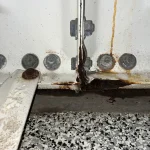
Scratches, coating breakdown, persistent moisture, and ageing components can create areas where corrosion develops. Connections are also important.
Bolts, panel joints, penetrations, and other interfaces should remain in suitable condition throughout the tank’s service life. Regular inspection can help identify deterioration before it affects a larger area of the structure.
Internal Liners and Water Containment
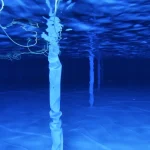
Some industrial panel tanks use an internal liner to provide the primary water containment barrier. A liner separates the stored water from parts of the tank structure and can provide an effective containment system when correctly specified and installed.
Liner selection depends on the application.
Important considerations include:
- stored water type;
- material compatibility;
- tank dimensions;
- operating temperature;
- expected movement;
- seam construction;
- penetrations and fittings;
- required service life.
The liner must also work as part of the complete tank system. Areas around pipe penetrations, corners, fittings, and seams may require particular attention because these locations can experience additional stress.
Depending on the application and tank construction, purpose-designed tank liners can provide a containment barrier suited to the stored water and tank configuration.
Liners are not maintenance-free. Their condition should be included in routine tank inspections. Wrinkles, damaged seams, punctures, material deterioration, and problems around penetrations can eventually affect containment.
Foundations and Structural Support
A panel tank depends on the structure beneath it. Water is heavy, and large industrial tanks can transfer substantial loads to their foundations. The foundation must therefore provide suitable and consistent support.
Problems such as settlement or differential movement can affect the tank above.
Possible consequences may include:
- stress around panel connections;
- distortion;
- joint movement;
- seal deterioration;
- changes in alignment;
- leakage.
Foundation condition should not be considered separately from tank condition. If unusual movement or deformation appears in the tank, the supporting structure may also require assessment.
Correct foundation design at the beginning of a project can reduce the risk of these problems developing later.
Access, Inspection and Maintenance Requirements
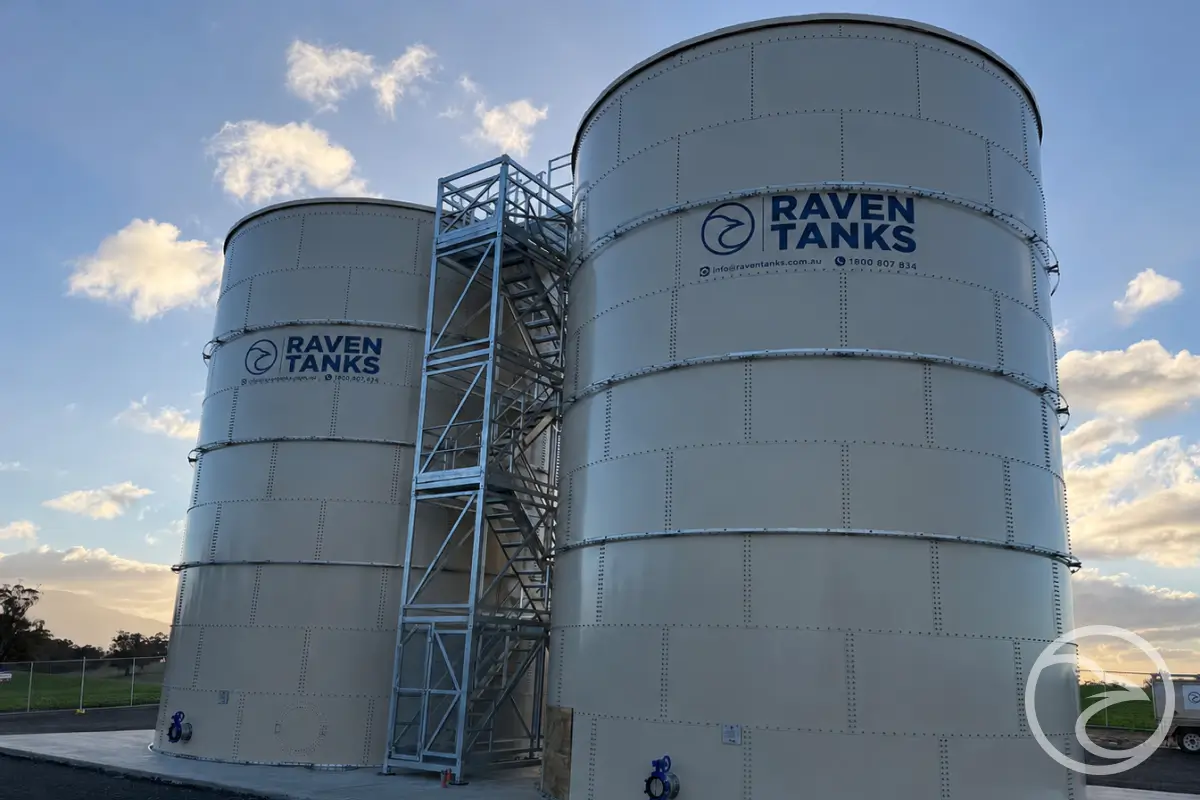
Inspection and maintenance should be considered when the tank is designed, not only after it enters service. Industrial panel tanks contain many components that may need assessment during their operating life.
Safe and practical access makes these activities easier. Depending on the tank, access requirements may include roof access, hatches, ladders, internal entry points, or space around external walls.
Poor access can make routine condition monitoring more difficult.
Industrial Panel Tank Inspections
Regular inspections help establish how a tank is changing over time.
An inspection may assess areas such as:
- tank panels;
- bolts and fasteners;
- panel joints;
- seals;
- roof components;
- corrosion;
- coatings;
- internal liners;
- pipe penetrations;
- access hatches;
- supports;
- foundations;
- visible leakage.
The inspection should consider patterns rather than isolated defects alone. For example, corrosion concentrated around one connection may indicate a local problem. Widespread corrosion may suggest broader environmental or protective-system deterioration. The same principle applies to leaks.
Water appearing outside a tank does not always identify the original source. Water can travel along structural components before becoming visible.
Industrial Panel Tank Maintenance
Routine maintenance can help extend the useful service life of an industrial panel tank. Maintenance requirements vary according to the tank material and system. Typical areas requiring attention may include joints, seals, fasteners, protective coatings, fittings, access components, and liners.
Corrosion should also be monitored. Small areas of deterioration can become more difficult to address if moisture continues reaching exposed material. Maintenance records are useful because they provide a history of recurring issues.
If the same joint repeatedly leaks or the same area continues to corrode after repair, the underlying cause may require further investigation.
Maintenance should therefore be condition-based where possible rather than limited to repairing visible problems.
Industrial Panel Tanks vs Conventional Welded Tanks
Panel tanks and welded tanks can both provide industrial water storage, but their construction methods differ. A welded tank typically forms a continuous steel structure assembled through welding. A panel tank is constructed from individual sections connected on site.
Panel construction can offer advantages where transport or site access is restricted. It can also provide flexibility in tank dimensions.
This can be useful when a facility requires a specific storage capacity within an unusual footprint. Welded systems may offer different structural and maintenance characteristics.
The appropriate option depends on:
- required capacity;
- site conditions;
- access;
- application;
- tank material;
- installation requirements;
- maintenance strategy;
- project-specific engineering needs.
The comparison should therefore be made around the actual application rather than tank type alone.
Can Industrial Panel Tanks be Expanded or Modified?
One potential advantage of panel-based construction is flexibility. Depending on the original system and engineering requirements, some tanks may allow modification or expansion. However, adding panels is not simply a matter of increasing the dimensions.
Changes in tank height or capacity can alter structural loads throughout the system.
Modifications may affect:
- hydrostatic pressure;
- panel loads;
- bracing;
- foundations;
- roof structure;
- pipework;
- liners;
- connections.
Any proposed expansion should therefore consider the original tank design and current structural condition.
An older tank may also require inspection before modification. Existing corrosion, damaged components, or foundation movement could affect whether expansion is practical.
What is the Expected Service Life of an Industrial Panel Tank?
There is no universal service life for every panel tank. Two similar tanks can deteriorate at very different rates depending on their environments and maintenance histories.
Factors affecting service life include:
- construction material;
- quality of installation;
- water characteristics;
- external environment;
- corrosion protection;
- liner condition;
- frequency of filling and emptying;
- structural movement;
- inspection frequency;
- maintenance quality;
- previous repairs.
Early detection of deterioration can make a significant difference. A damaged seal may initially be a local maintenance issue. If leakage continues, surrounding components may experience prolonged moisture exposure and corrosion.
For this reason, service life should be viewed as a condition-management issue rather than a fixed number of years.
Signs an Industrial Panel Tank may need Further Assessment
Some changes deserve closer investigation rather than routine maintenance alone.
Warning signs may include:
- recurring leaks;
- visible panel deformation;
- widespread corrosion;
- damaged or missing fasteners;
- deteriorated seals;
- liner damage;
- unusual movement;
- foundation settlement;
- persistent moisture around the tank;
- repeated failure of previous repairs.
One defect does not automatically mean that the complete tank requires replacement. The important question is why the defect developed. A leaking joint, for example, may be caused by a failed seal. However, it could also be associated with panel movement, foundation issues, or structural distortion.
Finding the underlying cause helps determine whether local repair, broader refurbishment, or another response is appropriate.
What Should be Considered Before Selecting an Industrial Panel Tank?
Choosing an industrial panel tank should begin with the intended application rather than a standard tank size. The project should establish what the tank needs to store, how much capacity is required, and where the system will be installed.
Material and structural requirements can then be considered around those conditions.
Before selecting a tank, key questions include:
- What will the tank store?
- What storage capacity is required?
- Is additional future capacity likely?
- How much site space is available?
- Are there access restrictions?
- Which tank material suits the environment?
- Is an internal liner required?
- What structural loads must be considered?
- What foundation will support the tank?
- How will the tank be inspected?
- Is there adequate maintenance access?
- What are the long-term maintenance requirements?
Considering these questions early can help prevent situations where a tank meets the required volume but is poorly suited to its location or operating conditions.
Key Takeaways
Industrial panel tanks provide a flexible approach to large-scale water storage. Their panel-based construction allows capacity and dimensions to be adapted to different industrial sites. However, successful tank selection depends on more than size alone.
Material, water type, structural loads, foundation conditions, liners, access, inspection, and maintenance all influence long-term performance.
The most suitable tank is therefore one designed around the complete application. Planning for inspection and maintenance from the beginning is equally important. A well-designed industrial water storage system should not only meet current capacity requirements but also remain practical to inspect, maintain, and manage throughout its service life.