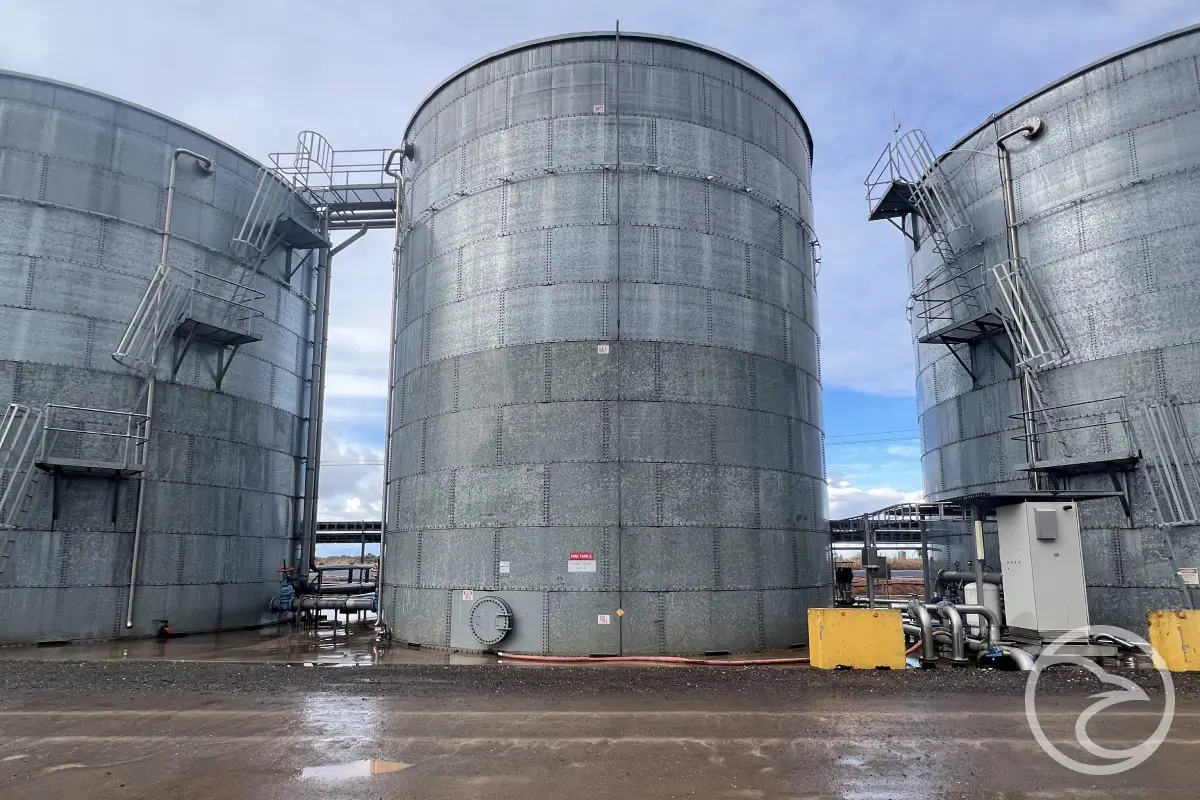
Water storage systems must be durable, reliable, and suitable for long-term use. Among various options, hot-dip galvanized (HDG) panel tanks remain a widely used solution in commercial and industrial environments.
These tanks combine structural strength with corrosion protection, making them a practical choice for many applications. This guide explains the key benefits of HDG panel tanks and why they are still relevant in modern water storage systems.
What a re HDG Panel Tanks?
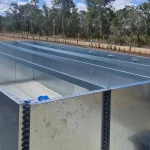
HDG panel tanks are made from steel panels coated with zinc through a hot-dip galvanizing process. This coating creates a protective layer that helps prevent corrosion. The tanks are assembled on-site using bolted panels, allowing flexibility in size and configuration.
They are commonly used in:
- industrial facilities
- commercial buildings
- infrastructure projects
- fire protection systems
1. Strong Corrosion Protection
One of the main benefits of HDG tanks is their resistance to corrosion. The zinc coating acts as a barrier between the steel and the environment. It also provides sacrificial protection, meaning the zinc corrodes before the steel does.
This helps:
- extend the life of the tank
- reduce exposure to rust
- maintain structural integrity
However, over time, the protective layer may wear, especially in aggressive environments.
2. High Structural Strength
Steel is known for its strength, and HDG panel tanks benefit from this property.
They can handle:
- high water pressure
- large storage volumes
- demanding operating conditions
This makes them suitable for projects where durability and load-bearing capacity are important.
3. Cost-Effective for Large Installations
HDG panel tanks are often used in large-scale projects due to their cost efficiency.
Benefits include:
- relatively lower upfront cost compared to some alternatives
- suitability for large-capacity systems
- efficient material usage
For budget-sensitive projects, this can be an important factor.
4. Modular and Scalable Design
Like other panel systems, HDG tanks use a modular design.
This allows:
- flexible sizing
- easier transportation
- on-site assembly
They can also be expanded by adding additional panels if storage needs increase. To understand how modular systems work across different materials, see what are bolted panel tanks.
5. Proven and Widely Used Technology
HDG tanks have been used for decades in water storage applications.
This long history means:
- well-understood performance
- established installation practices
- availability of replacement parts
Many industries continue to rely on this technology due to its familiarity and reliability.
6. Suitable for a Range of Applications
HDG panel tanks are versatile and used across multiple sectors.
Common applications include:
- industrial water storage
- process water systems
- fire protection systems
- agricultural use
They are particularly effective in projects where strength and capacity are priorities. For a broader overview of system options, explore panel tanks and how different types are used.
7. Resistance to Mechanical Damage
Compared to some alternative materials, steel panels offer higher resistance to physical impact.
This can be beneficial in environments where:
- equipment is frequently moved
- accidental contact may occur
- external forces are present
The rigid structure helps maintain tank shape under stress.
8. Long Lifespan with Proper Maintenance
HDG tanks can last many years if properly maintained.
Their lifespan depends on:
- environmental conditions
- water quality
- maintenance practices
Regular inspections and upkeep help extend service life. For more details, see panel tank lifespan and how different materials perform over time.
9. Standardized Components
HDG panel tanks are built using standardized panels and fittings.
This provides:
- easier repairs
- simplified replacement of parts
- consistent system design
Standardization can reduce downtime during maintenance or upgrades.
10. Compatibility with Existing Systems
HDG tanks are often used in projects that require integration with existing infrastructure.
They can be connected to:
- pipelines
- pumps
- treatment systems
Their compatibility makes them a practical choice for upgrades or expansions.
Limitations to Consider
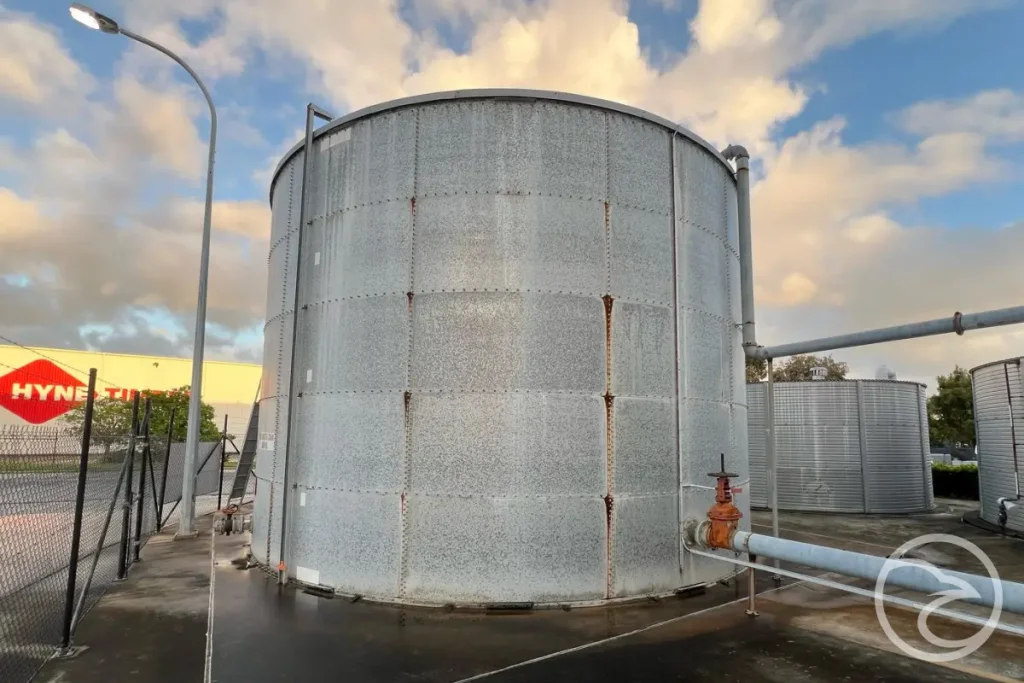
While HDG tanks offer many benefits, they also have some limitations.
These include:
- potential corrosion over time if the zinc layer degrades
- need for periodic maintenance
- sensitivity to highly aggressive environments
In some cases, alternative materials may provide better long-term performance. For a comparison with other materials, see HDG vs GRP panel tanks.
When are HDG Panel Tanks the Right Choice?
HDG tanks are a suitable option when:
- structural strength is required
- large storage capacity is needed
- budget constraints are a factor
They are often chosen for traditional or heavy-duty applications.
Final Thoughts
Hot-dip galvanized panel tanks remain a reliable and widely used solution for water storage. Their combination of strength, modular design, and corrosion protection makes them suitable for many industrial and commercial uses.
While newer materials offer additional advantages in some cases, HDG tanks continue to play an important role in modern infrastructure.
Understanding their benefits and limitations helps ensure the right choice for each project.