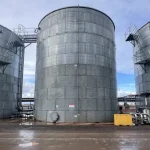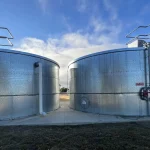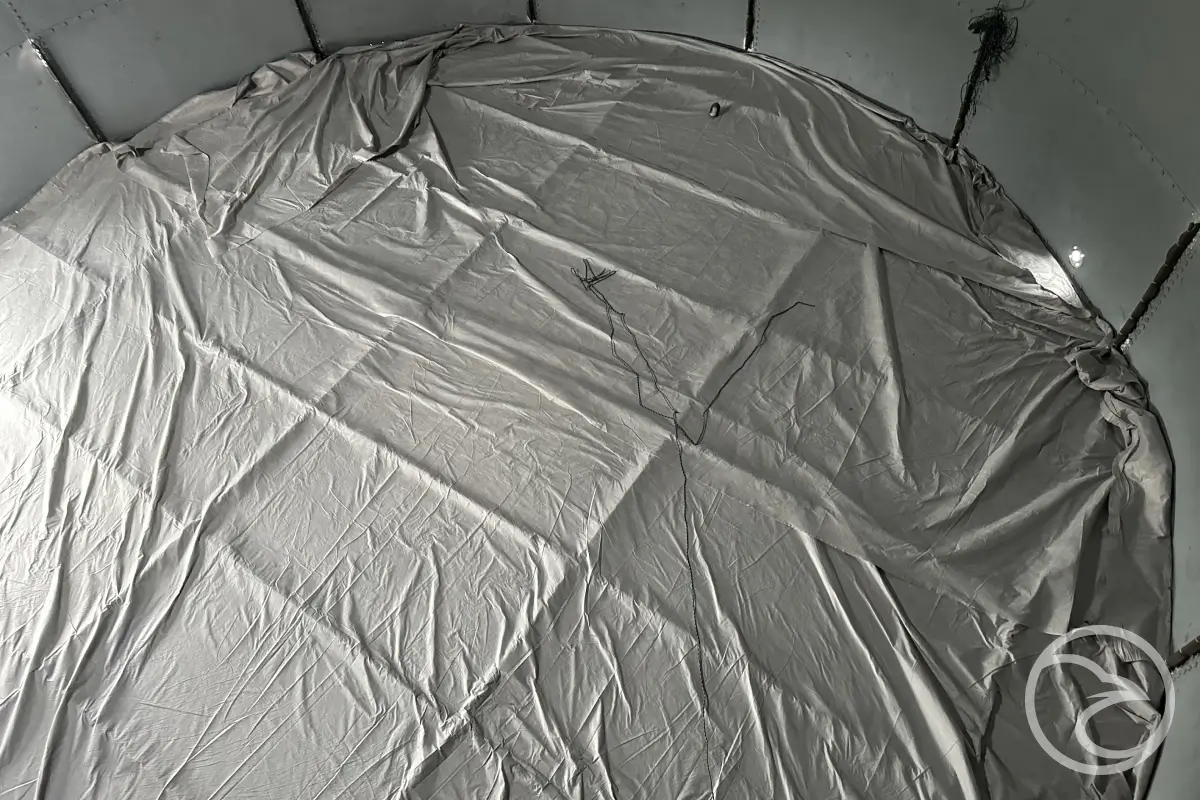
Reliable water storage is essential for industrial facilities, agricultural operations, and infrastructure projects. Over time, tanks may experience corrosion, leaks, or structural wear that compromises performance. Installing a flexible tank lining for water storage offers a practical solution to extend tank lifespan while maintaining operational reliability.
Flexible lining systems provide waterproof protection and structural support without requiring complete tank replacement.
What is Flexible Tank Lining?
Flexible tank lining refers to a protective membrane installed inside a storage tank to prevent leaks, corrosion, and contamination. These liners are typically made from durable polymer materials designed to adapt to different tank shapes and configurations.
Because of their flexibility, these lining systems can be installed in:
- Steel tanks
- Concrete reservoirs
- Panel tanks
- Industrial storage systems
The adaptability of a flexible tank lining for water storage makes it suitable for both new installations and rehabilitation projects.
Key Benefits of Flexible Tank Lining
- Leak Prevention: One of the primary advantages of flexible lining is its ability to create a watertight barrier. This reduces the risk of water loss and protects surrounding infrastructure.
- Corrosion Protection: Water and environmental exposure can gradually damage tank surfaces. A flexible liner acts as a protective barrier between stored water and tank materials, preventing corrosion and extending structural lifespan.
- Cost-Effective Tank Rehabilitation: Replacing a tank can be costly and disruptive. Installing a flexible liner allows facilities to restore existing tanks without extensive reconstruction.
- Adaptability to Various Tank Sizes: Flexible liners can be customized to suit different capacities and configurations. This makes them ideal for facilities with specific storage requirements.
Installation Process Overview
Proper installation is critical to liner performance. The process typically includes:
- Tank inspection and structural assessment
- Surface preparation and cleaning
- Liner fabrication to fit tank dimensions
- Secure anchoring and sealing
- Final inspection and testing
Professional installation ensures that the lining system performs effectively over time.
Maintenance Considerations
Flexible liners require routine monitoring to maintain optimal performance. Maintenance practices may include:
- Periodic visual inspections
- Monitoring for wear or punctures
- Cleaning to prevent sediment buildup
- Ensuring proper sealing around fittings
Regular maintenance supports long-term reliability and safety compliance.
Proper tank maintenance strategies often include durable water storage protection solutions to ensure operational stability.
Sustainability and Longevity
Extending the life of existing tanks reduces material waste and environmental impact. Flexible lining systems contribute to sustainable infrastructure management by minimizing the need for full tank replacement.
In addition, many liner materials are designed for long service life, offering durability under demanding environmental conditions.
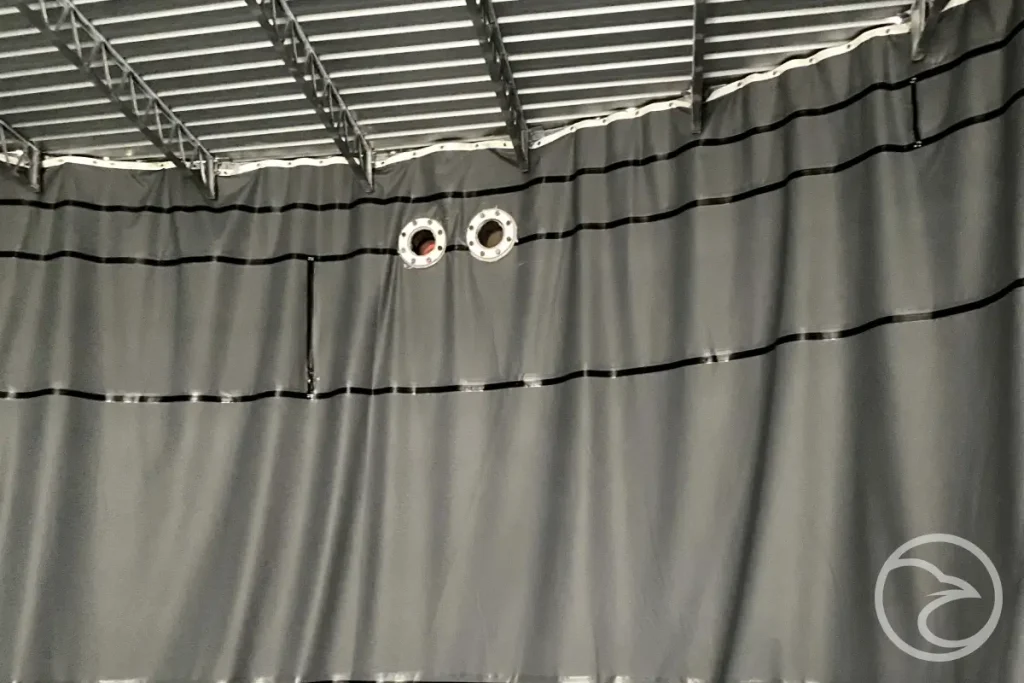
Is Flexible Lining the Right Solution?
When evaluating water storage infrastructure, facilities should consider:
- Current tank condition
- Budget constraints
- Long-term operational goals
- Regulatory compliance requirements
For many industrial and commercial sites, flexible tank lining for water storage offers a practical and efficient way to maintain reliable water containment without extensive reconstruction.
Conclusion
Water storage systems are critical to industrial and infrastructure operations. Protecting these systems with flexible lining solutions improves durability, reduces maintenance costs, and enhances operational reliability.
With proper installation and maintenance, flexible tank lining systems provide long-term protection that supports efficient and sustainable water storage management.