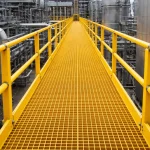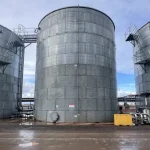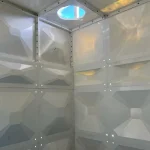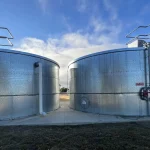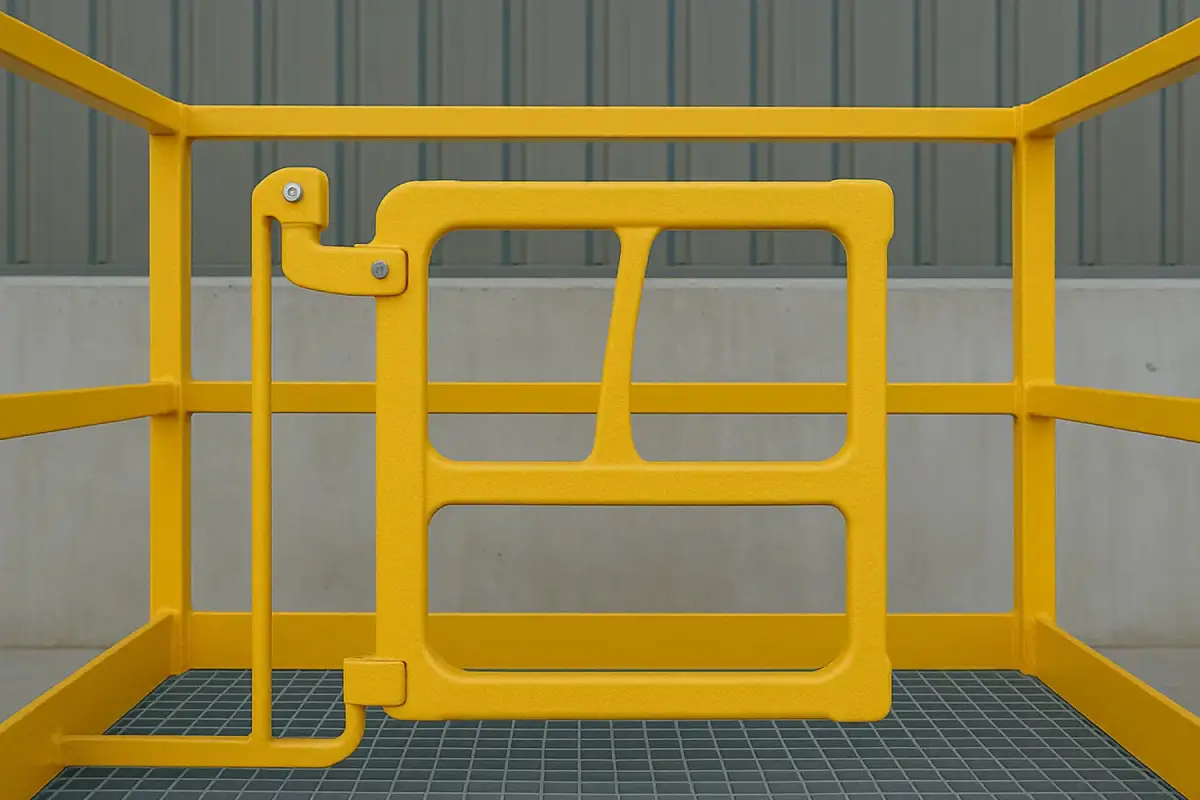
A corrosion-resistant safety gate plays an important role in maintaining safe access control within industrial environments exposed to moisture, chemicals, and changing weather conditions. In many facilities, safety gates are installed in areas where traditional materials may degrade over time, leading to reduced reliability and increased maintenance challenges. Understanding how corrosion-resistant materials perform helps explain why such gates are used in demanding operational settings.
Why Corrosion Resistance Matters in Safety Gates
Industrial safety gates are often located in high-risk areas such as elevated platforms, walkways, processing zones, and access points near equipment. These environments frequently involve exposure to water, airborne chemicals, humidity, or temperature fluctuations. Without adequate corrosion resistance, gate components may weaken, deform, or lose functionality over time.
A corrosion-resistant safety gate helps reduce these risks by maintaining structural stability and consistent performance. By limiting material degradation, corrosion-resistant designs support predictable behaviour in environments where safety barriers must remain reliable over long service periods.
Common Causes of Corrosion in Industrial Settings
Corrosion in industrial environments is typically driven by a combination of moisture, chemical exposure, and oxygen interaction. Outdoor installations are affected by rain, humidity, and temperature cycling, while indoor industrial areas may expose safety gates to vapours, cleaning agents, or process-related chemicals.
Salt exposure in coastal regions and airborne pollutants in industrial zones further accelerate corrosion processes. These factors make material selection a critical consideration when designing or specifying safety gate systems intended for long-term use.
Material Characteristics that Support Corrosion Resistance
A corrosion-resistant safety gate relies on materials that do not readily react with environmental agents. Non-metallic materials and protected composites are commonly used to reduce the risk of oxidation and chemical attack. These materials maintain their physical properties without forming rust or surface degradation typical of unprotected metals.
In addition to resisting corrosion, such materials often provide consistent surface integrity. This stability helps ensure that moving components, hinges, and contact points function smoothly despite prolonged environmental exposure.
Performance Under Continuous Environmental Exposure
Long-term exposure to harsh environments tests the durability of any safety structure. Corrosion-resistant safety gates are designed to withstand continuous contact with moisture and chemicals without significant loss of strength. Rather than deteriorating rapidly, material ageing tends to occur gradually and predictably.
This predictable behaviour is particularly important in safety applications, where sudden material failure can compromise access control and worker protection. By maintaining consistent performance, corrosion-resistant designs support stable safety conditions over time.
Long-term exposure to moisture and aggressive environments highlights the importance of material selection in access control elements, a topic often discussed within broader considerations of corrosion-resistant safety gate design and material behaviour.
Influence of Environmental Conditions on Gate Behaviour
Environmental conditions influence not only material durability but also mechanical behaviour. Temperature changes can cause expansion and contraction, while moisture exposure may affect surface friction and joint movement. Corrosion-resistant safety gates are selected to accommodate these influences without compromising function.
In environments with frequent washdowns or chemical cleaning, corrosion-resistant materials help maintain gate alignment and operational consistency. This reduces the likelihood of binding, stiffness, or uneven movement caused by surface degradation.
Structural Integrity and Long-Term Reliability
Structural integrity is a key consideration for safety gates, particularly in elevated or restricted-access areas. Corrosion-related material loss can reduce load-bearing capacity and alter structural behaviour. A corrosion-resistant safety gate limits these risks by preserving material thickness and strength.
Over extended service periods, such gates demonstrate stable structural performance, even in environments where corrosive elements are present. This stability supports long-term reliability and helps ensure that safety systems perform as intended throughout their lifespan.
Maintenance Implications of Corrosion Resistance
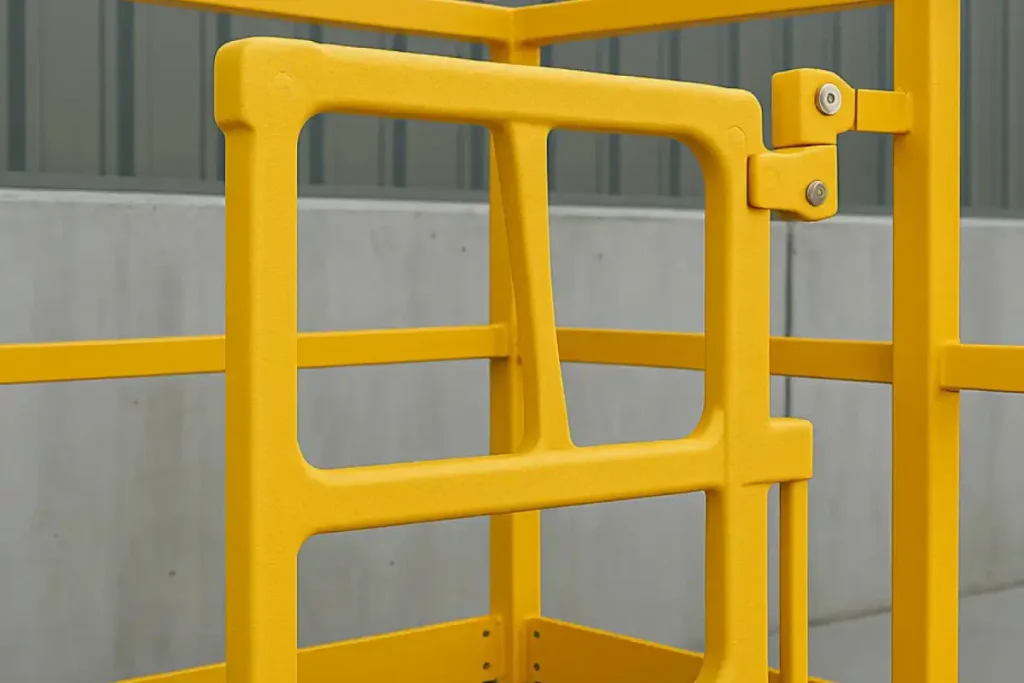
Although corrosion-resistant safety gates are not maintenance-free, their material behaviour often results in reduced intervention requirements. Surface degradation, repainting, or component replacement associated with corrosion is minimised, allowing maintenance efforts to focus on inspection rather than remediation.
This does not eliminate the need for monitoring, but it does support more predictable maintenance planning. Understanding how corrosion resistance influences long-term behaviour helps facility managers interpret wear patterns and performance changes accurately.
Understanding Corrosion-Resistant Safety Gates in Context
A corrosion-resistant safety gate should be viewed as part of a broader safety system rather than a standalone component. Its performance is influenced by material properties, environmental exposure, and operational conditions. By understanding how corrosion resistance supports structural stability and functional reliability, stakeholders gain clearer insight into safety gate behaviour over time.
This perspective reinforces the importance of material performance analysis in industrial safety applications and highlights why corrosion resistance remains a key factor in environments where long-term exposure cannot be avoided.