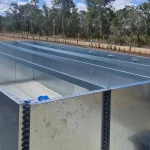
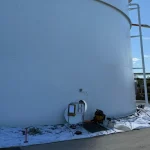
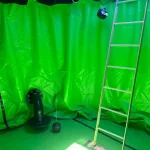
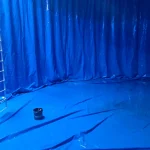
Water storage tanks play a critical role across commercial, industrial, manufacturing, and municipal facilities. Over time, however, even the most durable tank systems begin to show signs of wear. Corrosion, coating failure, gasket deterioration, and structural stress can reduce storage capacity and compromise water quality.
When these issues appear, many facility managers assume the tank needs full replacement. But in many cases, tank relining offers a more cost-effective, faster, and longer-lasting solution.
Relining restores the tank’s internal protection system, preventing leaks and corrosion without the expense and downtime of replacing the entire structure.
Why Tank Relining is Often the Better Choice
Replacing a commercial tank can involve:
- Structural demolition and disposal
- Extensive site access planning
- Production shutdowns or restricted facility operations
- Long lead times for new tank fabrication and installation
By contrast, relining allows the existing tank to remain in place, reducing cost and downtime while restoring performance and compliance.
Relining is especially effective for:
- Stainless steel panel tanks
- Welded steel tanks
- Concrete water tanks
- Fire water storage tanks
- Industrial process water tanks
Over time, stainless steel panel tanks may develop leaks due to gasket wear or internal coating failure. When signs of corrosion appear, applying corrosion-resistant tank lining solutions is an effective way to extend service life without full replacement.
Key Signs it’s Time to Re-Line Your Storage Tank
- 1. Visible Corrosion or Rust Streaking: Internal steel surfaces corrode when the protective coating or liner fails, exposing the metal. Relining halts corrosion progression and restores a protective barrier.
- 2. Discoloration or Contaminated Water: This indicates deterioration inside the tank that can affect water purity and safety.
- 3. Minor or Developing Leaks: Leaks are often the result of gasket wear or internal coating breakdown. Relining at this stage prevents the problem from escalating into a costly structural repair or full replacement.
- 4. Flaking or Peeling Internal Coating: Once the coating begins to fail, corrosion accelerates quickly. Relining stops the damage early.
- 5. Age of Tank (10+ Years in Service): Proactive relining extends service life and avoids emergency failures.
How Tank Relining Works
The relining process typically includes:
- Draining and cleaning the tank
- Inspecting for structural or surface damage
- Repairing joints, bolts, welds, or concrete cracks
- Installing a durable corrosion-resistant liner
- Testing water integrity before returning the tank to service
Raven Engineering Group uses high-performance industrial liner materials engineered for long-term chemical and water resistance, depending on your tank type and operating conditions.
Benefits of Relining Over Replacement
| Benefit | Relining | Replacement |
|---|---|---|
| Cost | Much lower | High |
| Downtime | Minimal | Extended |
| Structural disruption | None | Full removal and rebuild |
| Extends Service Life | Yes | Yes, but at greater expense |
| Water Quality Protection | Strong | Strong |
Relining restores your tank to as-new performance without the major capital investment of replacement.
Industries that Benefit Most From Tank Relining
- Power generation & utilities
- Manufacturing facilities
- Food & beverage production
- Municipal water treatment
- Fire safety and emergency systems
- Agriculture and irrigation operations
These sectors rely on continuous water access—making relining the most practical and cost-efficient service option.

Why Work with Raven Engineering Group
Raven Engineering Group specializes in custom-fit industrial tank liners, designed for long service life and high performance.
Our team provides:
- On-site assessment and inspection
- Engineering-grade liner fabrication
- Precision relining installation
- Ongoing tank maintenance support
We tailor every liner to match the tank’s dimensions, water type, and operational environment.
Conclusion
If your water storage tank is showing corrosion, leaks, or coating failure, relining may be the most efficient and cost-effective solution. By restoring the tank’s protective barrier, water tank relining extends lifespan, maintains performance, and avoids costly replacements. To determine whether relining is right for your tank, schedule a professional inspection.