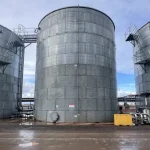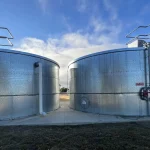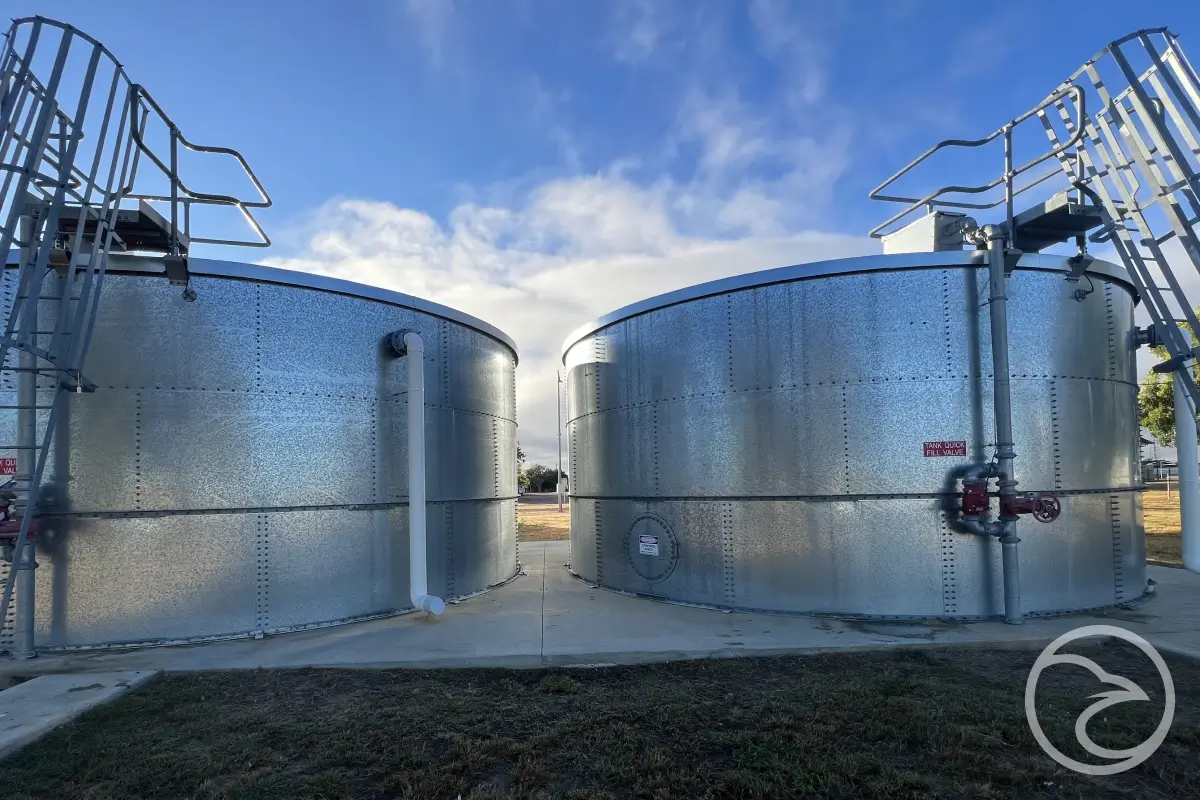
Water storage infrastructure must balance durability, scalability, and cost efficiency. Traditional welded steel or concrete tanks can be effective, but they often involve long construction timelines and complex site preparation. The advantages of bolted water tank systems have made them a preferred solution for commercial, industrial, and municipal applications.
Understanding these benefits helps asset owners select storage solutions aligned with long-term operational goals.
1. Modular Design and Scalability
One of the primary advantages of bolted water tank systems is their modular construction. Tanks are assembled from prefabricated panels that are bolted together on-site. This design allows:
- Flexible capacity sizing
- Easy transportation of components
- Adaptation to restricted job sites
- Future expansion without full replacement
Because panels are manufactured off-site, installation becomes more efficient and predictable.
2. Faster Installation Time
Compared to poured concrete or welded steel tanks, bolted systems typically require shorter installation periods. Prefabricated components reduce on-site fabrication work.
Installation efficiency results in:
- Reduced labor costs
- Shorter project timelines
- Minimal disruption to operations
- Faster commissioning
For facilities with tight deadlines, this speed can be a significant advantage.
3. Reduced Transportation and Site Constraints
Large welded or concrete tanks often require extensive transport logistics and heavy lifting equipment. Bolted systems, by contrast, are delivered as individual panels that can be handled more easily.
This makes them ideal for:
- Remote locations
- Constrained urban sites
- Rooftop installations
- Areas with limited crane access
The ability to transport smaller components simplifies planning and reduces infrastructure strain.
4. Maintenance and Component Replacement
Another key advantage of bolted water tank systems is maintainability. Because tanks are built from sectional panels, damaged sections can be removed and replaced individually without dismantling the entire structure.
This approach offers:
- Targeted repairs
- Lower lifecycle costs
- Reduced downtime
- Improved long-term asset management
In many applications, panel water tanks are used specifically because of their serviceability and modular repair capability.
5. Corrosion Protection Options
Bolted water tank systems can be manufactured from galvanized steel, coated steel, stainless steel, or composite materials. Protective linings and coatings can also be integrated to enhance corrosion resistance.
This flexibility allows engineers to match material selection to:
- Local climate conditions
- Water chemistry
- Industrial exposure risks
- Regulatory requirements
Proper material pairing significantly extends service life.
6. Structural Strength and Engineering Control
Modern bolted tank systems are engineered using precise load calculations. Structural reinforcement, internal bracing, and sealed joints ensure stability under hydrostatic pressure.
Engineering benefits include:
- Consistent panel thickness
- Uniform load distribution
- Secure bolted connections
- Adaptability to seismic or wind load conditions
With proper design and installation, bolted systems meet stringent safety and compliance standards.
7. Expandability for Future Demand
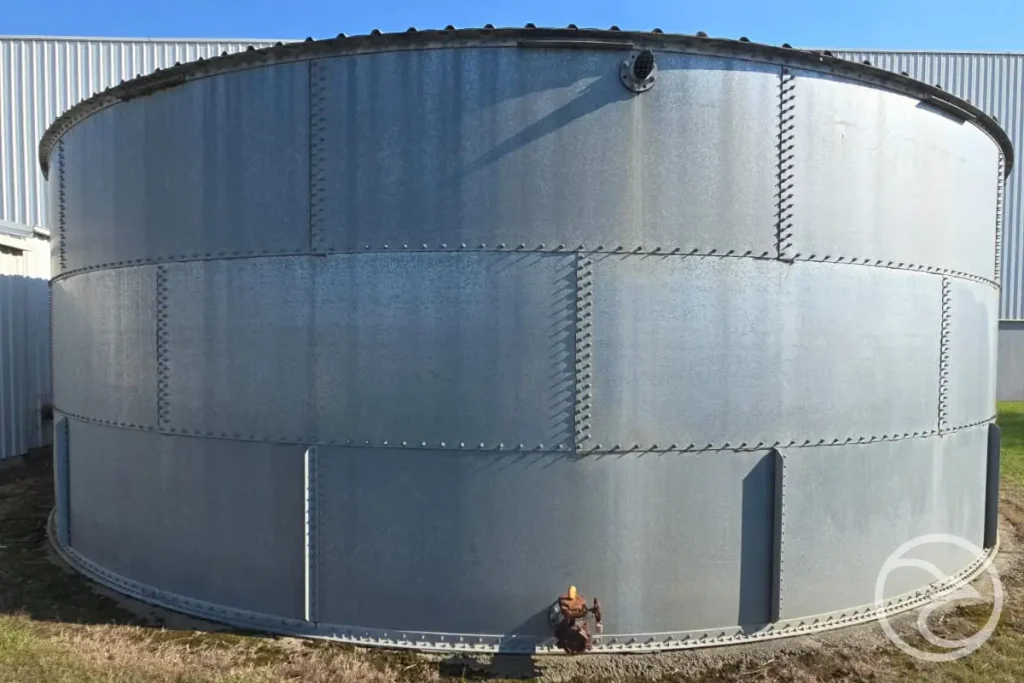
Infrastructure needs often change over time. One of the overlooked advantages of bolted water tank systems is their expandability. Additional panels can be added to increase capacity without demolishing the original tank.
This scalability supports:
- Industrial growth
- Municipal population increases
- Changing operational requirements
- Phased infrastructure planning
Such flexibility reduces long-term capital expenditure.
8. Cost Efficiency Over the Lifecycle
While initial costs vary depending on size and materials, bolted systems often deliver lower lifecycle costs compared to monolithic alternatives.
Savings may result from:
- Reduced installation labor
- Lower transportation expenses
- Simplified maintenance
- Expandable design
Over decades of use, these factors contribute to strong return on investment.
Final Thoughts
The advantages of bolted water tank systems include modular scalability, faster installation, simplified maintenance, and long-term cost efficiency. Their adaptable design and engineered strength make them suitable for a wide range of commercial and municipal applications.
For a broader overview of modular storage solutions, you can explore our dedicated product page.
As infrastructure planning increasingly prioritizes flexibility and lifecycle performance, bolted systems continue to play a central role in modern water storage solutions.