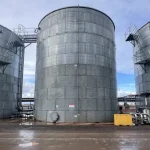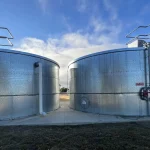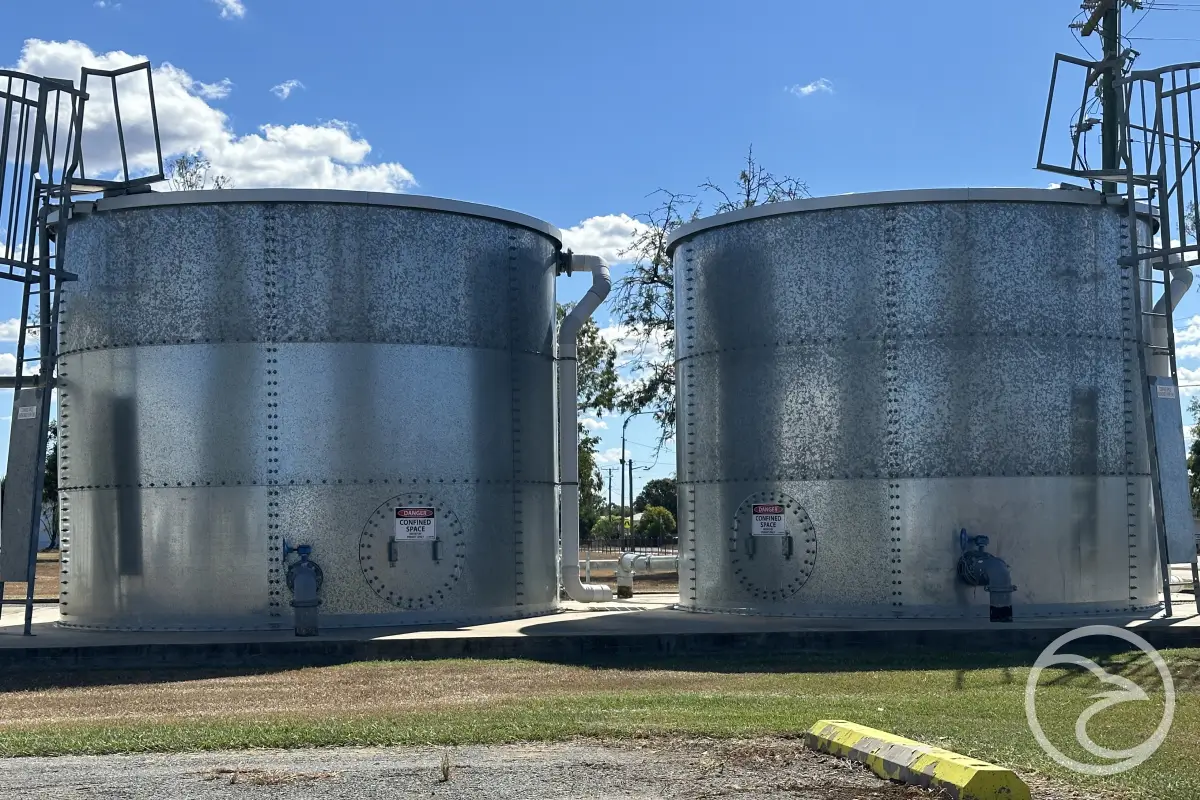
Large-scale water storage systems play a critical role in supporting commercial, industrial, and infrastructure projects where consistent and reliable water supply is essential. These systems are designed to store significant volumes of water for operational use, emergency reserves, and long-term demand management across a wide range of environments.
This article provides an overview of large-scale water storage systems, how they are used, and the key factors that influence their design and application.
What Defines a Large-Scale Water Storage System?
A large-scale water storage system is designed to hold substantial water volumes beyond the capacity of standard residential or small commercial tanks. These systems are typically used to support facilities, campuses, industrial operations, or infrastructure networks that require dependable water availability.
Such systems may serve multiple purposes, including potable water supply, process water storage, fire protection reserves, or utility support. Their scale and complexity require careful planning to ensure performance, safety, and long-term reliability.
Common Applications of Large-Scale Water Storage
Large-scale water storage systems are used across many sectors, including:
- Commercial and institutional buildings
- Industrial plants and manufacturing facilities
- Healthcare and education campuses
- Utility and infrastructure projects
- Emergency and fire protection systems
Each application places different demands on storage capacity, system layout, and operational performance.
Design Considerations for Large-Scale Storage
Designing large-scale water storage systems involves more than increasing tank size. Engineers must account for site conditions, access limitations, and integration with existing infrastructure.
Key design considerations include:
- Required storage volume and peak demand
- Available installation space and structural support
- Environmental exposure and operating conditions
- Water quality and regulatory requirements
- Future expansion or system modification needs
Addressing these factors early helps ensure that the system performs reliably over its service life.
Modular Approaches in Large-Scale Systems
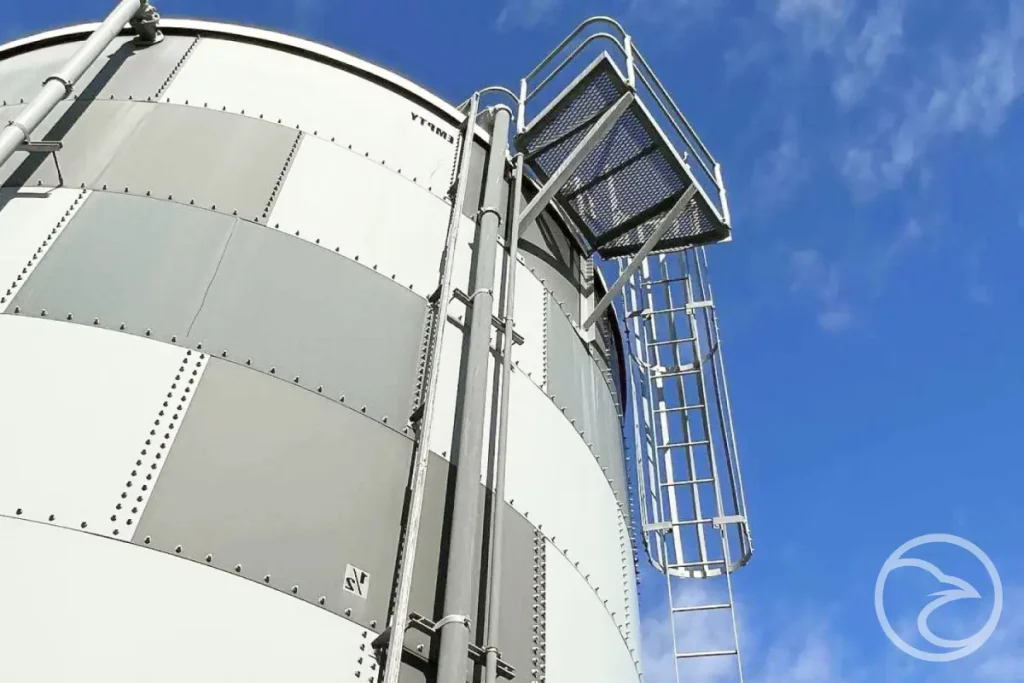
Many large-scale water storage systems use modular construction principles. Modular designs allow systems to be assembled from individual components, making it easier to transport, install, and adapt storage capacity to project requirements.
This approach is particularly valuable for sites with limited access or where phased development is expected. Modular systems also support scalability, allowing capacity to be increased without replacing the entire storage structure.
Integration with Distribution and Safety Systems
Large-scale water storage systems are often integrated with broader distribution networks and safety infrastructure. This includes connections to pumping systems, treatment equipment, monitoring devices, and fire protection systems.
Proper integration ensures consistent water delivery, pressure control, and system monitoring. It also supports compliance with safety and operational standards relevant to the specific application.
Long-Term Operation and Maintenance
The long-term performance of large-scale water storage systems depends on design quality, material selection, and maintenance planning. Regular inspections help identify structural changes, joint movement, or wear that may develop over time.
Because these systems represent critical infrastructure, maintenance strategies are typically focused on reliability, risk reduction, and minimizing operational disruptions rather than frequent component replacement.
Final Thoughts
Large-scale water storage systems are essential for projects that depend on reliable and scalable water supply. By understanding how these systems are designed and applied, stakeholders can better plan storage solutions that align with operational needs and long-term infrastructure goals.
Rather than being defined by a single configuration or material, large-scale storage systems represent a flexible framework that supports diverse applications across commercial, industrial, and infrastructure environments.
Additional background on large-capacity water storage planning can be found in this overview.