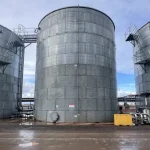
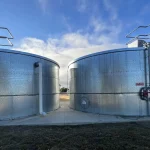
Modular water storage has become a widely adopted approach across commercial, industrial, and infrastructure projects. Instead of relying on single-piece tanks, modular systems use interconnected components to create flexible storage solutions that can be adapted to different environments and capacity requirements. This design philosophy offers several functional and operational advantages that extend beyond simple storage.
This article explores the key benefits of modular water storage and explains why modular systems are increasingly used in modern water infrastructure.
Flexibility in Design and Capacity
One of the primary benefits of modular water storage is its design flexibility. Modular systems are built from individual sections that can be combined in various configurations. This allows storage capacity to be tailored precisely to project requirements rather than forcing a one-size-fits-all solution.
As demand changes, modular systems can often be expanded or adjusted by adding or reconfiguring sections. This adaptability makes them suitable for both initial installations and long-term infrastructure planning.
Adaptability to Challenging Locations
Modular water storage systems are especially effective in locations where access is restricted. Because components are transported individually, systems can be assembled in areas where large pre-fabricated tanks would be difficult or impossible to install.
This includes rooftops, basements, plant rooms, and confined service areas. The ability to assemble storage structures on-site reduces logistical constraints and broadens the range of viable installation environments.
Efficient Use of Space
Another key benefit of modular water storage is space efficiency. Modular designs allow storage systems to be shaped around existing structural constraints, making better use of available floor area and vertical clearance.
Instead of adapting a site to fit a tank, modular systems adapt to the site itself. This is particularly valuable in retrofit projects, where space limitations are common.

Structural Reliability Through Distributed Load
Modular water storage systems are designed to distribute internal water pressure across multiple connected components. This load distribution reduces stress concentration and supports overall structural stability.
By spreading forces evenly across sections, modular systems can maintain performance under varying load conditions. Internal supports and connection systems further enhance stability, especially in larger-capacity configurations.
Simplified Transportation and Handling
Transporting large, single-piece storage tanks can be complex and costly. Modular water storage systems simplify logistics by breaking the structure into manageable components.
Smaller sections are easier to handle, store, and transport, reducing the risk of damage during delivery. This logistical efficiency often translates into smoother project coordination and fewer access-related challenges.
Long-Term Maintainability
Maintenance is another area where modular water storage offers clear advantages. Because systems are composed of individual sections, inspection and maintenance can be more targeted.
If wear or deterioration occurs, specific components can often be addressed without dismantling the entire structure. This modular approach supports long-term asset management and can help extend the overall service life of the system.
Material Versatility
Modular water storage systems can be constructed using different materials, depending on performance requirements and environmental conditions. This versatility allows systems to meet a wide range of regulatory, durability, and water quality standards.
Rather than being defined by a single material, modular storage is a design framework that accommodates different technical needs across applications.
Final Thoughts
The benefits of modular water storage extend beyond flexibility alone. By offering adaptable design, efficient space usage, structural reliability, and long-term maintainability, modular systems provide a practical solution for evolving water storage demands.
Rather than focusing on a specific product type, modular water storage represents a scalable and resilient approach that aligns with modern infrastructure planning and operational requirements.
For a broader perspective on scalable storage design used across different infrastructure environments, additional technical context is available here.