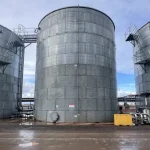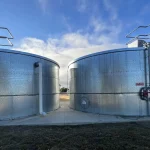
Sectional water storage systems are widely used in commercial, industrial, and municipal environments where flexibility, scalability, and efficient space usage are critical. Unlike traditional one-piece tanks, sectional systems are built from individual panels that are assembled on-site to form a complete water storage structure. This modular approach allows them to adapt to a wide range of site conditions and capacity requirements.
This article explains how sectional water storage systems work, how they are constructed, and why modular designs have become a standard solution for modern water storage needs.
What is a Sectional Water Storage System?
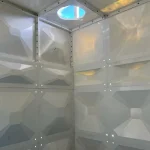
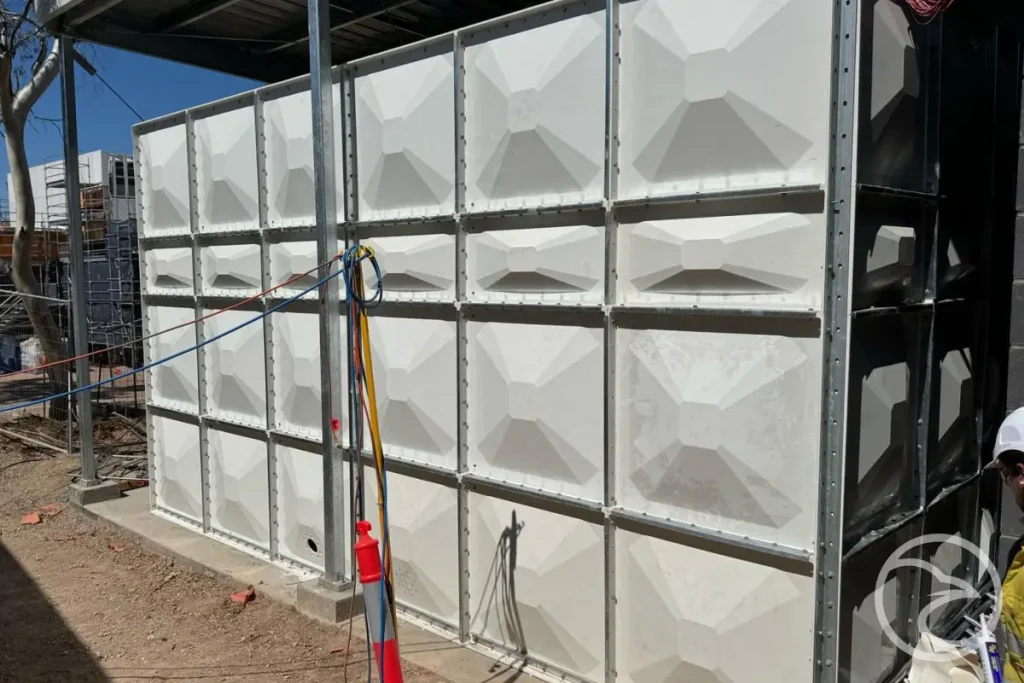
A sectional water storage system is a tank made from prefabricated panels that are bolted together during installation. Each panel forms part of the tank’s walls, base, or roof. Once assembled, the panels create a sealed structure capable of storing potable or non-potable water, depending on the application and materials used.
Because the tank is constructed in sections, it can be installed in locations where access is limited, such as rooftops, plant rooms, or confined service areas.
Core Components of Sectional Systems
Although designs may vary, most sectional water storage systems consist of the following elements:
- Wall panels that form the tank’s sides
- Base panels or a prepared foundation that supports the structure
- Roof panels to protect stored water from contamination
- Bolts and fasteners that connect panels securely
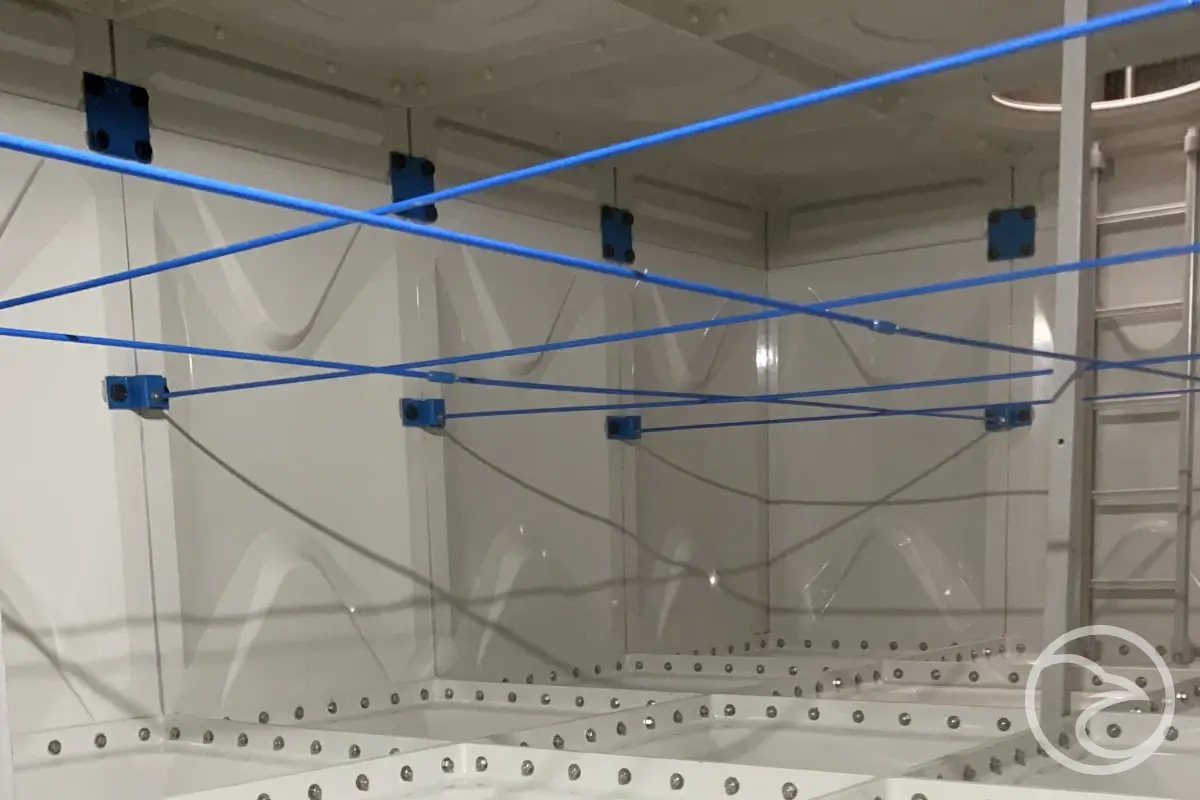
- Sealing gaskets placed between panels to prevent leakage
- Internal supports or bracing, depending on tank size and height
Each component plays a role in ensuring structural integrity, watertight performance, and long-term reliability.
How Sectional Water Storage Systems Work
The system functions as a unified structure once all panels are assembled and sealed. Water pressure is distributed evenly across the connected panels, while internal reinforcements help manage stress and movement.
The modular design allows the tank to expand or contract in size. Additional panels can be added to increase capacity, or sections can be removed if storage needs change. This adaptability is one of the defining characteristics of sectional water storage systems.
Sealing systems are critical to performance. Gaskets or liners between panels create a continuous barrier that prevents leaks and protects the tank from internal water pressure.
Materials Used in Sectional Systems
Sectional water storage systems can be manufactured from various materials, depending on performance requirements and environmental conditions. Common materials include:
- Glass-reinforced plastics
- Galvanized or coated steel
- Stainless steel
Each material offers different advantages in terms of corrosion resistance, weight, durability, and maintenance needs. The choice of material often depends on water quality requirements, climate conditions, and regulatory standards.
Why Modular Design Matters
Modular construction is the key advantage of sectional water storage systems. It allows tanks to be:
- Installed in restricted or elevated locations
- Transported efficiently in individual sections
- Custom-sized to match exact capacity requirements
- Modified or expanded without replacing the entire system
This design approach also simplifies logistics and reduces installation challenges compared to large, pre-assembled tanks.
Maintenance and Longevity Considerations
Properly designed sectional water storage systems are built for long-term use. Routine inspections typically focus on panel joints, seals, and structural supports. Because the system is modular, individual components can often be repaired or replaced without dismantling the entire tank.
Material selection and correct assembly play a significant role in extending service life and maintaining water quality over time.
Final Thoughts
Sectional storage systems combine modular construction with structural reliability, making them a practical solution for a wide range of storage requirements. By understanding how these systems are designed and how they function, facility managers and engineers can better assess their suitability for different applications.
Rather than being defined by a single material or configuration, sectional systems are best understood as a flexible framework that adapts to space, capacity, and operational needs.
To explore how modular water storage solutions are applied in real-world engineering projects, additional technical information is available here.