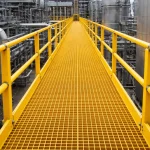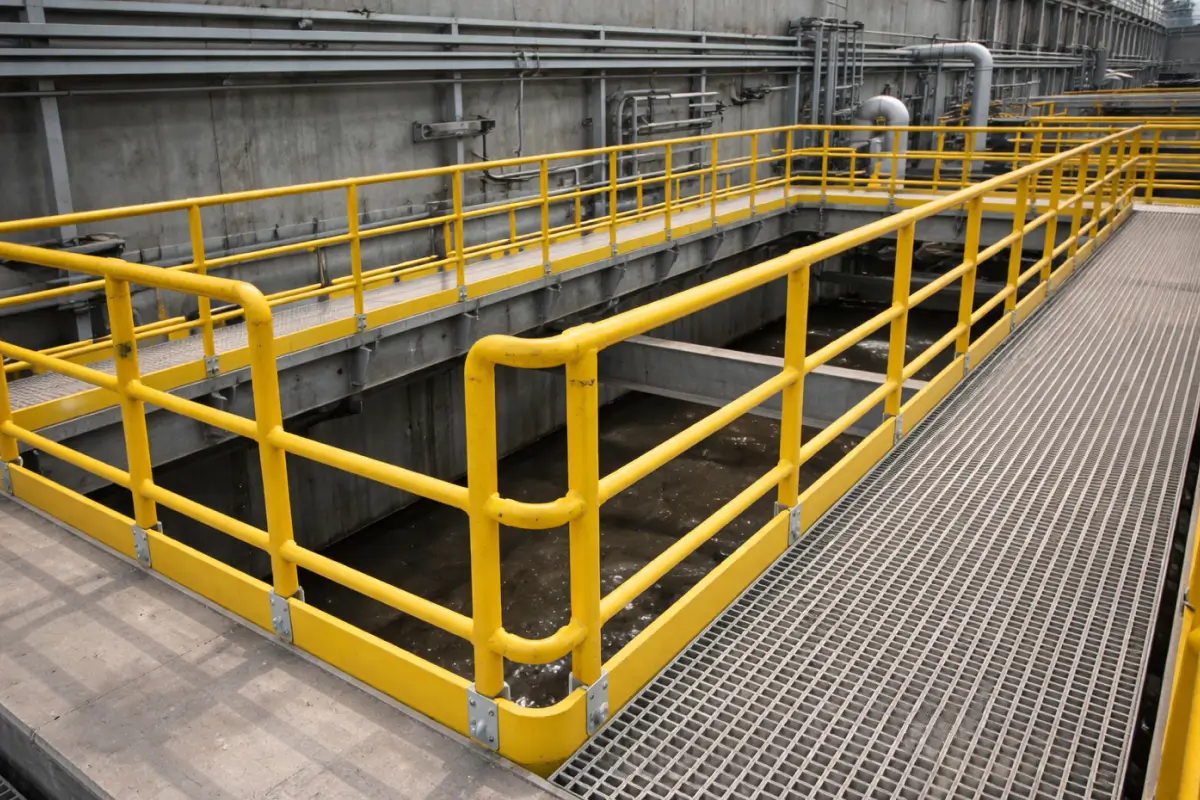
Industrial handrails play an important role in workplace safety, infrastructure protection, and operational reliability. Found in manufacturing facilities, water treatment plants, commercial buildings, transportation infrastructure, and industrial processing environments, handrails provide essential support for movement, fall prevention, and compliance with safety regulations.
Understanding the advantages of industrial handrails helps infrastructure planners and facility managers create safer environments while supporting long-term structural performance.
Enhancing Workplace Safety
The primary function of industrial handrails is to improve safety. Elevated walkways, staircases, platforms, and access routes often present fall risks, particularly in busy or hazardous industrial settings. Handrails help reduce these risks by providing stable physical support.
Clear safety infrastructure can also improve worker confidence and mobility. When employees feel secure navigating elevated areas, operational efficiency and workplace confidence often increase.
Supporting Regulatory Compliance
Industrial environments frequently operate under safety standards that require fall protection measures. Handrails form a fundamental part of compliance strategies in sectors such as manufacturing, infrastructure maintenance, energy production, and public facilities.
Properly designed handrail systems contribute to safer operational practices while helping facilities align with workplace safety expectations.
Durability in Challenging Environments
Industrial conditions can be demanding. Exposure to moisture, chemicals, UV radiation, vibration, and temperature fluctuations can affect infrastructure materials over time. Industrial handrails are typically designed to withstand these conditions while maintaining structural integrity.
Material choice plays a major role. Steel offers strength, aluminium provides lightweight corrosion resistance, and composite materials can deliver durability in chemically aggressive environments.
Flexibility in Material Selection
Modern industrial infrastructure increasingly benefits from diverse material options. Engineers often select materials based on environmental exposure, structural requirements, maintenance expectations, and lifecycle cost considerations.
In some projects, Hybrid Handrail Systems are referenced as examples of combining different materials to balance strength, corrosion resistance, and long-term durability without relying solely on a single construction approach.
Long-Term Maintenance Benefits
Durable handrail systems contribute to lower long-term maintenance requirements. Corrosion-resistant materials, protective coatings, and thoughtful design strategies can extend operational lifespan and reduce repair frequency.
Lifecycle planning increasingly considers not only installation costs but also maintenance demands, operational disruptions, and long-term performance stability.
Supporting Infrastructure Efficiency
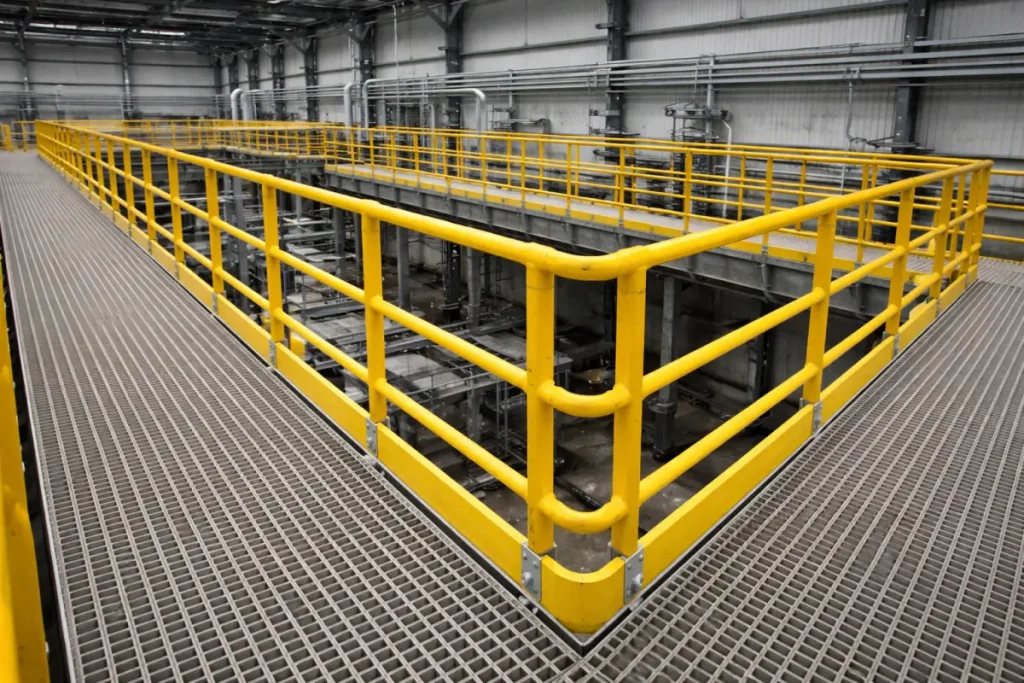
Handrails contribute to more than just safety. They help organise movement within facilities, guide personnel safely through operational areas, and improve accessibility. Clear physical guidance reduces confusion and supports efficient workflow.
Well-designed handrails also enhance visual safety cues, particularly in complex industrial environments where multiple operational zones exist.
Strengthening Overall Infrastructure Safety
Industrial handrails remain a fundamental element of safe infrastructure design. Their benefits extend beyond fall prevention to include compliance support, durability, operational efficiency, and long-term infrastructure resilience.
Additional information on industrial handrail system design approaches can help provide useful context when evaluating safety infrastructure solutions.
By understanding the advantages of industrial handrails, organisations can create safer working environments, improve infrastructure reliability, and support sustainable facility management practices.