Water tank inspections are essential for maintaining structural integrity, water quality, and reliable storage operations. However, traditional inspections often require draining the tank before personnel can examine internal surfaces.
Draining a large water tank can create operational challenges. Facilities may need alternative water supplies, additional labour, and extended maintenance windows.
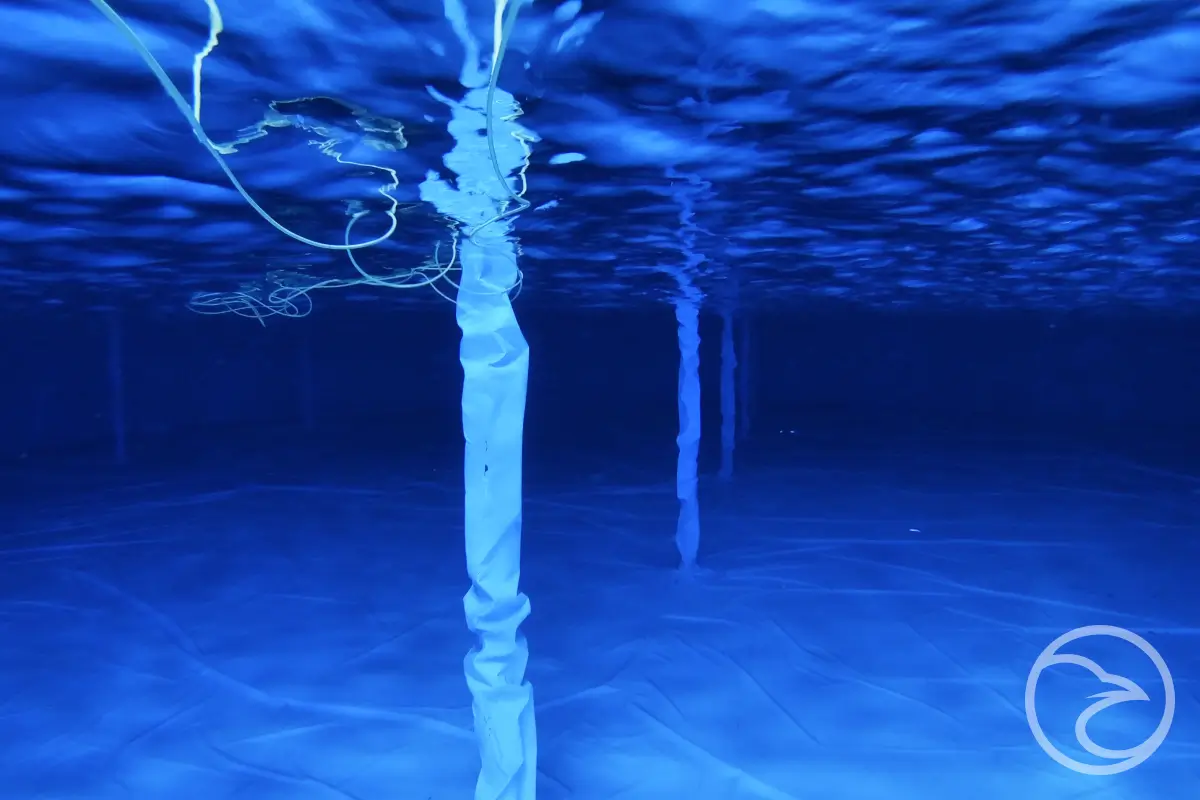
Fortunately, some inspections can be completed while the tank remains filled. Underwater inspection technology allows specialists to examine submerged surfaces using remotely operated vehicles, commonly known as ROVs.
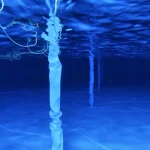
These devices use cameras and lighting systems to capture visual information from inside water tanks. They can help identify corrosion, sediment accumulation, coating deterioration, and other visible defects without requiring complete drainage.
However, underwater inspections have limitations. Some defects require additional testing or direct physical examination. Understanding how these inspections work helps facility managers select appropriate methods and maintain reliable water storage systems.
Can Water Tanks be Inspected without Draining?
Yes, many water tanks can undergo visual inspections without being completely drained. Underwater inspection equipment allows technicians to examine internal surfaces while the tank contains water.
This approach is particularly useful for facilities where water storage continuity is important.
Examples include:
-
Fire protection water storage systems.
-
Industrial water storage tanks.
-
Municipal water storage facilities.
-
Selected potable water tanks.
-
Process water storage systems.
-
Large commercial water tanks.
However, not every tank is suitable for underwater inspection. Accessibility, water clarity, tank configuration, and safety requirements influence whether the method is appropriate. Some inspection objectives also require direct contact with internal surfaces.
For example, a camera may reveal visible corrosion without determining the remaining metal thickness. Additional testing may be necessary to assess structural condition.
Underwater inspection should therefore be considered one method within a broader tank maintenance programme.
Why do Traditional Inspections Require Draining?
Traditional internal inspections often involve personnel entering an emptied tank. Inspectors may need direct access to walls, floors, joints, and internal components.
This access supports detailed examinations and certain testing procedures. However, emptying a tank introduces several operational considerations.
These may include:
-
Temporary loss of water storage capacity.
-
Additional water management requirements.
-
Cleaning and sediment removal.
-
Confined-space entry procedures.
-
Operational interruptions.
-
Refilling and recommissioning activities.
The impact depends on tank size, stored water requirements, and site operations. For critical facilities, maintaining water availability may be especially important.
Underwater inspections can reduce the need for drainage when visual assessment is sufficient.
How does an Underwater Tank Inspection Work?
An underwater tank inspection involves examining submerged tank surfaces using suitable equipment. ROVs are commonly used when remote visual access offers practical advantages.
The inspection process typically includes planning, equipment deployment, visual examination, and reporting. Each stage contributes to the quality of the final assessment.
1. Preparing the Tank for Inspection
Preparation begins with reviewing the tank’s design, operating conditions, and inspection objectives. Inspectors may examine available drawings, maintenance records, and previous inspection findings.
This information helps identify areas requiring particular attention.
Important considerations include:
-
Tank dimensions and configuration.
-
Access opening dimensions.
-
Water clarity.
-
Internal obstructions.
-
Existing coatings or liners.
-
Water quality requirements.
-
Known areas of deterioration.
-
Site-specific safety procedures.
The inspection team also determines whether the selected equipment can safely enter and operate inside the tank. For potable water applications, equipment hygiene and contamination controls require particular attention.
The facility may also need to adjust certain operations before inspection. These requirements depend on the tank and inspection method.
2. Deploying Underwater Inspection Equipment
Once preparation is complete, the inspection team introduces the ROV through a suitable access opening. The vehicle is generally controlled remotely from outside the tank.
An operator uses the camera feed to navigate submerged areas.
Many inspection ROVs include:
-
High-resolution cameras.
-
Underwater lighting.
-
Propulsion systems.
-
Remote navigation controls.
-
Video recording equipment.
-
A communication and power tether.
Equipment capabilities vary between systems. Some vehicles also support additional sensors or specialised inspection attachments.
The selected equipment must suit the tank’s access restrictions and internal conditions.
3. Examining Internal Tank Components
The ROV moves through accessible areas while transmitting visual information to the operator. Inspectors examine surfaces for visible deterioration and unusual conditions.
Areas of interest may include:
-
Tank floors.
-
Internal walls.
-
Panel joints.
-
Structural connections.
-
Pipe penetrations.
-
Internal supports.
-
Protective coatings.
-
Liner surfaces.
-
Sediment accumulation areas.
Inspection coverage depends on visibility, access, and equipment manoeuvrability. Obstructions may prevent complete examination of certain locations.
The operator may adjust camera angles and lighting to improve visibility. However, lighting cannot eliminate every visibility limitation.
4. Recording and Reviewing Inspection Findings
Video recordings provide a visual record of accessible tank conditions. Inspectors can review footage to identify defects and document areas requiring attention.
Inspection reports may include:
-
Tank identification and inspection date.
-
Equipment and inspection method.
-
Areas examined.
-
Observed deterioration.
-
Photographic evidence.
-
Visibility limitations.
-
Areas that could not be inspected.
-
Recommendations for further assessment.
Clear documentation helps facility managers compare findings across multiple inspections. It also supports maintenance planning and future investigations.
Professional Underwater Tank Inspections can provide valuable visual information when draining is impractical or unnecessary.
What is an ROV and how is it Used in Tank Inspections?
An ROV is a remotely operated underwater vehicle controlled by an operator. These devices are used in environments where direct human access may be difficult or undesirable.
In water tanks, ROVs primarily support remote visual examination. Their cameras allow operators to inspect submerged surfaces from outside the tank.
Cameras, Lighting and Navigation
An inspection ROV typically uses an underwater camera to transmit live images. Integrated lighting helps illuminate surfaces in enclosed or poorly lit tanks. Propulsion systems allow the vehicle to move through accessible areas.
The operator controls movement while monitoring the video feed. Camera quality influences the level of visible detail. However, image resolution is only one factor affecting inspection effectiveness.
Water clarity, distance from surfaces, lighting conditions, and camera positioning also matter. A high-resolution camera cannot reliably identify defects hidden by sediment or heavy deposits.
Accessing Difficult-to-Reach Areas
Water tanks often contain internal components that complicate visual inspections. Examples include support structures, pipework, and connections. ROVs may access some areas that are difficult to observe from an external opening.
Their manoeuvrability depends on vehicle dimensions and tank configuration. Restricted spaces may still prevent access. Tethers can also create navigation challenges around complex internal structures.
Inspection planning should account for these limitations.
Recording Visual Evidence
Video recording is an important feature of ROV inspections. Recorded footage allows inspectors to review observed conditions after the examination. It can also support comparisons during future inspections.
For example, footage may help track changes in visible corrosion or coating deterioration. However, visual evidence should not be confused with a complete structural assessment. A visible defect may require additional investigation to establish its severity.
Specialised ROV Drone Tank Inspection methods support remote examination of submerged tank surfaces and internal components.
What Problems can Underwater Tank Inspections Detect?
Underwater inspections can reveal several types of visible tank deterioration. Their effectiveness depends on inspection conditions and the characteristics of each defect.
Some problems are readily visible, while others remain difficult to detect using cameras alone.
Corrosion and Surface Deterioration
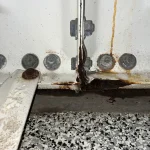
Corrosion is an important concern in many steel water storage systems. Underwater cameras may reveal visible corrosion products, discolouration, and surface deterioration.
Inspectors may also identify areas where protective coatings appear damaged.
Common visual indicators include:
-
Rust-coloured deposits.
-
Surface discolouration.
-
Localised deterioration.
-
Coating breakdown.
-
Unusual surface textures.
However, visual examination cannot reliably determine remaining wall thickness. Corrosion beneath coatings or deposits may also remain hidden.
Additional testing may be required when structural deterioration is suspected.
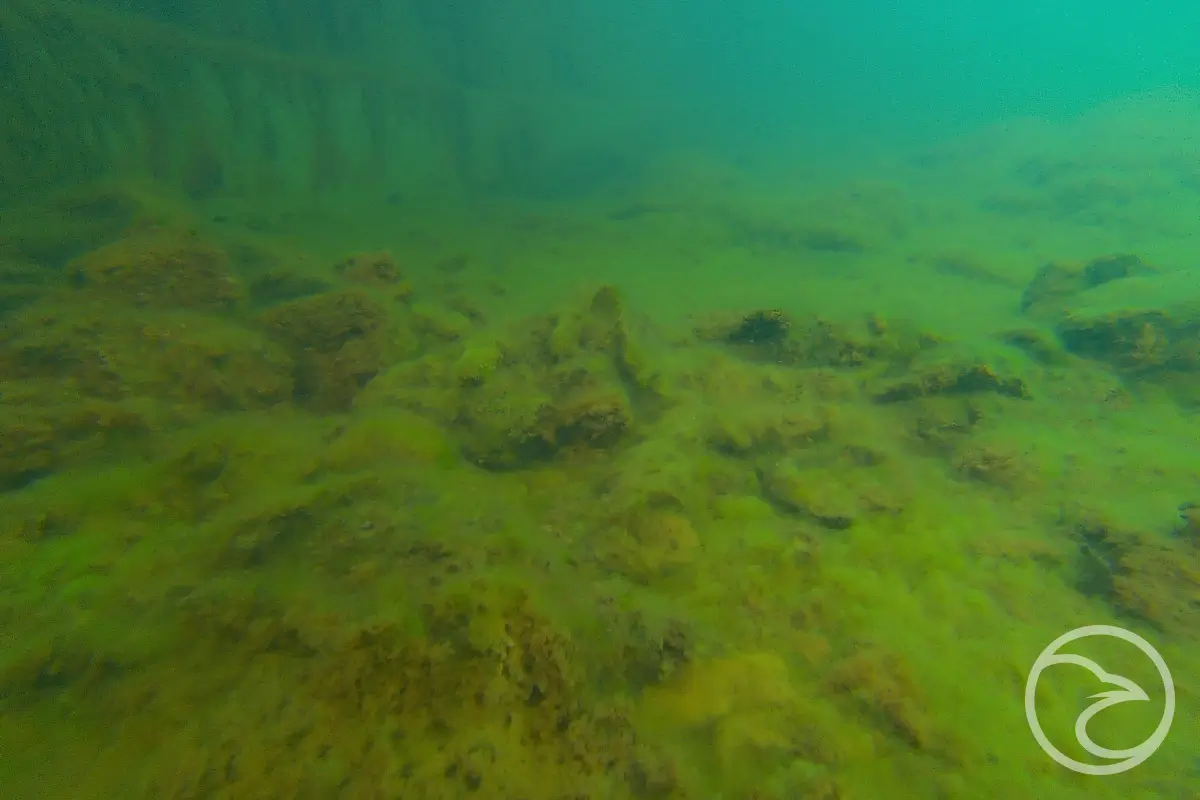
Sediment Accumulation
Sediment can collect on tank floors during normal operation. The amount and composition depend on water characteristics and operating conditions.
ROV cameras may reveal visible sediment deposits. These observations can help identify areas requiring cleaning or further assessment.
Heavy sediment can also obscure underlying surfaces. Consequently, inspection coverage may be limited until deposits are removed.
Coating and Liner Damage
Protective coatings and liners help separate stored water from underlying tank materials. Their condition is important for long-term containment performance.
Underwater cameras may reveal:
-
Visible tears.
-
Coating peeling.
-
Blistering.
-
Surface discolouration.
-
Wrinkles or unusual liner movement.
-
Apparent separation around joints.
Not every visible change indicates functional failure. Some conditions require closer examination or material testing.
Small punctures may also remain undetected during visual inspection.
Structural Irregularities
ROV footage may reveal unusual conditions around accessible structural components. Examples include visible deformation, displaced components, and apparent joint irregularities.
Such findings can indicate areas requiring further investigation. However, cameras cannot establish every structural defect.
Measurements and engineering assessments may be necessary to evaluate structural significance.
Suspected Leakage Areas
Underwater inspection may help locate visible defects associated with suspected leakage. Examples include damaged joints, liner tears, or deteriorated penetrations.
However, an ROV camera does not automatically confirm active leakage. Water movement and pressure conditions can complicate leak identification.
Additional testing may be required to establish the source and severity.
Which Types of Tanks van be Inspected Underwater?
Underwater inspection technology can support several water storage applications. Suitability depends on access, stored liquid, equipment compatibility, and inspection objectives.
Industrial Water Storage Tanks
Industrial facilities use water tanks for manufacturing, processing, cooling, and other operations. Interrupting storage operations may affect production schedules.
Underwater inspections can provide visual information without necessarily removing the stored water. They may help identify corrosion, sediment, and coating deterioration.
However, equipment suitability must reflect the water’s chemical and physical characteristics.
Fire Protection Water Tanks
Fire protection tanks store water for emergency firefighting systems. Maintaining water availability is an important operational consideration.
ROV inspections may allow certain internal conditions to be examined without complete drainage.
Potential observations include:
-
Internal corrosion.
-
Sediment accumulation.
-
Coating deterioration.
-
Visible joint defects.
-
Obstructions around accessible components.
However, inspection methods must align with applicable fire protection requirements. An underwater visual inspection does not automatically replace required testing or other prescribed maintenance.
Potable Water Tanks
Potable water storage requires careful attention to hygiene and contamination prevention. Underwater inspection equipment must be appropriate for drinking water environments.
Cleaning and disinfection procedures may be necessary before equipment deployment. Relevant water quality requirements must also be considered.
Not every ROV system is suitable for potable water applications. Facility operators should verify equipment suitability before proceeding.
Steel and Concrete Water Tanks
Steel and concrete tanks experience different deterioration mechanisms. Steel tanks may develop corrosion or coating defects.
Concrete tanks may experience cracking, joint deterioration, or other surface changes. ROV cameras can document visible conditions on accessible submerged surfaces.
However, subsurface defects may require specialised assessment.
Panel Water Tanks
Panel tanks consist of connected sections forming the storage structure. Their internal surfaces may include joints, fasteners, and structural components.
Underwater inspections can help identify visible changes around accessible areas.
Potential observations include:
-
Joint deterioration.
-
Corrosion around connections.
-
Coating damage.
-
Sediment accumulation.
-
Visible panel irregularities.
However, not all panel defects can be confirmed underwater. Some conditions require direct examination or additional testing.
Explore our panel tank inspection guide to understand different inspection methods and their role in maintaining tank integrity.
ROV Inspection vs Traditional Drained Tank Inspection
ROV inspections and traditional drained inspections serve different purposes. Neither method is universally suitable for every inspection requirement.
The most appropriate approach depends on the tank’s condition and assessment objectives.
| Inspection factor | ROV underwater inspection | Traditional drained inspection |
|---|---|---|
| Tank drainage | Often unnecessary | Usually required |
| Water storage continuity | May be maintained | Often interrupted |
| Internal visual examination | Remote camera-based | Direct access |
| Physical surface examination | Limited without specialised tools | Generally more accessible |
| Visibility | Depends on water clarity | Depends on lighting and surface access |
| Sediment-covered surfaces | May remain obscured | Can be exposed through cleaning |
| Structural testing | Requires suitable additional methods | May allow direct testing |
| Confined-space entry | May avoid internal personnel entry | May require controlled entry |
| Inspection limitations | Access, visibility, equipment capabilities | Drainage, access, safety requirements |
When is an ROV Inspection More Suitable?
ROV inspection may be useful when maintaining water storage capacity is a priority. It is particularly relevant when the objective is to examine visible internal conditions.
The method can support routine condition monitoring and targeted investigations. However, it should not be selected solely to avoid draining.
Inspection requirements must remain the primary consideration.
When is a Drained Inspection Necessary?
A drained inspection may be necessary when direct physical access is required. Examples include detailed surface testing, certain repairs, and cleaning beneath sediment deposits.
It may also be required by applicable standards or inspection procedures. A previous ROV inspection can help identify areas requiring closer examination.
Both methods may therefore form part of the same maintenance strategy.
What are the Limitations of Underwater Tank Inspections?
Underwater inspections offer practical advantages, but their limitations must be understood. An inspection report should clearly identify areas that could not be assessed.
Poor Water Visibility
Water clarity directly affects camera performance. Suspended particles, sediment, and biological growth may reduce visibility.
Heavy turbidity can prevent reliable examination of distant surfaces. Lighting adjustments may improve some conditions.
However, excessive illumination can also increase reflections from suspended particles.
Restricted Access and Internal Obstructions
Some tanks have narrow openings or complex internal configurations. ROV dimensions and tether arrangements can limit navigation.
Internal pipework, supports, and other obstacles may restrict access. These limitations can prevent complete inspection coverage.
Hidden Defects
Visual inspections primarily reveal conditions visible to the camera.
They may not identify:
-
Corrosion beneath intact coatings.
-
Hidden structural cracks.
-
Small defects beneath sediment.
-
Internal material degradation.
-
Certain microscopic coating failures.
-
Defects behind inaccessible components.
Additional testing may be necessary when hidden deterioration is suspected.
Understanding common failure mechanisms is essential for effective inspections, as explained in our article how water tanks fail.
Limited Physical Testing
Standard camera-equipped ROVs do not provide the same capabilities as direct physical inspection. Some specialised vehicles support additional sensors or measurement tools.
However, their capabilities depend on equipment configuration and inspection conditions. Operators should confirm which tests can be performed before selecting a method.
When Should a Water Tank be Inspected?
Inspection schedules depend on tank application, operating conditions, and applicable requirements. There is no single inspection interval suitable for every water storage system.
Facility managers should consider manufacturer recommendations, relevant standards, and site-specific risks. Several situations may justify additional inspection.
Changes in Water Quality
Unexpected discolouration, sediment, or other water quality changes may require investigation. An internal inspection can help identify visible contributing conditions.
However, water quality concerns may also require sampling and laboratory testing.
Suspected Corrosion or Leakage
Signs of corrosion or unexplained water loss should receive appropriate attention. An underwater inspection may help identify visible defects.
Additional investigation may be necessary to confirm their significance.
After Unusual Operating Events
Certain events can affect tank condition. Examples include unusual pressure changes, mechanical impacts, or operational disturbances.
The appropriate inspection method depends on the event and suspected damage.
How to Prepare for an Underwater Tank Inspection
Effective preparation helps inspectors obtain useful visual information. Facility managers should provide relevant information before the inspection begins.
Review Tank Documentation
Available documentation can help the inspection team understand the structure.
Useful records include:
-
Tank drawings.
-
Material specifications.
-
Previous inspection reports.
-
Maintenance history.
-
Known defects.
-
Access opening details.
-
Water quality information.
These records help identify inspection priorities.
Identify Critical Components
Certain components may require particular attention. Examples include panel joints, floor connections, penetrations, and internal supports.
Previous defects should also be reviewed. Identifying priority areas helps guide inspection coverage.
Confirm Equipment Compatibility
Inspection equipment must suit the tank environment. Important factors include water quality, access dimensions, and potential contamination risks.
Special precautions may apply to potable water systems. Equipment should also be suitable for the operating conditions.
Establish Inspection Objectives
The inspection team should understand what information the facility needs. Objectives may include assessing visible corrosion, documenting sediment, or reviewing coating condition.
Clear objectives support more focused reporting. They also help determine whether underwater inspection can answer the required questions.
Conclusion
Water tanks can often be inspected without draining them using suitable underwater inspection technology. ROVs provide remote visual access to submerged surfaces and internal components. They can help identify corrosion, sediment accumulation, coating deterioration, and other visible defects.
This approach may reduce operational interruptions and support ongoing condition monitoring. However, underwater inspections do not eliminate the need for every traditional inspection method.
Water clarity, accessibility, and equipment capabilities influence the quality of findings. Some defects require direct examination, specialised testing, or additional engineering assessment.
Selecting the appropriate inspection method helps facilities maintain reliable water storage systems and plan effective preventive maintenance.