Water storage systems must be reliable, scalable, and suitable for different environments. Steel panel water tanks are widely used due to their strength and adaptability across various applications.
These tanks are a traditional and proven solution, especially in large-scale and industrial systems. This guide explains the key features, uses, and advantages of steel panel water tanks.
What are Steel Panel Water Tanks?
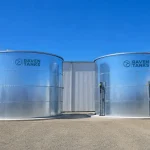
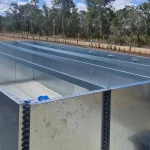
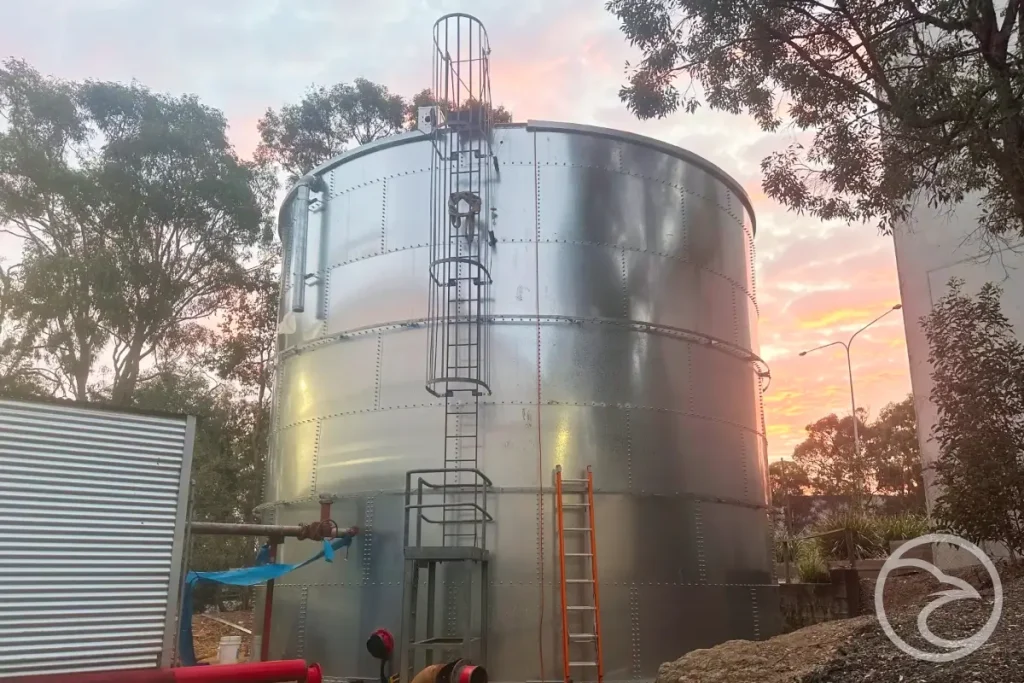
Steel panel water tanks are constructed from individual steel panels that are bolted together on-site. These panels may include different coatings, such as galvanization or protective linings.
The modular design allows tanks to be built in various sizes and configurations.
They are commonly used in:
- industrial facilities
- commercial buildings
- infrastructure projects
- water supply systems
1. High Structural Strength
Steel is known for its durability and load-bearing capacity.
Steel panel tanks can:
- support large volumes of water
- withstand high internal pressure
- maintain structural stability over time
This makes them suitable for demanding environments where strength is essential.
2. Modular Construction
One of the key advantages of steel panel tanks is their modular design.
This allows:
- flexible sizing
- easy transportation
- on-site assembly
Panels can be added or modified depending on project requirements. To better understand modular systems, see what are bolted panel tanks.
3. Wide Range of Coating Options
Steel tanks can be treated with different coatings to improve performance.
Common options include:
- hot-dip galvanizing
- epoxy coatings
- protective linings
These coatings help:
- reduce corrosion risk
- improve durability
- extend service life
For example, HDG panel tanks benefits highlight how galvanization improves corrosion resistance.
4. Suitable for Large-Scale Applications
Steel panel tanks are often used in large projects where capacity is a priority.
They are ideal for:
- industrial water storage
- municipal systems
- infrastructure projects
Their strength and scalability make them a practical choice for high-volume storage.
5. Proven and Established Technology
Steel tanks have been used for decades in water storage systems.
This provides:
- well-documented performance
- established engineering standards
- widespread industry acceptance
Many projects rely on steel due to its familiarity and predictable behavior.
6. Design Flexibility
Steel panel tanks can be designed to fit specific project requirements.
This includes:
- different shapes and sizes
- variable heights and capacities
- integration with existing systems
For more insights into structural aspects, see panel tank design features.
7. Compatibility with Different Systems
Steel tanks can be integrated into various water systems.
They are compatible with:
- pumps and pipelines
- treatment systems
- fire protection infrastructure
This flexibility makes them suitable for both new installations and upgrades.
8. Resistance to Mechanical Stress
Steel provides strong resistance to physical impact and external forces.
This is useful in environments where:
- heavy equipment is used
- external loads may affect the tank
- structural stability is critical
The rigid design helps maintain shape and performance.
9. Maintenance Considerations
Steel panel tanks require regular maintenance to perform effectively.
This includes:
- checking for corrosion
- maintaining protective coatings
- inspecting joints and seals
Maintenance needs are generally higher compared to some alternative materials. For a full overview, see panel tank maintenance guide.
10. Long-Term Performance
Steel tanks can provide reliable performance when properly maintained.
Their lifespan depends on:
- environmental conditions
- coating quality
- maintenance practices
For more details, see panel tank lifespan and how different systems compare.
Limitations to Consider
While steel panel tanks offer many advantages, they also have some limitations.
These include:
- risk of corrosion over time
- higher maintenance requirements
- sensitivity to environmental exposure
In certain conditions, alternative materials may offer improved performance.
When are Steel Panel Tanks the Right Choice?
Steel tanks are a suitable option when:
- high structural strength is required
- large storage capacity is needed
- a traditional and proven solution is preferred
They are often used in industrial and infrastructure projects. For a broader overview of available systems, explore panel tanks and their different types.
Final Thoughts
Steel panel water tanks remain a widely used solution for water storage. Their strength, modular design, and adaptability make them suitable for a wide range of applications.
While they require regular maintenance, they continue to be a reliable choice in many projects.
Understanding their features and limitations helps ensure the right selection for each use case.