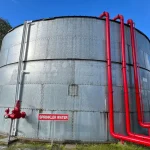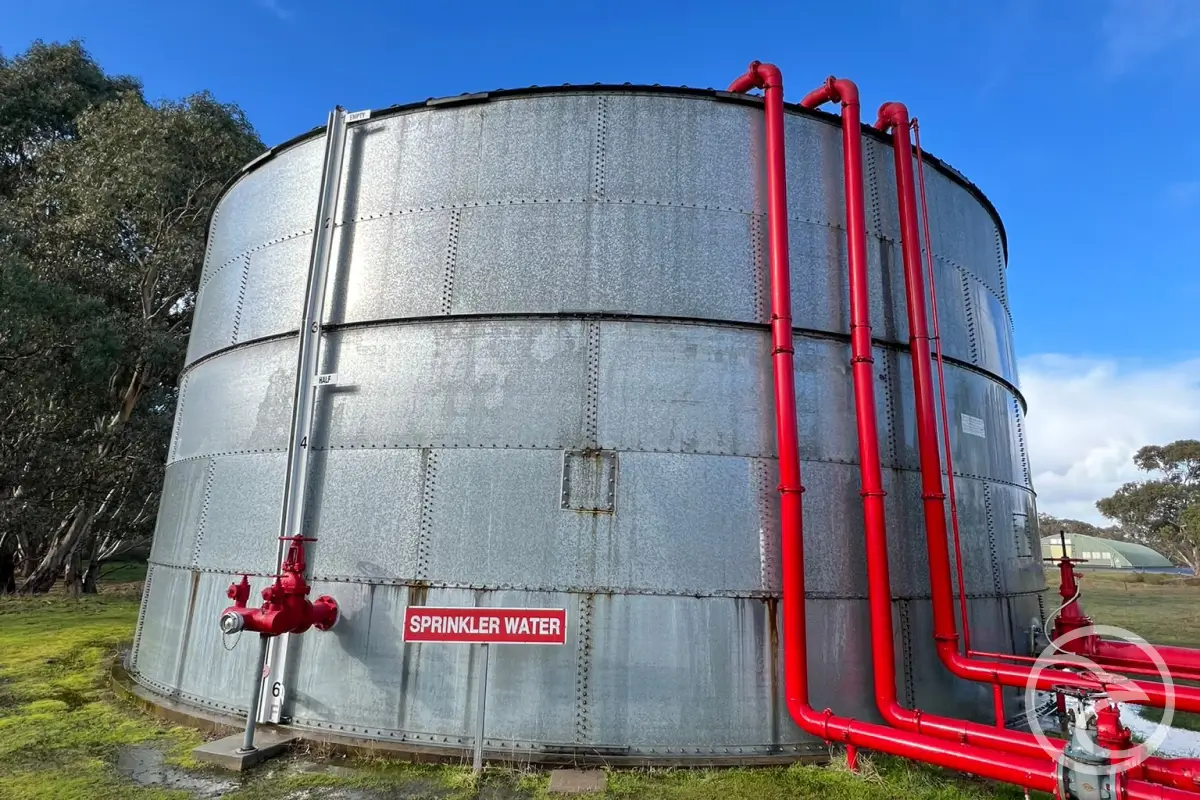
Fire water tanks are essential components of fire protection systems in commercial and industrial facilities. They provide stored water when fire suppression systems require a dependable supply.
However, tank capacity and structural integrity are not the only factors influencing long-term performance. Accessibility also plays an important role in inspection, maintenance, and operational reliability.
Poorly positioned access openings, restricted working areas, and inadequate maintenance platforms can make routine inspections more difficult. These limitations may also increase maintenance costs and complicate necessary repairs.
Understanding fire water tank access requirements helps facility owners plan safer, more practical storage systems.
Why Accessibility Matters for Fire Water Tanks
Fire water tanks must remain available to support fire protection systems when needed. Regular inspections and maintenance help identify conditions that could affect their performance.
A comprehensive panel tank inspection guide can help facility managers understand inspection methods and maintenance considerations for different storage systems.
However, these activities depend on suitable access to critical tank components. Proper accessibility allows maintenance personnel to examine structural elements, inspect connections, and assess internal conditions where necessary.
It also supports efficient maintenance planning and reduces unnecessary operational complications.
Key benefits of well-planned tank accessibility include:
-
Easier access to inspection points and critical components
-
Safer working conditions for maintenance personnel
-
Improved visibility of potential structural problems
-
More efficient cleaning and repair activities
-
Reduced preparation time for scheduled inspections
-
Better long-term maintenance planning
Accessibility should therefore be considered during the initial design stage rather than treated as a secondary operational concern.
Common Fire Water Tank Access Challenges
Fire water tanks are often installed in locations where space, infrastructure, and operational requirements influence their positioning. These constraints can create difficulties during inspections and maintenance.
Limited Space Around the Tank
Tanks installed close to buildings, fences, or other equipment may have restricted external access. Limited clearance can complicate inspections of tank walls, pipe connections, and structural components.
It may also restrict the movement of maintenance equipment. Facility planners should consider future inspection and repair activities when determining tank placement.
Difficult Access to Elevated Components
Large above-ground tanks may have roof openings, vents, and other components positioned several meters above ground level. Without suitable access arrangements, inspecting these areas becomes more challenging.
Temporary access equipment may be necessary when permanent platforms or ladders are unavailable. However, temporary solutions can introduce additional planning requirements and safety considerations.
Inadequate Inspection Openings
Inspection openings that are too small or poorly positioned may limit visibility and equipment access. This can make it difficult to assess certain internal components.
The problem becomes more significant when inspections require specialized equipment or personnel entry. Access openings should accommodate the intended inspection and maintenance methods.
Obstructed Maintenance Areas
Pipelines, electrical equipment, landscaping, and other installations can restrict access around a tank. These obstacles may not interfere with daily operation.
However, they can create difficulties when maintenance teams need to inspect or repair components. Regular site assessments help identify access restrictions before they become significant operational problems.
Fire Water Tank Access Hatches and Inspection Openings
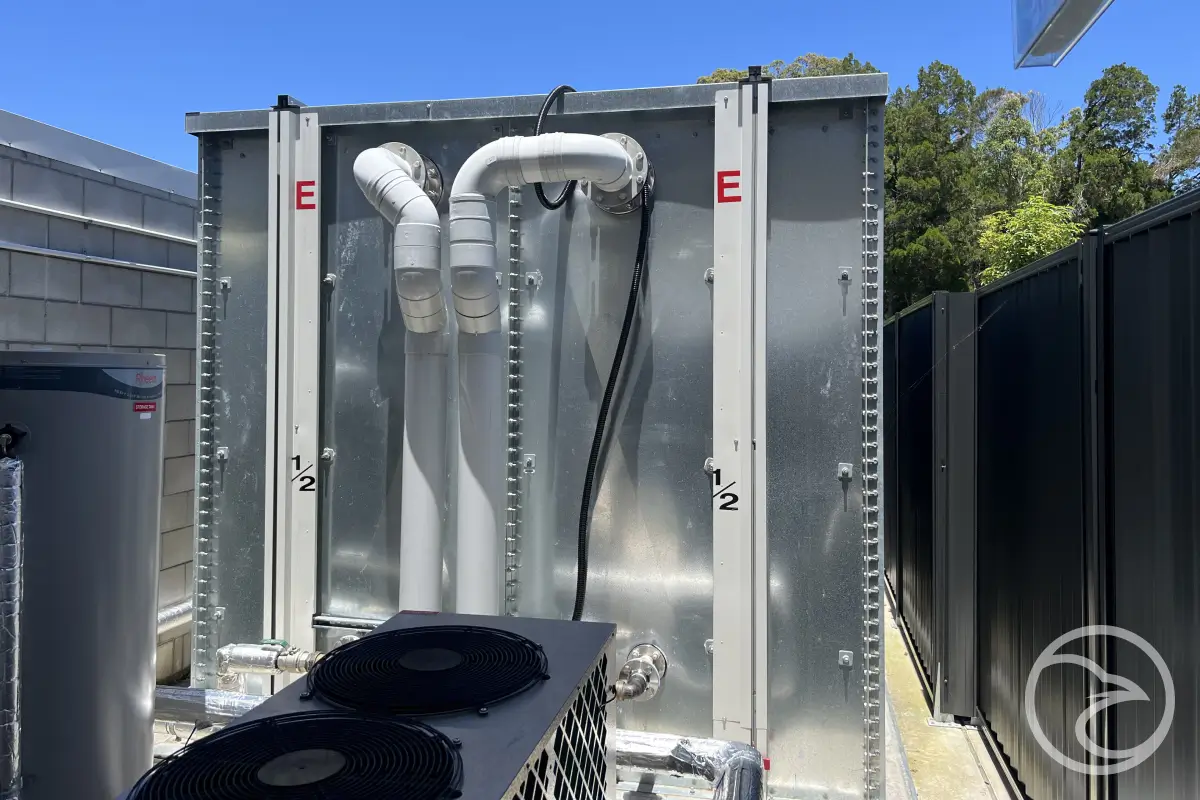
Access hatches provide designated openings for inspecting and maintaining internal tank components. Their location, dimensions, and construction influence how easily personnel or equipment can access the tank.
Why Hatch Placement Matters
A hatch should provide practical access to the areas requiring inspection. Poor positioning may limit visibility or make certain components difficult to reach.
For example, an opening located far from critical connections may complicate internal assessments. Tank geometry and internal structures should influence hatch placement decisions.
Access Hatch Size and Configuration
Inspection openings must be suitable for their intended purpose. An opening used for camera inspection may have different requirements from one intended for personnel entry.
Designers should consider equipment dimensions, safe access procedures, and applicable standards. Hatches should also be designed to maintain the tank’s structural integrity and protect stored water.
Preventing Contamination Through Access Openings
Access hatches must remain properly secured when not in use. Damaged covers, deteriorated seals, or poorly maintained openings may allow unwanted materials to enter.
Depending on the system, contamination can introduce sediment, organic debris, and additional maintenance concerns. Regular checks of hatch covers and sealing components support effective water storage management.
External Access: Ladders, Platforms, and Walkways
External access systems help maintenance personnel reach elevated inspection points and tank components. Their design should reflect the tank’s height, configuration, and expected maintenance activities.
Fixed Ladders
Fixed ladders may provide access to elevated tank areas where appropriate. Their design must account for safe climbing, structural support, and applicable fall protection requirements.
Ladder positioning should also allow personnel to reach designated inspection points without unnecessary obstacles.
Maintenance Platforms
Platforms provide working areas for personnel inspecting elevated tank components. A properly designed platform can improve access to roof hatches, vents, and other maintenance points.
Platform dimensions, load capacity, and structural support should match their intended use.
Walkways and Guardrails
Walkways can connect inspection locations and provide designated access routes. Guardrails and other protective systems may be necessary where fall hazards exist.
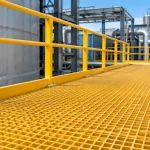
Corrosion-resistant FRP walkways can provide practical access routes for maintenance personnel working around elevated fire water tank components.
Materials should be selected according to environmental exposure, structural requirements, and maintenance expectations. For example, corrosion-resistant structural materials may be suitable for certain industrial environments.
However, material selection must always account for engineering and safety requirements.
How Tank Location Affects Maintenance Accessibility
Tank location influences more than installation costs and available storage capacity. It also determines how easily maintenance teams can reach the system throughout its service life.
Building and Infrastructure Clearance
Installing tanks too close to surrounding structures may limit access to external surfaces. Adequate clearance supports visual inspections and provides working space for maintenance activities.
The required space depends on tank dimensions, equipment arrangements, and the intended maintenance methods.
Ground Conditions and Equipment Access
The surrounding ground should support safe access during maintenance. Uneven surfaces, poor drainage, or unstable ground can complicate equipment positioning.
These conditions may become particularly important when inspections require lifting equipment or temporary platforms.
Access to Pipework and Valves
Fire water tanks connect to pipelines, valves, and other fire protection components. These connections should remain accessible for inspection, testing, and maintenance.
Poorly positioned equipment may require unnecessary dismantling or additional preparation before maintenance can begin.
Future Site Development
Facility expansion can gradually reduce the space available around existing tanks. New buildings, equipment, or utility installations may obstruct previously accessible areas.
Maintenance access should therefore be considered when planning future site modifications.
Safe Access for Fire Water Tank Inspections
Fire water tank inspections may involve elevated work, restricted spaces, and specialized equipment. Safe access planning is essential for managing these activities.
Working at Height
Elevated inspections may expose personnel to fall hazards. Suitable access equipment and fall protection measures should be selected according to the work involved.
In the United States, relevant OSHA requirements may apply depending on the workplace and activity.
Confined Space Considerations
Internal tank entry may involve confined space hazards. Depending on the conditions, a tank may meet the definition of a permit-required confined space.
Potential hazards include restricted entry, hazardous atmospheres, and difficult emergency access. Before entry, qualified personnel must assess the space and establish appropriate safety procedures.
These may include atmospheric testing, isolation, ventilation, communication, and rescue arrangements.
Remote Inspection Methods
Some inspections can be performed without personnel entering the tank. Remote cameras and remotely operated vehicles may provide visibility of submerged internal components.
Modern water tank inspection without draining methods can help assess submerged components while reducing the need for personnel entry.
These methods can reduce the need for certain entry activities. However, remote inspections have limitations and may not replace every required inspection procedure.
Equipment selection depends on inspection objectives, water conditions, and tank configuration.
Accessibility Considerations During Fire Water Tank Design
Accessibility should be integrated into the engineering process from the beginning. Early planning helps reduce the need for costly modifications after installation.
Important considerations include:
-
Location and dimensions of inspection openings
-
Clearance around tank walls and connections
-
Access to elevated roof components
-
Suitable ladder and platform arrangements
-
Safe routes for maintenance personnel
-
Space for inspection and repair equipment
-
Access to valves, pipework, and monitoring components
-
Requirements for future cleaning and internal assessments
Designers should also consider how maintenance activities may change over the tank’s operating life. For example, components that are easily accessible during installation may become difficult to reach after surrounding infrastructure is completed.
Properly designed panel water tanks can incorporate accessible inspection openings, maintenance clearances, and practical access arrangements for long-term operation.
Relevant Standards and Requirements
Fire water storage systems in the United States may be subject to several standards and regulatory requirements. NFPA 22 addresses water tanks used for private fire protection. NFPA 25 covers inspection, testing, and maintenance of water-based fire protection systems.
OSHA requirements may apply to working surfaces, fall protection, and confined space activities. Specific obligations depend on the adopted standard editions, local regulations, system configuration, and work being performed.
Facility owners should confirm applicable requirements with qualified professionals and the relevant authority having jurisdiction.
How Poor Access can Increase Maintenance Costs
Restricted access can increase the time and resources required for routine maintenance. Even relatively simple inspection tasks may become more complicated when personnel cannot easily reach critical components.
Additional Access Equipment
Poorly positioned inspection points may require temporary scaffolding, lifting equipment, or specialized access arrangements. These measures can increase preparation time and maintenance expenses.
Longer Inspection Procedures
Limited access can slow inspections and reduce the efficiency of maintenance activities. Inspectors may need additional equipment or alternative methods to assess difficult-to-reach areas.
More Complex Repairs
Accessible inspection points help maintenance teams identify early warning signs of water tank failure before structural problems become more severe.
Repairing a damaged component becomes more difficult when surrounding infrastructure restricts access. Additional dismantling or temporary equipment may be necessary.
Operational Disruption
Some maintenance activities may require temporary changes to system operation. Where fire protection availability is affected, appropriate impairment management procedures are essential.
Good accessibility can simplify maintenance planning and help minimize avoidable disruption.
Best Practices for Maintaining Fire Water Tank Accessibility
Accessibility requires ongoing attention after installation. Changes in site conditions, equipment arrangements, and structural components can gradually create new restrictions.
Facility managers should incorporate access checks into routine maintenance programs.
Recommended practices include:
-
Keep designated inspection routes free from unnecessary obstructions.
-
Check access hatches, covers, and locking mechanisms for damage.
-
Inspect ladders, platforms, and guardrails for deterioration.
-
Maintain suitable working space around valves and connections.
-
Review access arrangements before installing new equipment nearby.
-
Assess whether inspection openings remain suitable for current maintenance methods.
-
Document access limitations identified during inspections.
-
Address damaged or unsafe access components promptly.
These measures help maintain practical inspection conditions and support long-term tank management.
Conclusion
Fire water tank accessibility is an important consideration for reliable long-term operation. Properly positioned inspection openings, suitable external access systems, and adequate maintenance clearances support effective tank management.
Poor accessibility can complicate inspections, increase maintenance expenses, and create additional safety challenges. By incorporating access requirements into the initial design, facilities can reduce future maintenance difficulties.
Regular inspections and ongoing site management also help preserve safe access throughout the tank’s service life.